Small Changes That Make a Big Difference to Family Health & Wellness
Between school runs, work, meal times, and never-ending laundry piles, family wellbeing can easily slip down the priority list. The good news is that improving your family’s health doesn’t have to mean expensive gym memberships or major lifestyle changes.

There are tons of small changes you can make in everyday life that are simple, easy, and (most importantly) effective. Let’s take a look at some top tips to get started with.
Keeping Everyone Hydrated
Hydration is one of the cornerstones of good family health. It comes with a whole heap of benefits, including:
* Boosting energy levels
* Supporting kidney function
* Helping digestion
* Aiding natural detoxification
* Keeping skin healthy
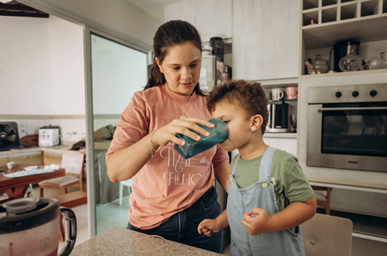
Typically, you don’t want to wait until you’re thirsty to drink water, as this is a sign you’re already dehydrated. Instead, it’s recommended to drink 6-8 glasses of water a day, spreading them out to ensure 24/7 hydration.
Do bear in mind that you might need to drink more if you’re breastfeeding, very active, ill, or in a hot space.
For children, recommended daily amounts are slightly different:
* 1-2 years old: 960ml
* 2-3 years old: 1040ml
* 4-8 years old: 1280ml
* 9-13 years old: 1520ml
Over 14-year-olds should be drinking the same amount of water as an adult (6-8 glasses).
Meal Prepping and Batch Cooking
Cooking fresh, healthy meals is undeniably tricky when you have a busy to-do list and a family to look after. Hacks that can help you serve up lots of nutritious food are meal prepping and batch cooking.
This involves cooking your meals for the week in a single batch, on a day when you’re not quite so busy. It’s fantastic if you work from home (check out our Toddle About franchising opportunity!) or have a spare few hours on a Sunday evening.
You then pop your prepared meals in the fridge or freezer, and they’re ready to go when you need them.
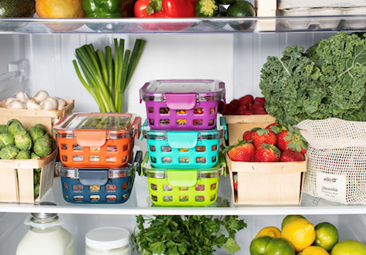
The key here is to make simple, healthy meals that you can bulk up to feed your family for multiple days. Increasing the ingredients in a bolognese, for instance, might mean you have dinner for three days instead of one. Spread this out to ensure your family don’t get bored (such as two servings of bolognese in the week, and one batch popped in the freezer).
Aside from bolognese, excellent dishes to prep in advance include:
* Soup (all kinds!)
* Chilli con carne
* Basic tomato pasta sauces (you can add a protein source on the day for a bit of variety)
* Chickpea curry
* Beef Bourguignon
* Sausage casserole
The better you are at meal prepping, the fewer jar sauces and ready meals you need to rely on.
Regular Health Appointments
When it comes to small changes to improve health, one of the most important is keeping up with regular health appointments.
Let’s start with oral health. Dental hygiene is linked to health and wellbeing across the body, from the heart to the lungs, making dental checkups vital. Make sure you’re registered with a trusted dental clinic that offers services for the whole family, like Waldron Dental.
From toddlers to teenagers, you should also book regular eye tests, scheduling appointments at least every 2 years. This is especially important for little ones, helping you identify vision problems early on before they affect their learning.

Alongside dental and eye care, don’t skip routine GP appointments. Preventative healthcare plays a huge role in long-term wellbeing and can catch small concerns early on. Whether it’s vaccinations or routine checks, keep up with those regular appointments and make a real difference to the health of your family.
Walk More and Drive Less
One of the easiest ways to improve family health is to walk instead of drive. While not every journey can be made on foot, there are plenty that can be, helping your whole family get their steps in.
Walking to school, heading to the supermarket, or taking a quick stroll after dinner are simple ways to add more movement to your family’s routine. These little walks quickly add up, too, and can improve cardiovascular health and strengthen muscles and joints, all while supporting a healthier weight.

For children with a whole lot of energy, walking is also an excellent outlet. Encourage them to skip, hop, and jump their way down the path (safely, of course), so that they’re ready to settle down when it comes to bedtime.
Another bonus is the opportunity to spend quality time together without the usual distractions of screens and household tasks. You can have proper chats, out in the fresh air, and find little moments of joy in busy days.
Staying Active on Weekends
A key tip to boost family wellbeing is to prioritise getting up and about on weekends. Even when the weather’s dreary and you’re feeling a little tired, try to incorporate some form of movement into your days off.
Here are some excellent, movement-based activities you can do with the whole family:
* Bike rides
* Walks in the woods (a great opportunity for treasure hunts!)
* Swimming sessions
* Kicking a ball about in your local park
* Gardening together
*
Scavenger hunts (check out geocaching)
Even something as simple as a dance party in your kitchen can help you all move that little bit more and make a big difference to your family's health.
Check out more ideas for outdoor adventures to get your whole family up and about on the weekend.
Prioritising Good Sleep
Sleep is absolutely vital to your health and wellbeing. Good sleep can improve your memory, boost your immune system, and reduce your risk of chronic conditions like diabetes and heart disease.
For most parents, though, getting enough quality sleep is tricky. When you’re raising a family, who has time for a good night’s rest? That’s why creating healthy sleep habits for the whole household is so important, helping you get into a rhythm that feels right for all of you.
One of the best places to start is with a consistent bedtime routine. Following the same sleep schedule regulates your circadian rhythm (body clock), making it easier to drift off and wake up feeling refreshed.
It’s also worth looking at screen time before bed. Your digital devices emit blue light, which can interfere with the body’s production of melatonin (the sleep hormone). Try a ‘screens off’ rule an hour before bedtime and replace scrolling with calmer activities, like reading and colouring.
Final Thoughts
Improving health and wellness doesn’t have to mean a total lifestyle overhaul. When you have a family to look after, it’s often the little, consistent changes that can make the biggest difference. With these tips, you can start taking steps towards a healthier life today.