Planning a Family Day Out Across Generations
A day out with grandparents, young children and perhaps another family can be a lovely way to spend time together. It also brings different walking speeds, nap times and a surprising amount of luggage into the same plan. If everyone drives separately, the group has to coordinate parking and arrival times before the outing has even begun. Thinking through the journey as carefully as the destination can make the day easier for everyone.
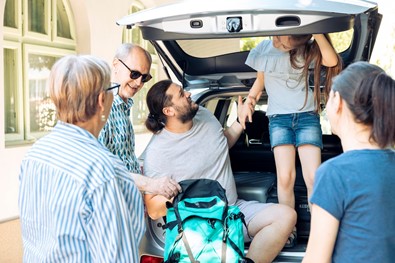
Start with the group, not the destination
Before choosing where to go, ask what the people coming along will need from the day. A toddler who usually naps after lunch, a grandparent who prefers a shorter walk and older children keen to explore can all enjoy the same outing, provided nobody has to keep up with a schedule that does not suit them. Find out who needs step-free access, somewhere to sit regularly or an easy place to feed a baby. Those answers will help narrow down both the destination and the best way to get there.
It helps to agree on one main activity rather than trying to fill every hour. A relaxed visit with time for lunch and a short wander may work better for a mixed-age group than a packed itinerary. Ask each household about any fixed commitments, then choose a departure time that does not require everyone to rush through the morning. If several parents are involved, let one person gather the essential answers and share a simple plan, so nobody has to piece it together from a long stream of messages.
Make the journey part of the plan
Several cars can be convenient when households live far apart or expect to leave at different times. For a group that wants to spend the whole day together, though, separate journeys mean coordinating routes, parking and meeting points at both ends. A shared vehicle is worth considering if those arrangements are becoming more complicated than the outing itself. Coach Hire Direct offers family coach hire as an option for groups travelling together, with minibuses and larger coaches among its vehicles.
Vehicle size should follow the actual passenger list, not a rough guess made before everyone has replied. Count adults and children, and think about what will travel with them: a folded buggy, changing bags, coats and lunch supplies can take up more space than expected. Coach Hire Direct, a family-run operator, has a fleet of minibuses and coaches. Those vehicle types provide a starting point, but the right choice depends on the group’s needs as well as its headcount.
Agree where people can realistically meet before settling the route. One pickup point may keep the journey straightforward, while a group spread across several areas may need to weigh the convenience of additional stops against the time they add. Choose a place where families can arrive without a stressful last-minute dash and where everyone will know exactly which entrance or side of the road to use. Share the agreed details with grandparents and other adults directly, rather than assuming one message will reach every household.
Check the details before you book
A useful transport enquiry describes the day from beginning to end: passenger numbers, ages of young children, proposed pickup points, destination and preferred return time. Mention anything bulky that will need to travel, including buggies, and ask how much luggage space the proposed vehicle has. If a child needs a restraint, ask what arrangements apply to that particular journey and vehicle before making plans around it. Clear information at this stage makes it easier to choose a vehicle that fits the group, rather than trying to adjust everyone’s needs afterwards.
Boarding matters as much as seating for someone who uses a wheelchair or finds steps difficult. Families should check the accessibility of the specific vehicle being considered and match their passenger’s requirements to it. Explain any mobility needs, ask about boarding arrangements and check whether the destination’s arrival point is practical for the person concerned. A short walk that looks easy on a map may feel quite different to someone pushing a buggy or managing a walking aid.
Check the destination’s arrangements separately from the transport. Find out where the group can be dropped off, how far it is to the entrance and whether there are toilets near the start of the visit. If tickets or a timed entry are involved, allow for getting everyone off the vehicle and gathering coats and bags before the booking slot. It is also worth deciding who will carry the shared essentials and who will take the lead if the group needs to call the driver or adjust a meeting time.
Choose a day that works for every age
The most successful group outing is rarely the one with the most activities. Build in a comfortable pause before anyone is hungry or tired, and identify somewhere the group can sit without needing to keep moving. Parents may want to bring familiar snacks for little children even if lunch is planned, while grandparents may appreciate knowing in advance when there will be a proper break. If the group is large, agree whether everyone will stay together throughout or split briefly into smaller groups and meet again at a set time.
Leave room for the ordinary delays that come with travelling with young children: a nappy change, a missing hat or a toddler who needs a few minutes before moving on. A loose plan can still have useful anchors, such as an arrival time, lunch and a final meeting point. Think of a smaller alternative if the weather turns or the main activity proves too tiring. That might mean spending less time outdoors or shortening the visit, rather than asking everyone to push through to the original finish time.

Keep the way home simple
The return journey deserves its own place in the plan. Agree on a meeting spot that is easy to describe and reach, then give the group a time to gather that is earlier than the planned departure. Parents need a chance to find missing belongings, settle children and make a last toilet stop without holding everyone else up. If households will be dropped off at different places, confirm the order beforehand so nobody is making decisions when the youngest passengers are tired.
It can be tempting to stretch a good day out, but an earlier finish may leave everyone with better memories than a final activity squeezed in before the journey home. Give the adults a shared contact for any change of plans, and make sure grandparents know the return arrangements without having to rely on a parent to relay them. Whether the group chooses several cars or one vehicle, the aim is the same: a day that feels enjoyable for the children and manageable for the people looking after them.