Why Doll Play Matters More Than You Might Think
Hand a toddler a doll and see what happens. Within a minute it's been fed, tucked in, told off and carried across the room by one leg. It looks like chaos, but there's a surprising amount going on underneath.
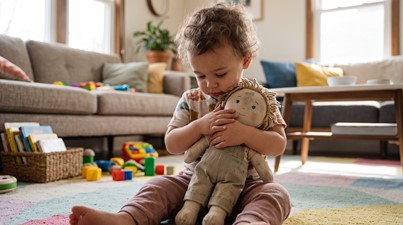
Pretend play is one of the first ways little ones practise being a person. They watch what the adults around them do, then try it out on someone who can't answer back. Cuddling, feeding, brushing hair, saying sorry. It all gets rehearsed, usually several times a day and often at volume.
You don't need a bedroom full of toys to make this work. One or two soft, easy-to-hold kids dolls will cover most of what toddlers get from this kind of play, and they tend to be the ones that get dragged around the house for years. A floppy body is easier for small hands than a rigid one, and a doll that can survive the bath, the car seat and the occasional tumble down the stairs is a keeper.
What they're actually learning
The big one is empathy. When your two-year-old pats a doll's back and says "there, there", they're copying the way they've been comforted. That's a real step. They're starting to understand that other people have feelings, even if the other person in this case is made of fabric.
Dolls are handy for big feelings too. A toddler who's had a tough morning at nursery might act it out later, with the doll getting a cross word or a long cuddle. It's not always tidy to watch, but it's a healthy way of sorting through what happened, and it often says more than they can manage in words.
Then there's the everyday stuff. Dressing and undressing a doll is brilliant practice for fine motor skills, because poppers, Velcro and tiny socks ask a lot of little fingers. Pushing a pram or carrying a doll on one hip works the bigger muscles too, along with balance and coordination. Your toddler thinks they're looking after a baby. Really, they're getting stronger and steadier.
Language comes along for the ride
Listen in next time and you'll probably hear your own phrases coming straight back at you. "Time for bed." "Careful, it's hot." "Shall we go to the park?" Doll play gives toddlers a safe place to try out new words and whole sentences, and nobody minds if they get them wrong.
You can join in without taking over. Ask what the doll's called, whether she's hungry, where she'd like to go today. Then follow your child's lead. The moment you start directing the story, it stops being theirs, and they'll usually wander off to find something else.
Adding a few extras
Once your child's got the hang of the basics, a simple doll set with a bottle, a blanket and a tiny cot gives the play more to work with. Props nudge the story along. A bottle means feeding, a cot means sleep, and suddenly there's a routine to act out, which is exactly the sort of thing toddlers love to copy from daily life.
Don't feel you have to buy everything at once, though. A tea towel makes a perfectly good blanket and a shoebox makes a decent bed. Some of the best games start with whatever's lying around the kitchen, and it keeps things open-ended, which is where the creativity comes in.
Dolls aren't just for girls
It's worth saying plainly, because the idea does still hang about. Boys get just as much out of caring play, and plenty of toddlers of every kind love it. Looking after someone, even pretend, builds patience and gentleness that's useful at every age. If your son wants to push a pram round the supermarket, let him. He's practising something he'll need one day.
A word on sharing, too. Toddlers aren't known for it, and a favourite doll is a hard thing to hand over. That's normal. Doll play gives them low-stakes practice at taking turns, whether that's passing the pram to a friend at a group or waiting while a sibling gives the baby a bottle. Praise the effort, not the result, and expect a few wobbles along the way.
A few safety bits
Check for small parts like loose eyes, buttons or hair that could come away, especially with under threes. Look for the age guidance on the label, and give any second-hand dolls a proper once-over before they go anywhere near little mouths. Soft dolls spend a lot of time on floors and in mouths, so wash them regularly too. Most can go in the machine on a cool cycle, but check the care label first.
Making space for it
Keep dolls where your toddler can reach them. A low basket or a corner of the playroom works well, and if they're always in sight they're more likely to be picked up. Rotating toys every few weeks can bring an old favourite back to life when it's been ignored for a while.
Mostly, don't overthink it. Dolls ask very little of you. A bit of floor time, a few questions, and a willingness to be told that Teddy has to wait because the baby's asleep. That's plenty, and it's often the part of the day you'll remember.