Why Active Outdoor Play Matters More Than Ever for Australian Kids
Over the past ten years, Australian children's screen use has increased steadily. Every household in the nation is familiar with the rhythm of tablets at breakfast, gaming after school, and streaming before bed. According to research from the Australian Institute of Family Studies, children aged five to twelve now spend an average of more than three hours a day on recreational screens, far more than is advised.
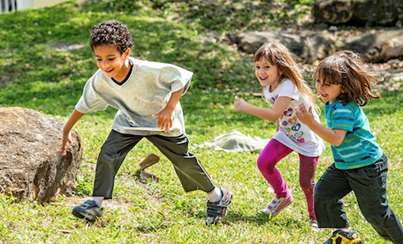
The counterbalance is simple. No software or educational program can match the benefits of getting kids outside, moving their bodies, and participating in physical play. Making outside play engaging, accessible, and reliable enough to rival the allure of electronics is a challenge for parents.
The Backyard Has Become a Play Destination
Families made significant investments in backyard play equipment after 2020, and this trend has become a long-term change. Australian backyards now typically have water play stations, swing sets, climbing walls, and elevated platforms. Natural wood treatments and multipurpose equipment that develop with the child are popular design trends in 2026.
Parents looking for equipment that encourages active outdoor play have more options than ever. From balance bikes for toddlers to cricket sets and remote-controlled vehicles for older kids, outdoor toys now span every age group and interest level.
The emphasis has shifted from single-purpose items toward equipment that invites open-ended play, where kids invent the rules themselves.
Physical Development Builds Through Unstructured Play
Unstructured outdoor play develops spatial awareness, balance, risk assessment, and creative movement, whereas structured sports teach rules and teamwork.
A toddler climbing a tree is making real-time adjustments to grip strength, weight distribution, and distance. Without realizing it, children riding scooters improve coordination and response time.
Australian research from Griffith University found that children who spend regular time in outdoor play environments show stronger gross motor development and fewer behavioural difficulties compared to peers with limited outdoor access. The key is variety, including different surfaces, different equipment, and different physical challenges that keep kids adapting.
Nature Play Supports Emotional Regulation
For young children, natural materials like sand, water, dirt, twigs, and leaves are inexpensive and engaging. Nature play has long been recognised as an important part of childhood development and continues to provide measurable benefits. Engaging with natural textures can help children feel calmer and more focused by supporting sensory regulation.
A 2025 study published by Beyond Blue highlighted that children with regular access to outdoor nature play showed measurably lower stress hormone levels than those whose play was primarily indoors.
Spending time outdoors in natural environments is a useful and accessible approach for children who have difficulty regulating emotions or processing sensory input.
Social Skills Develop Faster Outdoors
Indoor play often ends up being side by side rather than truly shared, with two kids in the same room but each focused on their own screen. Outdoor play is different. It naturally draws kids to interact with each other. Building a cubby house means working things out. A game of tag requires communication. Riding bikes together takes awareness of everyone around them.
These moments teach skills that do not come from structured activities alone. Kids learn how to handle disagreements, take turns, and understand how others feel in real time. They pick up on body language and figure things out as they go.
Those experiences carry over into school, friendships, and broader social development. Simple outdoor spaces such as the backyard, the park, or the beach still offer some of the best opportunities for kids to build real social skills without realizing they are learning.
Sunlight and Fresh Air Drive Better Sleep Patterns
Circadian rhythm, the internal clock that controls sleep and wake cycles, is influenced by exposure to morning sunlight.
Children who spend time outside in the morning are more likely to fall asleep faster, sleep more soundly, and wake feeling more settled. The Sleep Health Foundation recommends at least 30 minutes of outdoor morning light for children to support healthy sleep patterns.
In contrast to the wired exhaustion that results from prolonged screen time, physical exertion during outdoor play produces genuine tiredness that supports restful sleep. Within weeks, many parents who incorporate outdoor play into a morning routine report improvements in their children’s evening behaviour and sleep quality.
Making Outdoor Play a Daily Habit
Consistency matters more than duration. Fifteen minutes of outdoor play each day is more effective than a long session every few weeks. The key is making it easy. Keep shoes by the door, bikes ready to grab, and a ball within reach so heading outside feels natural.
If you do not have a backyard, it is not a problem. Parks, playgrounds, nature spots, or even a quiet footpath for a scooter ride can provide the same benefits. It is less about the space and more about getting outside regularly.
When outdoor play becomes part of a daily routine, it tends to stick. Kids who grow up with that habit often carry it into later life. It builds confidence, supports physical health, and helps them become more comfortable navigating the world around them.
Make Outside the Default
Outdoor play does not need to be complicated to be effective. Get children outside, keep it consistent, and let them play. The benefits build steadily over time, including stronger bodies, better sleep, and more developed social skills. Making outdoor play the default rather than the exception creates a foundation that supports long-term wellbeing.