When to Take Your Child to the Dentist for the First Time
Understanding when to take your child to the dentist for the first time is crucial for establishing good oral health habits early on. The timing of this first visit can set the stage for a lifetime of healthy teeth and gums, and help prevent future dental issues.
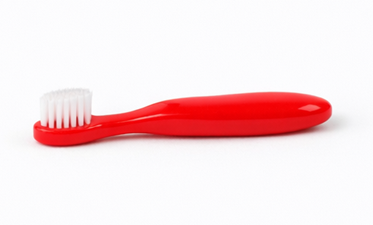
Many parents wonder about the right age to introduce their child to a dental professional. The general recommendation is to schedule a visit by the time the child turns one year old or within six months of the first tooth emerging. This early introduction to a dentist in Richmond can help ensure that any potential issues are identified and addressed promptly, fostering a positive relationship with dental care from a young age.
Why early dental visits are important
Early dental visits are vital for several reasons. They allow the dentist to monitor the development of your child's teeth and jaw, ensuring everything is progressing normally. These visits also provide an opportunity to educate parents about proper oral hygiene practices for infants and toddlers, which can prevent cavities and other dental problems.
Additionally, early visits help children become accustomed to the dental environment, reducing anxiety and fear associated with dental appointments. This familiarity can lead to more cooperative behaviour during future visits, making dental care a less stressful experience for both children and parents.
Another significant benefit of early dental visits is the opportunity for preventive care and early intervention. During these appointments, dental professionals can apply protective treatments such as fluoride varnish to strengthen tooth enamel and make teeth more resistant to decay. They can also identify risk factors specific to your child, such as thumb-sucking habits or bottle feeding practices that might affect dental development. By catching potential problems early, you can avoid more complex and costly treatments down the line, while ensuring your child maintains optimal oral health throughout their developmental years.
What to expect during the first dental visit
The first dental visit is usually brief and involves a gentle examination of your child's mouth. The dentist will check for any signs of decay, assess the alignment of the teeth, and look for any potential issues with the gums or oral tissues. This initial assessment helps in creating a baseline for future dental health monitoring.
The dentist will also discuss oral hygiene practices with you, offering guidance on brushing techniques, fluoride use, and dietary considerations that can impact dental health. This is an excellent opportunity to ask any questions you may have about your child's oral care and to receive professional advice tailored to your child's specific needs.
Preparing your child for their first dental visit
Preparing your child for their first dental visit can help make the experience more positive. Talk to your child about what to expect, using simple and reassuring language. Reading books about going to the dentist or playing pretend dentist games can also help familiarise them with the process.
It's important to schedule the appointment at a time when your child is usually well-rested and in a good mood. Bringing along a favourite toy or comfort item can provide additional reassurance. By approaching the visit with a calm and positive attitude, you can help your child feel more at ease.
Maintaining good oral health habits at home
Establishing good oral health habits at home is essential for maintaining your child's dental health between visits. Begin cleaning your child's teeth as soon as the first tooth appears, using a soft-bristled toothbrush and a small amount of fluoride toothpaste.
Encourage healthy eating habits by limiting sugary snacks and drinks, which can contribute to tooth decay. Regularly check your child's teeth for any signs of decay or other issues, and continue to reinforce the importance of brushing and flossing as they grow older. By instilling these habits early, you can help ensure your child enjoys a lifetime of healthy smiles.