When Do Baby Teeth Matter? (Spoiler: Right From the Start)
It’s a question many parents quietly wonder about: do baby teeth really matter if they’re only going to fall out anyway? The short answer is yes - and they matter far earlier than most people realise.
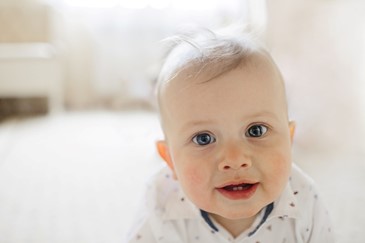
Baby teeth start developing long before your child’s first birthday, even before birth. By the time that first tiny tooth appears, usually around six months, it already has an important role to play in your child’s growth, comfort, and development.
More Than Just a Temporary Smile
It’s easy to think of baby teeth as “practice teeth,” but they’re actually doing some very serious work. They help children learn how to chew properly, which supports healthy eating habits and digestion. They also play a big part in speech development, helping little ones form sounds and words clearly as they begin talking.
Perhaps most importantly, baby teeth act as placeholders for adult teeth. Each baby tooth holds space in the jaw, guiding adult teeth into the correct position later on. When baby teeth are lost too early due to decay or damage, neighbouring teeth can drift into the gap — sometimes leading to crowding or alignment issues in the future.
Dental Health Starts Earlier Than You Think
Tooth decay can affect baby teeth just as easily as adult teeth, and it can develop quickly. Because the enamel on baby teeth is thinner, problems can progress faster and cause pain, infection, or difficulty eating and sleeping.
That’s why early oral care really matters. Gentle brushing as soon as the first tooth appears, limiting sugary snacks and drinks, and regular dental check-ups all help set the foundation for lifelong oral health.
Many parents find it reassuring to learn more about why baby teeth play such a crucial role, especially in those early years when routines are still forming.
Building Confidence and Healthy Habits
Healthy baby teeth aren’t just about physical health, they also support emotional wellbeing. Tooth pain can affect mood, sleep, and confidence, particularly as children grow older and become more aware of their appearance.
Starting positive dental habits early helps children feel comfortable with brushing, dental visits, and self-care. These routines often carry through into adulthood, making it far less likely that they’ll experience dental anxiety or avoid check-ups later in life.
So, When Do Baby Teeth Matter?
The answer really is: from the very beginning. From feeding and speaking to smiling and growing, baby teeth quietly support so many aspects of early childhood. Looking after them isn’t about perfection, it’s about giving your child the best possible start.
If there’s one takeaway for parents, it’s this: caring for baby teeth isn’t optional or something to worry about “later on.” It’s a small daily habit that can make a big difference for years to come.