What Your House Survey Can't Tell You About Child Safety
Buying a new home is a major step for any family, and getting a professional report on the property's condition is an essential part of the process. You want to know if there's damp in the walls or if the roof needs repairs before you exchange contracts.
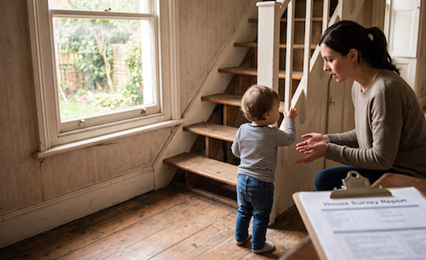
A standard property report, though, won't tell you whether the building is safe for a toddler or a crawling baby. Knowing why these reports skip child safety helps you protect your little ones during viewings. Continue reading to learn what your survey misses and how to spot the risks yourself.
Structural Defects Versus Daily Hazards
A RICS survey focuses on the condition of a building. The surveyor looks for serious issues like subsidence, dry rot and damp to protect your financial investment. They give a visual assessment of the electrics too, but they don't test the wiring, so if it looks old they'll simply suggest you get an electrician to check it.
This means they don't cover things that pose a direct threat to a child. A surveyor notes whether a staircase is structurally stable, but they won't tell you how it works for a small child. They report on condition, not on how your family will actually live in the space.
To get a complete picture of your potential home, you need to combine the structural report with legal checks. Many buyers line up their legal work early so it runs alongside the survey. If possible, you should handle the conveyancing side through an experienced provider like SAM Conveyancing. This will keep the paperwork moving while you focus on the practical layout of the house.
Hidden Dangers in the Garden Layout
The garden is a major selling point for families, but it can contain risks that a surveyor won't flag. An unfenced pond is a perfect example. While it looks beautiful during a summer viewing, it's a significant hazard for a toddler, yet a survey simply lists it as an external feature.
You must also check boundary fences and gates. A surveyor looks at whether a wall is leaning, but they don't care if the latch is low enough for a child to open. Gardens backing onto busy roads need extra attention during your walkthrough.
Look at the changes in levels across the outdoor space. Raised decking with low railings or steep concrete steps might not break any building regulations, but they present a real fall risk. Examine these areas carefully instead of assuming the official report covers outdoor safety.
What to Check Inside the Property
Inside the house, windows and stairs need the closest inspection. Many older properties have low windows without safety restrictors, meaning a child could easily push them open. A surveyor will check whether the window frames are rotten, but they won't test how far the glass opens.
Balconies and internal railings are another area where structural safety and child safety diverge. A balcony railing might be perfectly solid, but the design still matters. In homes where young children live, building regulations say guarding shouldn't be easy to climb, and horizontal bars are discouraged because they act like a ladder. Older properties don't always follow this, so it's worth a close look. It's easy to overlook these details when you're distracted by modern kitchens or spacious bedrooms.
The good news is that you can fix many internal hazards with minor adjustments after you move in. Here are some common safety issues that are easy to resolve with basic childproofing products:
* Screw-fit safety gates at the top and bottom of the stairs.
* Window restrictors for low or easily opened windows.
* Adhesive corner protectors for sharp kitchen worktops.
* Safety latches on low kitchen cupboards and drawers.
Outlet covers aren't on this list on purpose. UK sockets already have built-in shutters, and safety bodies like RoSPA advise against plastic plug-in covers, which can do more harm than good.
How to Separate Simple Fixes From Expensive Changes
When evaluating a property, separate temporary hazards from permanent design features. Adding window restrictors or cupboard locks takes very little time and money. These minor issues shouldn't stop you buying a house you love.
Some hazards, though, are baked into the design of the building. Replacing an old staircase or rebuilding a low balcony wall can cost thousands of pounds. If a garden has a steep drop that needs expensive retaining walls and high fences, you need to factor those costs into your budget.
Remember that legal conveyancing searches will tell you about local planning risks or flood zones, but they won't help with internal layouts. Use your own judgment during the second viewing to decide whether the house can adapt to your family's needs.
The Key Takeaways
A professional property report is an invaluable tool for understanding the physical state of a building. It gives you the power to negotiate on price if the roof is leaking or the walls are damp. But it's your responsibility to look at the property through the eyes of a child.
By keeping a sharp eye out for open stairs, low windows and garden water features, you can spot the dangers before they cause an accident. Take your time during viewings, take measurements, and plan your childproofing well before moving day arrives.