What to Ask Kids Clothing Manufacturers About Fabric Standards
Running any boutique or store for a retail brand implies mastering your fabric standards. This is critical for purchasing apparel. Your brand protection and customer trust maintenance depend on your ability to ask proper questions, which include fabric quality, safety, and compliance inquiries when dealing with wholesale children's boutique clothing suppliers or direct kids clothing manufacturers.
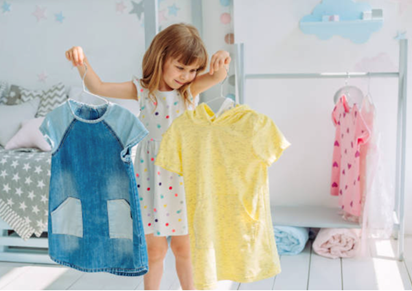
In this guide, we shall be screening some of the vital questions one should ask before signing any production deal.
Why Fabric Standards Matter in Kids Clothing
The skin of children has greater sensitivity than the skin of adults. The choice of fabric must meet both quality standards and safety requirements because it consists of materials that will touch children's skin. The established fabric standards must be followed by dependable kids' clothing manufacturers because they use these standards to create products that combine comfort and durability while meeting global safety standards.
Boutique owners need to confirm these standards when they work with wholesale children's clothing suppliers because this process helps them prevent returns, complaints, and legal problems.
1. What Types of Fabrics Do You Use?
What should be asked to get direct access to the large sender?
* Are materials natural, like cotton, bamboo fiber, etc., or synthetic, like polyester, nylon, etc?
* By any chance, is there any fabric that is eco-friendly or organic?
* Are blends used for durability or stretch?
The advantages and differences in the fibres will be very well brought out by upper-hand high-class manufacturers that make kids' clothing, most especially in relation to product lines.
2. Are Your Fabrics Certified?
Certifications are a strong indicator of safety and quality. When dealing with wholesale children's boutique clothing suppliers, always ask.
* Do your fabrics meet OEKO-TEX® standards?
* Are they GOTS Global Organic Textile Standard certified?
* Do they comply with the CPSIA Consumer Product Safety Improvement Act?
For babies' and children's clothing products, these elements generate lots of business for brands that care about the environment.
3. How Do You Test Fabric Quality?
Testing procedures separate reliable kids' clothing manufacturers from average ones. Ask about:
* Shrinkage testing
* Colorfastness does the color fade after washing?
* Durability under repeated wear and washing
* Pilling resistance
A dependable manufacturer must present test results or describe its quality control mechanisms at length.
4. Are the Fabrics Safe for Sensitive Skin?
The skin of children needs protection through safe fabric materials. Ask:
* Do their fabrics show hypoallergenic properties?
* Are they tainted with harmful dyes or chemicals?
* Are they free from formaldehyde and heavy metals?
Creating priority of skin-friendly materials, the superior wholesale fashion merchandise for children's boutiques can lessen the risks of skin irritations or allergies.
5. What Is the Fabric GSM (Grams per Square Meter)?
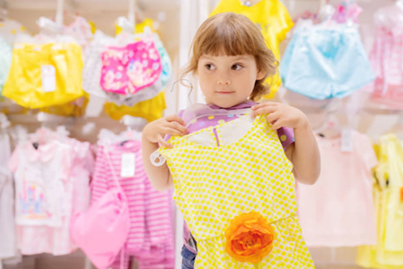
GSM provides information about both fabric weight and fabric thickness.
* For summer clothes, light fabrics 120 to 150 GSM are perfect.
* Fabric weights avoid the extremes because 150–200 GSM is not too heavy yet not too thin.
* Heavy fabrics 200+ GSM function as appropriate materials for creating winter clothing.
The understanding of GSM enables you to verify that your selected kids' clothing manufacturers produce clothes that match seasonal requirements.
6. Can You Provide Fabric Samples?
Do not miss this point at all. It is essential to take permission for the fabric samples before making a bulk order with wholesale children's boutique clothing suppliers. This allows you to:
* Feel the texture and softness
* Check stretch and flexibility
* Test durability yourself
Exemplars and samples would really help you to get an idea about the cost and quality of the product.
7. How Sustainable Are Your Fabric Practices?
People now use sustainability as their main basis for deciding which products to buy. Therefore, ask children's clothes manufacturers.
* Do you use eco-friendly dyes?
* Are your fabrics sourced responsibly?
* Do you minimize waste during production?
The environment receives protection from your business when you choose sustainable wholesale children's boutique clothing suppliers, which helps to improve your brand image.
8. What Is Your Fabric Sourcing Process?
Transparency is key. Reliable kids' clothing manufacturers should clearly explain:
* Where the fabric is sourced from
* Whether it’s locally or internationally procured
* How suppliers are vetted
This ensures absolute ethical sourcing and standard quality compliance standards.
9. How Do You Ensure Your Compliance Standard with International Markets?
In case you plan on going global, it is important that the manufacturers of kids' wear meet the international standards.
* US safety regulations (CPSIA)
* EU REACH compliance
* UK safety standards
The regulatory compliance process assists in obtaining legal access to markets in various regions without facing any legal hindrance.
Final Thoughts
The process of selecting appropriate wholesale children's boutique clothing suppliers and kids clothing manufacturers requires evaluators to assess more than their pricing and design capabilities. The standards of fabric materials determine how well products perform, how happy customers will be, and how much customers will trust the brand.
The correct questions about fabric types and certifications, testing methods, and sustainability should be asked to create partnerships with manufacturers who share your business objectives. You must establish safety and transparency as your primary business requirements for building a trustworthy children's clothing brand that needs to fulfill all quality standards.