What is the Physical Side of Raising Young Children?
Having young children can be exhausting, even on days when nothing particularly unusual happens. Between carrying little ones, bending down to pick up toys, pushing a buggy, and spending time on the floor playing, parents put their bodies through a surprising amount of physical activity.
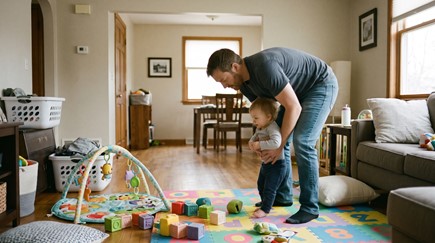
While much of the attention surrounding early parenthood focuses on emotional wellbeing, sleep deprivation, and how demanding childcare can be, the physical side deserves consideration too. Everyday parenting involves plenty of repetitive movements, and these can take their toll on muscles and joints over time. Here’s what you need to know.
The Physical Demands of Everyday Parenting
Looking after a baby or toddler rarely involves staying in one position for very long. Parents regularly lift children into cots, carry them upstairs, bend over changing tables and crouch down to help with shoes or coats. These movements might seem insignificant individually, but repeating them throughout the day can leave certain parts of the body feeling uncomfortable. The lower back, shoulders, neck and wrists are particularly involved in many everyday childcare activities.
What’s more, carrying a toddler on one hip can place you in an uneven posture, while repeatedly bending forwards to lift toys or pick up children can place additional strain on the back. Even pushing a buggy for extended periods can contribute to shoulder and upper-body discomfort, particularly when the handle height is unsuitable.
For parents already experiencing aches or limited mobility, professional support may be worth considering. Home physiotherapy in London offers an opportunity to receive treatment in familiar surroundings without having to arrange additional childcare or travel to a clinic.
Finding Better Ways to Move
It is not realistic to expect parents to avoid lifting, bending or carrying altogether. These movements are simply part of looking after young children. However, making a few adjustments can help reduce unnecessary strain.
When lifting a child, keeping them close to the body and bending through the hips and knees can make the movement more comfortable. Parents can also try alternating sides when carrying their little ones rather than always relying on the same arm or hip. Setting up changing areas at a comfortable height and avoiding awkward twisting movements can also make a difference. Where possible, taking short breaks from repetitive activities gives the body an opportunity to move differently.
Making Time for Your Own Physical Wellbeing
When children need constant attention, finding time for personal health can feel like another impossible task. However, looking after physical wellbeing does not necessarily mean committing to lengthy gym sessions or complicated exercise routines. Gentle stretching, walking, and exercises that improve strength and mobility can all form part of a manageable routine. The important thing is to choose activities that suit current fitness levels and any existing physical limitations.
Parents experiencing persistent discomfort should not feel they simply have to put up with it. A physiotherapist can assess movement, identify potential problems and recommend exercises or practical adjustments to help.
Physiotherapy That Fits Around Family Life
Attending appointments can be difficult when childcare arrangements, work commitments and family routines already fill most of the day. Home-based treatment offers another option for parents who would find it easier to receive professional support without travelling. It also provides an opportunity to discuss the physical challenges associated with everyday activities and explore suitable ways to manage them.
Raising young children will always involve a certain amount of physical effort, but parents should not overlook their own comfort and mobility in the process. Making small changes, staying active, and seeking advice when needed can help make the demands of family life easier to manage.