What Are the Best Ways to Create Calm Zones in Busy Family Homes?
Busy family homes often feel like they are constantly in motion. Between school routines, remote work, social activities, and daily responsibilities, it becomes difficult to find moments of quiet. Creating calm zones inside the home is not about adding more space, but about using existing space more intentionally so that rest and focus become part of everyday life.
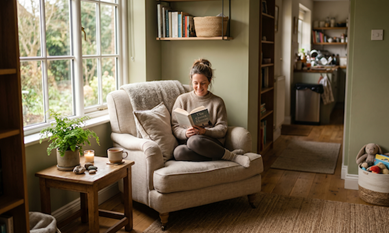
A calm zone is any defined area that signals to the brain that it is time to slow down. It can be small, simple, and flexible, but it should consistently support relaxation and mental reset.
Understanding what makes a space feel calm
Calm is not only visual. It is a combination of lighting, noise levels, texture, and function. In busy homes, overstimulation often comes from too many competing elements in one room.
A calm zone works best when it reduces stimulation rather than adds decoration. Soft lighting, minimal clutter, and a clear purpose help create a sense of separation from the rest of the home environment.
Even a corner of a living room or bedroom can become a calm zone if it is intentionally designed.
Using flexible spaces instead of fixed rooms
Many modern homes do not have extra rooms available, especially for families. Instead of dedicating an entire room, calm zones can be created through flexible design choices.
A reading chair placed near a window, a small meditation corner, or a quiet workspace can all serve different family members at different times of day. The key is that the space is not overused for multiple loud or distracting activities.
This flexibility allows calm zones to adapt as children grow and family needs change.
Managing sound to reduce mental load
Noise is one of the biggest barriers to calm in family homes. Even background sounds like televisions or constant device use can prevent proper rest.
Simple sound management strategies can make a major difference. Soft furnishings such as rugs, curtains, and cushions naturally reduce echo. Creating quiet time rules during certain hours of the day can also help establish predictable moments of calm.
In some homes, families designate specific quiet corners where devices are not allowed, helping reinforce the purpose of the space.
Lighting as a tool for relaxation
Lighting has a direct impact on how a space feels. Bright overhead lighting often signals activity, while softer, warmer lighting encourages relaxation.
Using table lamps, floor lamps, or indirect lighting helps transform a space into a calm zone. Natural light is also important, especially in morning or evening hours when it is softer and less harsh.
Dimmable lighting can be particularly effective in multi use family homes, allowing the same space to shift between active and calm moods.
Introducing sensory separation in shared homes
In busy households, calm zones are often not fully separate rooms but defined sensory areas. This means using visual cues to signal different functions.
A soft rug can define a reading area. A different wall color or texture can visually separate a corner. Even small changes like plants or shelving can help the brain recognize a shift in environment.
These subtle boundaries are often more effective than physical walls in compact homes.
The role of wellness spaces in family calm
Wellness focused design is becoming more common in family homes because it encourages shared relaxation habits. Even small additions like breathing spaces, meditation corners, or warm seating areas can create meaningful pauses in the day.
Some families extend this idea further by integrating wellness features into their homes. In larger properties or outdoor areas, a hybrid sauna can become part of a broader calm environment, supporting both physical relaxation and mental recovery. While not essential for every home, it reflects a growing interest in blending wellness with daily living spaces.
Reducing visual clutter for mental clarity
Visual overload contributes heavily to stress in family homes. Toys, papers, electronics, and everyday items can quickly accumulate and make spaces feel chaotic.
Calm zones should prioritise simplicity. This does not mean minimalism in a strict sense, but rather intentional organisation. Closed storage, baskets, and hidden shelving help keep surfaces clear.
When the eye has fewer places to rest, the mind naturally follows.
Creating routine based calm moments
Calm zones are most effective when they are used consistently. Families benefit from creating small routines around these spaces.
For example, morning coffee in a quiet corner, reading before bed in a specific chair, or short evening breaks in a designated area can reinforce the idea that calm is part of daily life rather than an occasional escape.
Children also respond well to predictable calm routines, especially when the environment supports it visually and functionally.
Outdoor calm zones as an extension of the home
If space allows, outdoor areas can become some of the most effective calm zones. Gardens, balconies, or terraces provide natural separation from indoor activity.
Simple additions like seating, plants, and soft lighting can transform these spaces into quiet retreats. Outdoor calm zones are especially valuable in busy homes because they offer physical distance from daily noise.
Even small outdoor corners can have a strong psychological impact when used regularly.
Final thoughts
Creating calm zones is not about redesigning the entire home. It is about making intentional choices that reduce stimulation and support rest within the spaces already available.
Through thoughtful lighting, sound control, flexible design, and consistent routines, even the busiest family home can include areas of genuine calm.
When these zones are used regularly, they help balance daily stress and create a more grounded and comfortable living environment for everyone in the household.