Ways to City Hop in Europe with Kids
Europe's dense network of cities, short distances and excellent public transport make it one of the most rewarding parts of the world to explore with children. With a little planning, moving between destinations can feel like part of the adventure instead of a logistical headache, and the rewards of watching kids discover a new city every few days are well worth the effort.
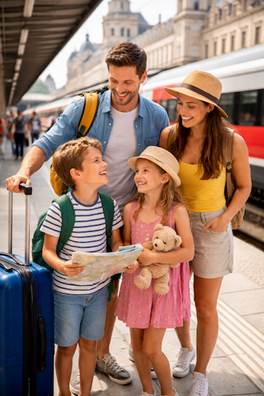
1. Travelling by train between European cities
Rail is the natural choice for families city-hopping across Europe. European rail passenger transport reached a record high in 2024, rising 5.8% to 443 billion passenger-kilometres, reflecting just how many travellers are choosing trains over planes for shorter journeys. It is easy to see why: trains depart from central stations, eliminating the need for airport transfers, and carriages offer far more space to move around than a cabin seat allows. Families exploring Europe through slow travel and scenic rail holidays across the continent benefit from journeys that double as sightseeing opportunities, with routes through Alpine passes, river valleys, and coastal edges that keep children genuinely entertained.
2. Choosing kid-friendly city pairings
Shorter legs between cities make a significant difference when travelling with young children. Routes such as Amsterdam to Brussels, Barcelona to Valencia, or Prague to Vienna keep travel time to two or three hours, which is manageable even for easily bored passengers. Besides distance, consider whether the cities share a compatible pace and character, since a mix of outdoor parks, interactive museums, and walkable old towns keeps itineraries varied without overwhelming younger travellers. Reliable, frequent rail connections between paired cities also reduce the stress of missed trains and tight changeovers.
3. Planning accommodation for city-hopping families
Standard hotel rooms rarely suit families travelling with children, particularly those spending a week or more moving between destinations. Serviced apartments and aparthotels are worth prioritising, as they provide space to spread out, kitchen facilities that reduce meal costs, and a more settled base for tired arrivals. Staying close to the main train station in each city shortens the journey between check-in and departure, which matters more than it might seem after a long travel day with heavy bags and fractious children.
4. Keeping kids engaged between destinations
Travel days work best when children are given ownership of them. A small bag of new activities, like a drawing pad, a simple card game, or downloaded audiobooks, kept for journeys only makes screen-free travel more appealing. Building in regular breaks, dedicated snack stops, and unhurried itineraries helps children experience travel as enjoyable rather than exhausting. Overnight train journeys, where available, can turn a long leg into a highlight as children almost universally find sleeping on a moving train memorable, and it saves the cost and disruption of an extra night's accommodation.
City hopping in Europe with children is one of those holidays that takes a little more thought to plan but pays back generously in shared experiences. With the right city pairings, comfortable accommodation, and train journeys that earn their keep as part of the adventure, it is entirely possible to travel slowly, see more, and still come home with children who want to go back.