Touring With Toddlers: Is a Second-Hand Caravan Cheaper Than a Holiday Park?
If you've ever tried to book a half-term week at a holiday park with a two-year-old, you'll know the feeling. You find the perfect spot and add the dates. Then you watch the price climb past £1,000 before you've even picked a caravan grade. It's enough to make you wonder whether owning your own van might work out cheaper.
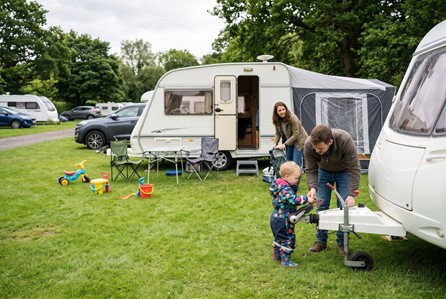
It can. But not always, and not straight away. We've crunched the numbers so you don't have to.
What a Holiday Park Week Really Costs
Big-name operators like Haven, Parkdean Resorts and Butlin's have made family breaks very easy. You turn up, unlock the door, and the beds are already made. That convenience comes at a price, though.
Peak Season Pricing
A seven-night stay in a three-bedroom static caravan during the August school holidays can easily cost £900 to £1,500. It depends on the park and the grade of accommodation. Then come the extras: entertainment passes, swimming pool slots, the inevitable arcade tokens and a few takeaway dinners because nobody can face cooking. A family of four could add another £200 to £300 without trying.
Go out of season and prices fall sharply, sometimes to £300 or less for a midweek break in March. Parents of pre-schoolers have a real advantage here, since term dates don't apply yet.
The True Cost of Buying Second-Hand
Owning a caravan flips the model. You pay a lump sum upfront, then much smaller amounts each time you go away.
The Upfront Price
A ten-year-old four-berth tourer from a well-known manufacturer such as Bailey, Swift or Elddis typically sells for between £6,000 and £10,000. Older vans can be found for under £4,000, though you'll want to check them carefully for damp. Browsing used touring caravans for sale gives you a good sense of what your budget will stretch to, and whether a fixed bed or bunk layout suits your family best.
Running Costs
This is where people get caught out. Budget for the following each year:
Storage: £400 to £800 a year if you can't keep it on your drive
Insurance: roughly £150 to £300
Annual service and habitation check: around £200 to £250
Pitch fees: £25 to £45 a night on most UK sites in summer
Tow bar and electrics: £500 to £900 as a one-off, if your car doesn't already have them
You'll also need to check your licence. Drivers who passed their test after 1 January 1997 used to face extra towing restrictions. Rule changes in 2021 mean most people can now tow a caravan on a standard car licence.
Doing the Maths Over Three Years
Let's take a typical example. Say you buy an £8,000 caravan and take three week-long trips a year, plus a handful of weekends.
Your yearly running costs, covering storage, insurance, servicing and around 30 nights of pitch fees, might come to £2,000. Over three years, that's £6,000. Add depreciation of perhaps £2,000 (well-kept tourers hold their value surprisingly well) and you've spent roughly £8,000 in total.
Now compare that with holiday parks. Three peak weeks a year at £1,200 each, plus extras, would cost about £12,000 over the same period. That's a saving of around £4,000 for the caravan owners.
If you only go away once a year, though, the sums look very different. The park almost certainly wins.
Why Toddlers Change the Equation
Money isn't the only factor. Small children come with their own priorities, and some of them favour owning.
Routine, Naps and Familiar Beds
Toddlers thrive on familiarity. A caravan set up the same way every trip, with the same bedding, the same night light and the same spot for the potty, can make bedtimes far less of a battle. Plenty of parents swear their little ones settle faster in "their" caravan than in a different rental every time.
The Downsides
Still, towing isn't for everyone. Packing, hitching and pitching all take time, and doing it while a tired three-year-old asks for snacks would test anyone's patience. Holiday parks also have soft play, splash zones and kids' clubs right on the doorstep, which counts for a lot when it's raining in Pembrokeshire.
So, Which Is Cheaper?
For families who travel often, a second-hand caravan usually comes out ahead within two to three years. You get more flexibility too. Fancy a last-minute weekend in the Lake District because the forecast looks good? There are no booking fees and no minimum stays.
If you only manage one summer break, stick with the holiday park and enjoy the convenience.
Our advice? Try before you buy. Hire a tourer for a long weekend, or borrow one from a friend, and see how your toddler copes. You'll learn more in three days than from any spreadsheet. And if it clicks, you might just have found your family's new favourite way to holiday.