Thoughtful Gifts New Parents Will Actually Appreciate
A new baby tends to attract an impressive collection of tiny clothes, soft toys and blankets. Meanwhile, the adults responsible for feeds, nappies and broken sleep can disappear into the background. A useful gift brings them back into the picture. It does not need to be elaborate; it simply needs to suit life as it is now.
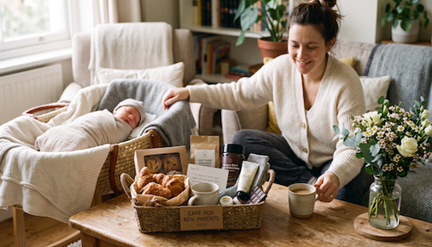
Delivery is often kinder than an unexpected visit, particularly during the first few weeks. Choosing thoughtful gifts for new parents from Udora makes it possible to mark the new arrival with flowers, food or small treats without asking the parents to host anyone. Before arranging a delivery, check that they will be at home and ask whether there are any dietary requirements, allergies or building instructions to consider.
Food they do not have to prepare
Meals are one of the most practical gifts for new parents, but they need to be genuinely easy to eat. A dish that requires an hour in the oven, several pans or complicated serving instructions is not quite the shortcut it first appears.
Choose food that can be reheated quickly, divided into portions or eaten with one hand. Breakfast items are particularly useful because most offers of help focus on dinner. A basket containing fruit, pastries, tea, coffee or simple snacks can make an early start feel less bleak.
If you are sending cake or sweets, think about quantity. A modest box may be more manageable than a large hamper filled with products the family cannot finish. Check dietary preferences rather than guessing. New parents may be avoiding certain ingredients for medical, religious or personal reasons, and these choices should not become a topic for debate.
Homemade food can be lovely when you know the family well. Label the container, include storage instructions and make it clear that nothing needs to be returned promptly. A meal is less helpful if it comes with a casserole dish they must wash, remember and deliver back.
Flowers without creating another job
Flowers can brighten a home after days spent moving between the bedroom, sofa and changing table. They also acknowledge the occasion without adding to the supply of baby equipment.
The easiest arrangements arrive ready to display or need only a quick trim before going into water. If the parents do not own a suitable vase, include one or choose flowers presented in a container. Avoid enormous bouquets that require rearranging or take up most of the kitchen worktop.
Fragrance deserves some thought. Strongly scented flowers may be unwelcome in a small flat, particularly if anyone in the household is sensitive to perfume. Homes with cats or dogs require extra care too, as some plants and flowers can be harmful to pets. When in doubt, ask or select a different type of gift.
A low-maintenance houseplant can last longer than cut flowers, but only if the recipient already enjoys caring for plants. New parents have enough living things demanding their attention. This is not the moment to present them with a delicate specimen and a page of watering instructions.
A care package for the adults
A useful care package should fit into short, unpredictable pockets of time. A face mask that needs forty-five quiet minutes and a carefully prepared bathroom may remain unopened for months. A good hand cream, lip balm or gentle body product is easier to use between everyday tasks.
Be cautious with heavily fragranced skincare and products containing strong active ingredients. Pregnancy and the postnatal period can change skin sensitivity, and some parents follow specific routines on medical advice. Unless you know exactly what they use, simple products are a safer choice.
Comfort matters as much as beauty. A soft pair of socks, an insulated cup or a generous water bottle may not look glamorous, but each can improve a tiring day. The best gifts often solve a small, repeated inconvenience.
Try not to frame the package as a demand for the parent to “bounce back”, relax properly or return to their old routine. They may not have the time or desire to do any of those things. A present should offer comfort without setting another expectation.
Something specifically for the non-birthing parent
Friends and relatives often direct their attention towards the baby and the person who gave birth. A partner or co-parent may receive very little acknowledgement, even though their routines have changed too.
Their gift does not have to match the other parent’s. Think about what would make their days easier or mark the significance of the occasion. Favourite snacks, coffee, a small keepsake or something linked to a hobby can show that they have not been overlooked.
A short message matters here. Congratulating both parents and recognising the work they are doing creates a warmer gesture than addressing the whole parcel only to the baby.
For single parents, practical support can be especially valuable, but avoid making assumptions about what they need. Offer a clear choice rather than a vague promise: a delivered lunch, a supermarket run or an hour of help on a particular afternoon.
Gifts that preserve a memory
The first weeks can pass in a blur. A gift that helps preserve a small part of this period may be appreciated later, even if it does not seem urgent now.
A simple photo frame, memory box or notebook gives parents somewhere to keep hospital tags, cards and early photographs. It should not require them to document every feed, milestone and emotion. Elaborate baby journals can become another unfinished task.
Personalised items work best when details have been checked carefully. Confirm the baby’s name and spelling rather than relying on a social media post or second-hand message. Some families wait before announcing a name, and others may not want birth information displayed on objects around the home.
You can also write a letter for the child to read in the future. Describe the day you heard the news, what their parents mean to you or the hopes you have for their family. It costs very little and is unlikely to be duplicated by another visitor.
Remember older siblings
When a new baby arrives, older children may see a stream of visitors carrying gifts that are not for them. A small acknowledgement can make the transition easier.
This does not need to be a large present. A book, puzzle, craft activity or favourite snack is enough to show that they remain part of the celebration. If you know the child well, invite them to help open the family gift or arrange the flowers.
Avoid referring to them only as a “big helper”. They may be proud of their new role, but they are also adjusting to less attention and a changed routine. A gift chosen for their own interests, rather than their usefulness around the baby, recognises them as an individual.
Practical help should be specific
“Let me know if you need anything” is kindly meant, but it places the work of asking and organising on tired parents. A specific offer is easier to accept or decline.
You might offer to leave dinner at the door on Tuesday, collect a prescription, walk the dog or take an older child to the park. Give the parents an option and a time, while making it clear that saying no is completely fine.
Respectful help does not involve arriving early, staying for hours or expecting to hold the baby while somebody else cleans. If you visit, look for the task that reduces work: make the tea, load the dishwasher or take your own cup to the kitchen.
Time the gift around the family, not the announcement
Many presents arrive during the first few days. Support often drops away once the initial excitement passes, even though the family may still be exhausted several weeks later. Sending something after the first rush can be especially welcome.
Ask before arranging a timed delivery. The family may be at a medical appointment, staying with relatives or trying to catch up on sleep. A surprise should not result in missed calls from a courier or a parcel left somewhere inconvenient.
New parents rarely need another item chosen out of obligation. They need gestures that respect their time, their home and the reality of caring for a baby. Food that is ready to eat, flowers that are easy to arrange, a small comfort or a practical offer of help can all succeed for the same reason: each removes effort instead of adding to it.