The UK Parent’s Guide to Surviving Nursery Bug Season
Nursery bug season brings a regular run of coughs, colds, temperatures and stomach upsets into many family homes. Young children share toys, touch the same surfaces and are still learning basic hygiene, so infections can pass around quickly and disrupt childcare, sleep and work.
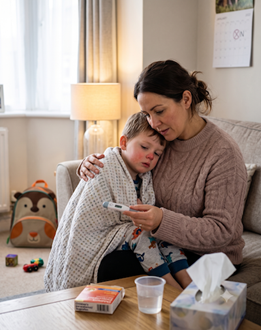
Parents can’t prevent every illness, but a little preparation makes repeated absences easier to manage. It helps to understand nursery exclusion rules, keep useful supplies at home, plan for missed work and know when a child needs more than rest and fluids.
Check the nursery’s illness policy
Ask for the nursery’s sickness policy before you need it, then save it somewhere easy to find. Settings may have different rules for fevers, rashes, conjunctivitis and prescribed antibiotics, while vomiting and diarrhoea generally mean staying away for 48 hours after the last episode. Advice on preventing norovirus outbreaks also stresses soap-and-water handwashing because alcohol gel doesn’t kill the virus.
Tell the nursery exactly what symptoms your child has and when they started. That gives staff useful information if other children become unwell and avoids sending your child back before they can manage a normal nursery day. A lingering runny nose may be manageable, but tiredness, frequent coughing or poor appetite can make a full session too much.
Plan for illness reaching the adults
Parents often catch the same infections a few days later, which can turn one childcare absence into a longer disruption. If your illness lasts more than seven calendar days, your employer may ask for a sick note from your GP or another eligible healthcare professional. Shorter sickness absences can usually be self-certified.
Check your employer’s reporting process, keep the right contact details available and make sure both parents understand who can cover collection or stay home if plans change. Your workplace policy may also explain whether annual leave, dependent leave or flexible working is available when your child is ill but you aren’t.
Cut down the spread at home
Start with hands: Help children wash with soap after nursery, after using the toilet and before eating. Adults should wash after wiping noses, changing nappies or cleaning up sickness.
Separate the obvious items: Give the unwell child their own towel and cup, clean frequently touched handles and wash soiled bedding promptly. The aim isn’t to sterilise every toy. It’s to reduce the easiest routes for germs while keeping the household running.
Reports of families dealing with repeated nursery illnesses show how quickly work and family plans can be affected. Keeping children home when required protects other families and gives your own child a better chance to recover.
Make recovery days easier
Keep child-friendly fluids, tissues, a thermometer, spare bedding and any medicines you already use safely at home. Offer drinks regularly, let appetite return gradually and avoid packing the day with activities because a child who seems brighter for an hour may still tire quickly.
Contact a healthcare professional if your child is getting worse, isn’t drinking, has breathing difficulties or you’re worried by their behaviour. Once they’re well enough to return, expect energy and sleep to take a little longer to settle. Nursery bugs are hard to avoid completely, but clear policies, sensible hygiene and a plan for work absences make the season easier to handle.