The Toddler Climbing Phase: How to Survive It Safely
At some point between eighteen months and three years, your quiet living room will suddenly transform into an assault course. Toddlers love to climb, and they will try to scale sofas, tables, bookshelves and stairs to test their limits.
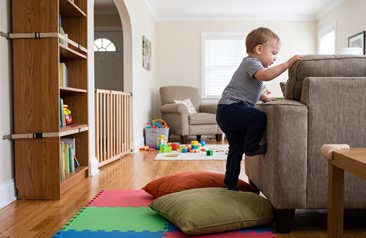
You can't stop this behaviour because it's a vital developmental milestone that builds coordination and strength. However, you can manage the environment to reduce the chance of serious injury when they inevitably fall. Read ahead to discover how you can keep your little adventurer safe without turning your home into a fortress.
Why Young Children Need to Climb
Many parents view climbing as mischief, but this behaviour is an essential part of growing up. During this phase, toddlers learn about spatial awareness, balance and physical capabilities. They are testing what their bodies can do, which helps build muscle strength and motor skills.
Trying to ban climbing completely is a losing battle. It can also lead to frustration and tantrums, as children have an innate drive to explore their physical boundaries. Instead of stopping them, the best way to handle this is to create safe zones where they can practice.
How to Secure the Common Hazard Zones
Your first line of defence involves looking at the room from a toddler's eye level. Heavy furniture presents the most significant risk in any living area, as a climbing child can easily pull a heavy unit down onto themselves.
Anchor Heavy Furniture Safely
To keep your main living spaces safe, you should carry out several quick adjustments. Make sure you complete these essential safety checks to protect your active child:
* Anchor all heavy bookcases, chests of drawers and wardrobes securely to the wall using safety straps or L-brackets.
* Apply soft, rounded corner guards to sharp coffee tables and TV units to cushion the impact of a trip.
Prevent Window and Worktop Falls
You must also look at where children might climb to reach high surfaces. Keep chairs, stools and toy boxes away from kitchen worktops and high window sills.
These basic steps will prevent the most common accidents in the home. But there are other, less obvious dangers that parents often overlook until their child is already halfway up them.
How to Secure Open Railings and Balconies
Many modern homes feature horizontal stair railings, open mezzanine edges or balcony balustrades. While these designs look stylish and allow light to flow through the property, they act as perfect ladders for an adventurous toddler. The horizontal bars provide easy footholds, and an open landing can quickly become a serious fall hazard.
You can block these gaps and eliminate footholds without spoiling the look of your home or blocking natural light. A highly effective solution is to install a durable, cut-to-size clear polycarbonate sheet over the railings. This material is incredibly strong and shatterproof, making it far safer than glass for busy household environments.
Because these panels are completely transparent, you can still see through them, which helps you keep a close eye on your child. In addition, you can secure them easily using cable ties or screws, creating a smooth barrier that leaves no footholds for tiny feet. This simple addition makes high-risk areas like staircases and balconies safe for toddlers while keeping the space bright and open.
Create Safe Spaces for Active Play
Since toddlers need to climb, you should give them safe outlets for all that energy. If you don't provide a designated climbing spot, they will find their own, which usually means the dining table or the kitchen worktops.
You can set up a safe indoor play area using soft foam mats, low climbing triangles or sturdy floor cushions. These items allow children to develop their balance and coordination close to the ground, where a fall won't cause any harm. It's worth pointing out that placing a thick rug or play mat at the bottom of stairs or climbing frames can significantly soften any landing.
Safe Exploration for Peace of Mind
The climbing phase is a busy and sometimes stressful time for parents, but taking active steps towards securing your home will give you peace of mind. By securing the major hazards in your home, you can give your child the freedom to explore and grow without constantly worrying about serious accidents.
You don't need to completely restrict their movement to keep them safe. With a few practical changes, such as anchoring heavy furniture and covering dangerous stair railings, you can let your toddler build their strength safely. You will get some peace of mind, and they will get the freedom they need to develop.