The Power of One-on-One Time With Your Child
Life with children is busy, with packed calendars, shared screens, and constant background noise. This makes being present challenging. One-on-one time can slip down the priority list, dismissed as a luxury for calmer stages. Yet these moments matter precisely because life feels full.
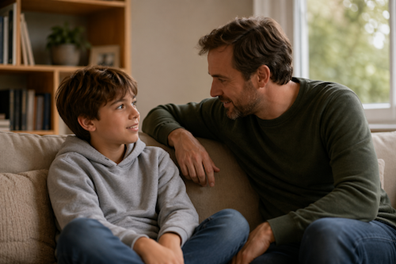
A short walk or chat while booking young driver insurance for your teenager can open doors you didn’t plan on unlocking. When your child gets your undivided attention, even briefly, they often show you more of who they are becoming.
Why One-on-One Time Matters for Parent-Child Relationships
When you spend time alone with your child, they don’t feel like they need to compete for your attention. Phones and other distractions stay out of reach, so you’re giving each other your undivided attention, which makes the other feel special and important. This allows conversations to shift. A six-year-old might share worries about school friendships. A teenager might open up about pressure from exams or friends once they are being given one-on-one attention.
This time together also builds trust through consistency. Make it a regular habit and reassure your child that you value them as an individual. With that reassurance, children feel heard, tending to check in more easily when something feels off. Notice how these small, repeated moments strengthen your connection without requiring grand gestures.
Simple Everyday Ways to Spend Quality Time Together
Quality time doesn’t require elaborate planning or added pressure on an already busy schedule. Ordinary routines often work best because they feel relaxed and real. Cooking an exciting meal together with your kids allows conversation to flow naturally while hands stay busy. A short drive to football practice creates a contained environment, where talking feels less intense than face-to-face discussions at the kitchen table.
Young children often engage best through play, so sitting on the floor and following their lead with toys or drawing can reveal what occupies their thoughts. Older children may prefer shared tasks.
Supporting Independence as Children Grow
One-on-one time helps connect with your kids, shifting from guidance to partnership. Teenagers, in particular, test boundaries while still needing reassurance that you remain available.
These moments also help you practise stepping back. When a child talks through a decision, they often clarify their thinking simply by saying it out loud. You support their independence by asking reflective questions instead of offering immediate solutions. Let them take the lead in discussions and resist the urge to fix everything straight away.
One-on-one time doesn’t promise perfectly behaved children or constant harmony. It does, however, give you a clearer understanding of your child as they grow. Those small windows of attention add up, creating a relationship that feels sturdy enough to weather busier seasons together.