The New Parent’s Home Checklist Before Autumn and Winter Arrives
The first colder season with a baby can make a familiar house feel different. Rooms that seemed fine in summer suddenly have draughts, washing takes longer to dry, and night feeds feel harder when the hallway is cold at 3am.
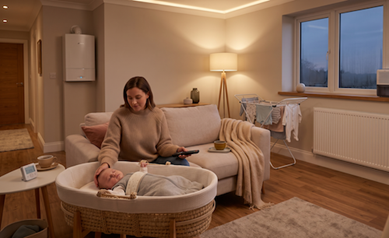
New parents already have enough to remember, so the aim isn’t to make the home perfect. It’s to sort the jobs that make feeding, sleeping, bathing and getting out of the door easier once the weather turns.
Test the Heating Before It’s Needed
A boiler that worked quietly all summer can become the centre of family life as soon as nights get colder. Test the heating before the first cold week, bleed radiators that stay cool at the top and make sure the thermostat is easy to use when you’re tired. For a household with a new baby, boiler service cover can be one of those boring yet needed insurances that protects your bathtime, bedtime and the nights when nobody wants to discover the heating has failed.
Make the Sleep Space Winter-Ready
Babies don’t need a hot room, but they do need a safe sleep setup that doesn’t change in a panic. Check that the cot is away from radiators, heaters and dangling blind cords, and use layers that can be adjusted rather than thick loose bedding. Cot position, room temperature and clothing matter more than piling on blankets, especially when you’re preparing for cold-weather sleep with a baby before the first freezing night.
Deal With Damp Corners Early
Autumn can reveal condensation on windows, damp patches behind furniture and rooms that never seem to air properly. Babies create extra washing, and drying clothes indoors without enough airflow can make the problem worse. Before winter settles in, check bedrooms, bathrooms and laundry spaces. Move furniture slightly away from cold outside walls, open trickle vents if you have them and use extractor fans during baths and showers.
A dehumidifier can help some homes, but it shouldn’t hide a leak, blocked gutter or ventilation problem that needs fixing. A home that stays cold or damp can make feeding, washing and resting harder for everyone, and the link between cold homes and health is a good reason to treat winter preparation as part of family care.
Keep Cold-Weather Essentials Together
Leaving the house with a baby often takes longer than expected once coats, rain covers and spare clothes enter the routine. A small station near the door can stop every trip becoming a search. Keep the items you reach for most in one place:
* hats and mittens in one basket
* spare socks for pram or car trips
* a thin blanket for layering while awake
* rain cover and changing mat
* hand cream for cracked winter skin
* a torch for dark returns from nursery or appointments
Some issues only become obvious at night. A radiator may clank beside the cot, a landing light may be too bright for feeds, or the coldest room may be the one where you settle the baby most often. Sorting those small annoyances before winter gives everyone a better chance of rest. A little preparation also makes it easier to spot when a problem belongs to the house, not to tired new parents. That can make the whole season feel less like a list of surprises.