The Invisible Trigger: Why Mouldy Shower Seals Could Be Behind Your Child’s Allergies
In the UK, many parents go to great lengths to protect their children from common allergens like pollen or pet dander, often investing heavily in high-end air purifiers.
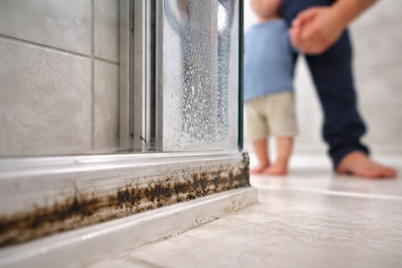
As a home environment health consultant, I am frequently asked: “Why does my little one start coughing as soon as they step into the bathroom?”
After investigating numerous UK homes, I’ve found a recurring culprit that most parents overlook, lurking in the dampest corner of the house: the plastic seals on your shower door.
1. Black Mould: The Hidden Respiratory Threat
The UK’s notoriously damp and cold climate makes bathrooms a prime breeding ground for moisture. Shower door seals, particularly at the base, are in constant contact with standing water. Their grooved structures are notoriously difficult to clean, often harbouring Aspergillus niger (Black Mould).
For infants and toddlers with developing immune systems, this mould is more than just a visual nuisance. Every time a shower door is opened or closed, microscopic spores are released into the air. In the confined space of a bathroom, children inhale these spores in high concentrations. According to NHS studies on Aspergillosis updated in 2024, prolonged exposure to such environments is a primary factor in triggering childhood asthma, chronic coughs, and deteriorating eczema.
Furthermore, toddlers are naturally curious and often grab or even chew on the edges of shower doors during bath time. This makes it crucial to ensure that these components are made from medical-grade materials that are UK REACH compliant and free from harmful Phthalates, preventing toxic chemicals from entering their system through oral contact.
2. Why Low-Quality Seals Are "Mould Magnets"
Not all PVC seals are created equal. Many budget-friendly replacements are manufactured using low-density, recycled PVC, which presents two major risks:
Porosity Issues: Under a microscope, the surface of cheap plastic is porous. This provides the perfect "soil" for mould roots to penetrate deep into the material, making it impossible to scrub away entirely.
Chemical Off-gassing: To maintain flexibility, low-grade plastics often contain excessive plasticisers. In the humid heat of a hot shower, these chemicals can volatilise and mix with mould spores, creating a "toxic cocktail" for a child’s delicate respiratory tract.
3. Cutting Off Allergies at the Source: Material Matters
Protecting your family from these invisible threats requires more than just rigorous cleaning it requires prevention through superior materials.
Bio-inhibitor Materials: High-quality seals use medical-grade or food-grade raw materials. These have a higher density and include anti-fungal additives that make it difficult for mould to gain a foothold.
Strict Certification: In the UK, always look for products that meet UK REACH specifications. these rigorous chemical restriction standards ensure the components are free from heavy metals and carcinogenic substances.
The Importance of Maintenance: Experts suggest that if a seal has developed stubborn black spots or the plastic has become brittle and yellowed, a more effective long-term hygiene solution is checking and replacing your shower door seals every 12-18 months to maintain a sterile bathing environment.
4. Three Tips for a "Hypoallergenic" Bathroom
Enhance Ventilation: Keep the extractor fan running for at least 20 minutes post-shower or leave the window slightly ajar.
Physical Drying: Get into the habit of using a squeegee or a dry microfibre cloth to wipe down the glass and the seals after use, cutting off the mould’s water supply.
Choose the Right Fittings: Invest in professional seals with high transparency and anti-bacterial designs. Ensure the sizing is precise to prevent water from leaking onto the floor, which can cause dampness under floorboards.
If you are unsure whether your current seals meet safety standards, checking for transparency and any strong "chemical" odours is usually a good first step toward a healthier home.