The Hidden Family Cost Behind “Free” Grandparent Childcare
The hidden cost of ‘free’ childcare: grandparents sacrifice holidays, social lives and savings as family support costs nearly £14.6bn a year*
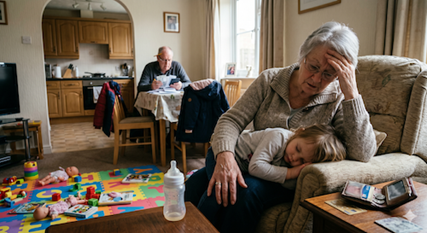
* 70% of grandparents who provide childcare for their grandchildren say it feels more expensive than it did 12 months ago
* 44% have cut back on their own spending, saving or leisure to cover the cost of childcare
* Grandparents estimate they spend nearly £20 a day looking after grandchildren
* Among those caring four or more days a week, 59% have cut back personally and 28% have asked parents to contribute
* One grandmother says caring for her grandsons means losing around £500 a month in income
London, 12th May: Grandparents are paying the hidden cost of Britain’s childcare squeeze, with new research revealing that many are cutting back on their own spending, saving and retirement plans to keep supporting their families.
New research commissioned by subscription lender Creditspring found that 70% of grandparents who look after their grandchildren feel it is more expensive than it was 12 months ago, with many absorbing the additional costs associated with childcare, including food, fuel, days out, entertainment and household bills, even as these continue to rise.
Although grandparent childcare is often described as “free”, the findings suggest the cost is increasingly being subsidised by older relatives themselves. One in ten (10%) say they have cut back on retirement savings or money put aside for the future.
On average, grandparents estimate it costs them £19.51 for a full day of looking after a grandchild, with a third (33%) saying they spend £20 or more per day.
The pressure is sharpest among grandparents providing the most regular care. Among those looking after grandchildren four or more days a week, four in five (82%) say it has become more expensive, while over half (59%) have cut back personally to cover the costs, and 28% have asked parents to contribute financially.
Grandparents face emotional pressure as well as financial strain
Six in ten (61%) grandparents say they feel guilty when saying no to looking after their grandchildren, and many grandparents still strongly believe in helping where they can, with three quarters (75%) agreeing that they should help with childcare for free if they are able to do so.
However, the findings suggest expectations may be becoming harder to manage as costs rise. Two in five grandparents agree parents should contribute when grandparents look after children regularly during the week, while 38% believe families should share childcare costs more fairly. One in six (16%) grandparents have already asked their child or their child’s partner to contribute financially towards the cost of looking after their grandchildren.
The most common cutbacks for grandparents include treats for themselves (30%), meals out or coffee trips (30%), travel (22%), socialising (21%), hobbies (20%) and holidays (20%).
At the same time, 17% say rising costs make them more likely to turn down childcare requests, while 35% say they increasingly feel they need firmer boundaries around looking after their grandchildren.
“I’m losing around £500 a month”
For some grandparents, the cost of caring is not just the money spent on food, fuel or activities, but the income they lose by stepping in.
Donna Doidge, a 60 year old maternity healthcare support worker from Birmingham who is a Creditspring customer, says stepping in to care for her two autistic grandsons has come at a significant financial and personal cost…
“I love my grandsons more than anything, so of course I want to be there for them, but it has come at a real financial cost. I’ve had to give up extra shifts at work because I’m the only one who can care for them, which means losing around £500 a month at a time when everything is getting more expensive.
“I’m still working around 30 hours a week, but alongside that I’m providing up to 30 hours of childcare as well, so there’s very little room to make up that lost income. It puts a real strain on your finances, especially when you’re getting older and should be thinking about slowing down, not stretching yourself further.
“I actually retired at 55 and even used my pension to help my family, but I had to return to work almost immediately and put those plans on hold. I thought I’d be able to enjoy this time after retirement, maybe take trips in my campervan, but instead I’m either working or caring for the boys.
“Saying no isn’t really an option because you feel guilty straight away, but the reality is you’re sacrificing your income, your retirement and your freedom just to keep everything going.”
When family support affects financial wellbeing
Tamsin Powell, Consumer Finance Expert at Creditspring, said: “Grandparents are a lifeline for many families, often stepping in to provide childcare that helps parents work, save money and manage busy lives. But this support is not cost-free.
“What this research shows is the emotional tension many grandparents are facing. They want to help and many feel guilty when they cannot, but they also need to protect their own financial wellbeing. Asking for a contribution should not be seen as a failure to support the family. In some cases, it may simply be a sensible boundary that helps grandparents keep helping in a way that is sustainable.”
Tamsin shares her simple tips to help families manage childcare cost conversations:
Be honest about the costs early
If looking after grandchildren regularly is affecting your budget, raise it before the pressure builds. A calm conversation is easier than one triggered by financial stress.
Separate guilt from affordability
Wanting to help does not mean you have to absorb every cost. If childcare is affecting your own spending, savings or wellbeing, it is reasonable to set limits.
Agree what regular support looks like
If childcare happens every week, talk through what is included. Food, fuel, activities and household costs can all add up over time.
Make contributions practical, not awkward
A contribution does not have to feel transactional. Parents could help by offering to cover food, pay for activities, contribute towards fuel or provide essentials in advance.
Set boundaries around time as well as money
Childcare can be physically and emotionally draining. Being clear about when you can and cannot help protect both family relationships and personal wellbeing.
Review arrangements as costs change
What worked a year ago may not work now. If household bills, fuel or food costs have increased, it is fair to revisit the arrangement.
For more advice on managing family finances and planning for child-related costs, visit HERE.
* This estimate is based on research suggesting that approximately 7 million grandparents in Britain provide regular childcare, with around 57% of parents with children under 13 relying on grandparental support for an average of two days of childcare per week at £20 per day, equating to £40 per week or £2,080 per grandparent annually. Scaling this across 7 million grandparents yields an estimated total contribution of approximately £14.6 billion per year.