How Sports Play Shapes Little Leaders and Future Entrepreneurs
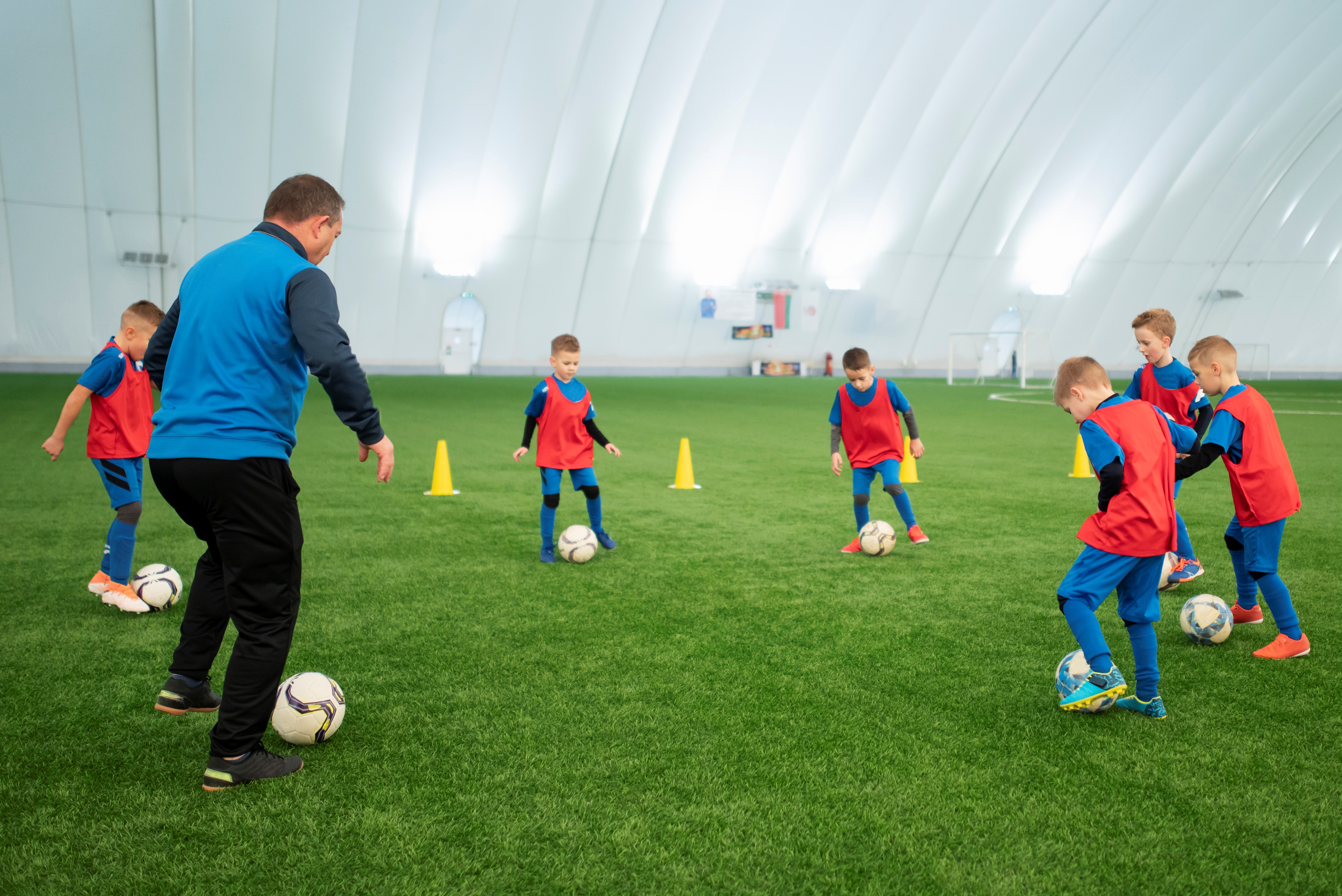
How Sports Play Shapes Little Leaders and Future Entrepreneurs
Every parent wants to help their child grow into a confident, capable person. While learning at home and in early education plays an important role, active play can teach lessons that are just as valuable. Running, throwing, taking turns, solving simple problems and playing games together can help children build physical, social and emotional skills.
For babies, toddlers and pre-schoolers especially, play offers a natural way to explore how the world works while building confidence through small challenges. The skills children practise during backyard games, simple sporting activities and family game nights can support the way they approach problems, cooperate with others and respond when things do not go to plan.
The Playground Is a Classroom
Play regularly gives children small challenges to solve. They may need to decide where to run, how hard to throw a ball, whose turn comes next or what to do when a game suddenly changes. These moments might seem simple, but they give children opportunities to practise decision-making and adaptability.
Positive experiences with movement can also support important social and emotional skills. The Australian Sports Commission's physical-literacy framework identifies areas such as emotional self-regulation, communication, cooperation and leadership as part of children's broader development through movement and physical activity.
Parents do not need complicated equipment or organised competitions to encourage these skills. Simple games at home, in the garden or at the park can give young children opportunities to move, experiment and interact with others.
For families looking to make active play part of everyday life, Formula Sports & Games offers toys, backyard games and sporting products suited to shared play and outdoor fun. Family activities can create opportunities for laughter and connection while also helping children practise patience, cooperation and turn-taking.
Movement Builds Confidence and Resilience
Physical play often involves trial and error. A child might miss a catch, struggle to roll a ball towards a target or lose a simple game. Learning to try again helps children understand that mistakes are a normal part of learning.
When parents respond to these moments with encouragement rather than focusing only on winning or getting things right, children can gradually become more willing to keep trying.
For younger children, resilience often develops through very small experiences. Trying to climb a little higher at the playground, attempting another throw or finishing a game after making a mistake can all help children become more comfortable with challenges.
These experiences can also build confidence. Each time children learn a new movement, understand a new rule or solve a problem during play, they gain evidence that they are capable of learning and improving.
Team Play Encourages Early Leadership Skills
Leadership does not begin in adulthood. Children can start practising basic leadership behaviours whenever they play with siblings, friends or family members.
Group activities give children opportunities to communicate, cooperate and consider other people's needs. One child might suggest the next game, help explain a rule or encourage someone who is finding an activity difficult.
Communication
Games give children reasons to express what they want, listen to others and respond to instructions. Even simple activities such as passing a ball or taking turns can encourage clearer communication.
Responsibility
Children also begin to understand that their actions affect other people. Waiting for a turn, following a simple rule and helping tidy away equipment can reinforce responsibility and consideration for others.
Problem-Solving
Play rarely goes exactly as expected. A ball rolls somewhere unexpected, a tower falls over or players disagree about what should happen next. Working through these small problems encourages children to think about alternatives and try different approaches.
The Role of Parents in Active Play
Parents have a strong influence on how children experience sport and games. The way adults react to mistakes, competition and effort can shape how children respond to challenges themselves.
Focusing on effort rather than results can make play more enjoyable and less stressful. Instead of praising only a win, parents can notice persistence, cooperation or improvement.
Comments such as “You kept trying” or “I liked how you waited for your turn” draw attention to behaviours children can repeat and develop.
Structured family play can be useful too. A regular game indoors or outdoors gives children a chance to practise patience, turn-taking and problem-solving in a familiar environment. The goal does not need to be athletic achievement. For young children, the real value often lies in learning how to participate, cooperate and enjoy being active.
How Play Encourages Curiosity and Creative Thinking
Active play is not only about following rules. Children also benefit when they are allowed to experiment.
A child might invent a new way to move through an obstacle course, turn household objects into targets or change the rules of a familiar game. These activities encourage creative thinking because there is not always one correct answer.
Open-ended play can be particularly useful for young children because it allows them to test ideas at their own pace. Parents can support this by asking simple questions such as “What could we try next?” or “Is there another way to do it?” rather than immediately providing the solution.
These moments encourage children to explore possibilities, make decisions and learn from the results.
Raising Confident and Capable Children
Children develop important life skills through everyday experiences, and active play gives them plenty of opportunities to practise.
Running, playing games, taking turns and solving problems with other people can help children build confidence, cooperation, persistence and curiosity. These qualities are useful throughout childhood and can continue to support them as they grow.
Parents do not need to turn every game into a lesson. Often, the most valuable learning happens naturally while children are moving, laughing, experimenting and spending time with the people around them.
By giving children regular opportunities to play actively, parents can create an environment where physical development, confidence and social skills grow together.