Simple Ways to Prepare Your Family Home for Baby’s First Winter
You’re holding a tiny vest against the radiator, checking whether the nursery feels cold, and wondering how such a small person needs so many layers by 6pm. Baby’s first winter makes ordinary family life more fiddly, especially when everyone is tired before bedtime starts.
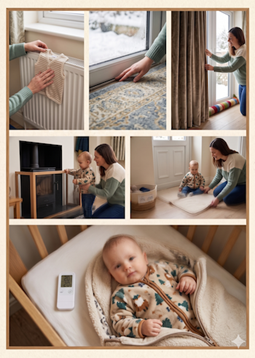
A good winter set-up doesn’t need a full house overhaul. It’s about checking the rooms you use most, sorting irritations early, and making home easier when the weather turns wet, dark, and chilly.
Check the Warmest Family Spaces
Late feeds, contact naps, nappy changes, and floor time usually happen in the same few rooms. Run your hand around window frames, patio doors, skirting boards, and letterboxes to feel for draughts. Thicker curtains, a draught excluder, or a rug over a cold floor can make the room feel more comfortable.
After bath time, the living room often becomes the warm landing place where everyone ends up. Before winter settles in, check the heat source you rely on most: fireplaces in Cannock can make a family room feel cosy, but the area still needs a parent’s eye. Fit a secure fireguard, keep muslins away from the heat, and make sure toys can’t roll too close to the hearth.
Keep Bedtime Warmth Sensible
It’s tempting to add layer after layer when baby’s hands feel cool, but hands and feet often feel colder than the rest of them. Check the back of the neck or chest instead. Hot, sweaty, or clammy skin means a layer can come off. Cool skin may mean adding a vest, sleepsuit, or sleeping bag.
A room thermometer saves bedtime guessing. Many parents use sleeping bags because they stay in place better than loose covers, and baby sleeping bag tog ratings can help you match clothing to the room temperature. Keep hats for outdoor trips, not sleep, and avoid loose blankets, pillows, or bulky bedding in baby’s sleep space.
Tackle Damp, Laundry and Doorway Chaos
Wet pram wheels, muddy shoes, damp coats, and tiny socks can take over the hallway fast. Put a washable mat by the door and keep a basket nearby for hats, mittens, and buggy rain covers. If everything is easy to grab, winter outings become less stressful.
Drying clothes indoors can make some homes feel damp, especially in older properties. Open a window after baths or cooking, use extractor fans where you have them, and wipe wet window frames before moisture sits there all day. If you already notice condensation on windows, move furniture slightly away from outside walls so air can move behind it.
Get Ready for Cold Days Out
Pack the change bag for the weather you’ll actually meet, not the neat version of the trip in your head. Add spare socks, a dry hat, nappy bags for wet clothes, and a small blanket for the pram. A thin extra layer is often easier than one thick outfit because you can adjust it between the car, shops, and home.
Before buckling baby into a car seat, remove bulky coats or padded suits so the harness can sit close to their body. A blanket over the straps can add warmth once they’re safely fastened.
A few small checks now can make winter feel less chaotic later. Sort the warmest room, clear heat sources, organise the hallway, and keep bedtime layers simple. Your home doesn’t need to be perfect for baby’s first cold season, just ready enough for fewer 3am worries.