Simple Ways to Encourage Independence in Toddlers
The transition from a dependent infant to a headstrong toddler is one of the most whirlwind phases of parenting. One moment they are reaching for your hand, and the next, they are shouting "I do it myself!" while trying to put a shoe on their ear. While it can be testing for your patience (and your schedule), this drive for autonomy is a vital developmental milestone.
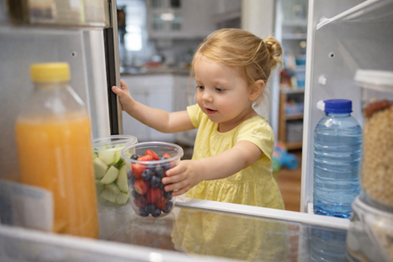
Encouraging independence doesn't mean letting your child roam free without supervision; rather, it’s about providing a controlled environment where they can build confidence, problem-solving skills, and self-reliance. Here are several simple, effective ways to foster independence in your toddler.
1. Create a "Yes" Space
Toddlers spend much of their day hearing the word "no." To foster independence, try to flip the script by creating a home environment where they can explore safely.
* Lower the snacks: Place healthy snacks and water bottles on a low shelf in the pantry or fridge so they can help themselves.
* Accessible toys: Use open bins rather than heavy-lidded toy boxes.
* Wardrobe wins: Keep a few weather-appropriate outfits in a bottom drawer so they can choose their own clothes.
2. Embrace the "Helpful" Phase
It might take three times longer to fold the laundry with a two-year-old "helping," but involving them in chores is a cornerstone of self-efficacy. Give them small, manageable tasks like:
* Putting napkins on the dinner table.
* Matching socks.
* Using a small dustpan to help clean up crumbs. When children feel their contributions matter, they develop a sense of belonging and responsibility.
3. Offer Limited Choices
Total freedom is overwhelming for a toddler, but limited choices are empowering. Instead of asking, "What do you want to wear?" (which could result in a swimsuit in January), ask, "Do you want the blue sweater or the red one?" This gives them a sense of control without compromising on safety or practicality.
4. Prioritise Safety and Peace of Mind
As toddlers become more independent, they naturally want to explore further whether it's at the park, the mall, or in the backyard. This can be a source of anxiety for parents. To balance their need for exploration with your need for security, many parents are turning to modern products designed for active families.
Using tools like a wearable GPS tracker allows a child to feel the "freedom" of walking a few paces ahead or playing at the playground while giving parents a digital safety net. Understanding how these devices keep kids safe helps bridge the gap between overprotectiveness and healthy independence. When you feel calm, your child feels more confident to explore.
5. Focus on the Process, Not the Result
If your toddler pours their own milk and spills half of it, resist the urge to sigh or take over. Instead, hand them a cloth and say, "Oops, let’s wipe that up together." Independence is a skill that requires practice. If we jump in to fix every "mistake," children learn to stop trying. Praise their effort ("I saw how hard you worked to zip that jacket!") rather than just the finished product.
6. Establish Predictable Routines
Independence thrives on predictability. When a toddler knows what comes next—breakfast, then shoes, then park they are more likely to start initiating those steps themselves. Visual schedules with pictures can be incredibly helpful for kids who aren't reading yet, allowing them to "check off" their morning routine solo.
Final Thoughts
Raising an independent child is a long-game strategy. It requires a lot of deep breaths and a bit of extra cleanup time in the short term, but the payoff is a confident, capable individual. By setting up your home for success and utilizing the right tools to ensure safety, you give your toddler the best possible foundation to grow.