Simple Remedies to Keep Your Entire Household Healthy From Kids to Dogs
Keeping a household healthy is rarely about one big decision. More often, it comes down to small habits repeated every day: washing hands before meals, keeping floors clean, choosing balanced snacks, making time for movement, and noticing when a child or pet seems a little “off.”
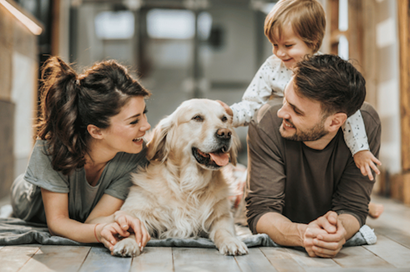
For families with both kids and dogs, health routines can feel especially busy. Children bring home germs from school and playgrounds. Dogs track in dirt, pollen, and mystery smells from the yard. Everyone has different needs, but the goal is the same: a cleaner, calmer, more resilient home.
The good news is that simple remedies and routines can make a real difference. You do not need to overhaul your life or fill every cabinet with complicated products. With a few practical changes, you can support the well-being of every family member, from toddlers to older dogs.
Start With a Cleaner Home Environment
A healthy household begins with the spaces everyone shares. Floors, sofas, bedding, bowls, toys, and high-touch surfaces all collect dust, crumbs, bacteria, pet hair, and allergens. That does not mean your home needs to be spotless. It simply means regular cleaning should target the areas that affect daily health the most.
Start with a simple weekly rhythm:
* Vacuum carpets, rugs, and pet resting spots
* Wash children’s blankets, dog beds, and soft toys
* Wipe door handles, light switches, remotes, and table surfaces
* Clean food and water bowls daily
* Open windows when the weather allows for fresh airflow
* Keep shoes near the door to reduce outdoor dirt indoors
For homes with dogs, paw care matters too. A quick wipe after walks can help reduce mud, pollen, lawn chemicals, and sidewalk residue from spreading across floors where children often sit or play. Keep a towel or pet-safe wipes by the entrance so the habit becomes automatic.
Air quality is another overlooked part of household health. Dust, dander, smoke, strong fragrances, and poor ventilation can irritate both people and pets. Regular dusting, clean filters, and fragrance-free cleaning products can make the home feel fresher without overwhelming sensitive noses. If you are concerned about particles such as pet dander, dust mites, or pollen, Rarefied Air can help identify potential issues through allergen testing.
Build Better Food Habits for People and Pets
Food is one of the most practical ways to support family health. For children, balanced meals help with energy, focus, growth, and mood. For dogs, consistent nutrition supports digestion, weight, skin, coat, and mobility. The details differ, but the principle is similar: simple, steady nourishment beats random snacking and last-minute choices.
For kids, try building meals around familiar basics:
* A protein source, such as eggs, beans, chicken, yogurt, or fish
* A colourful fruit or vegetable
* A filling carbohydrate, such as oats, potatoes, rice, or whole-grain bread
* Healthy fats from foods like avocado, olive oil, seeds, or nut butters when appropriate
For dogs, consistency is especially important. Sudden changes in food can upset digestion, so introduce new foods slowly. Avoid feeding dogs from the table as a daily habit, especially when meals include onions, garlic, chocolate, grapes, raisins, cooked bones, or rich fatty foods. These can be unsafe for dogs, even when they seem harmless to humans.
Hydration deserves attention as well. Children may forget to drink water during school, play, or screen time. Dogs also need easy access to clean water, especially after walks or active play. A simple remedy is to make water visible: keep bottles, cups, and bowls where they are easy to reach.
Support Movement Without Making It Complicated
Exercise does not have to look like a formal workout. In a family home, movement can be woven into ordinary life. Kids need chances to run, climb, stretch, dance, and play. Dogs need walks, sniffing time, and age-appropriate activity. Adults benefit too, especially when movement becomes part of the household routine rather than another task on a long list.
Try pairing child-friendly and dog-friendly activity:
* Take a short family walk after dinner
* Play gentle fetch in the yard
* Set up a simple obstacle course with cushions or cones
* Have kids help with supervised dog training games
* Use rainy days for indoor stretching or hide-and-seek with toys
For older dogs or dogs with stiffness, movement should be gentle and consistent. Shorter walks may be better than one long outing. Soft bedding, non-slip rugs, and ramps near furniture can also help reduce strain. This is where pet wellness brands such as Pup Labs often fit naturally into a broader care routine, especially for families thinking about comfort, mobility, and daily support for their dogs.
The key is to watch how each family member responds. A child who is tired or overstimulated may need quiet play instead of more activity. A dog who lags behind, limps, or hesitates on stairs may need rest and a conversation with a veterinarian.
Use Simple Comfort Remedies for Everyday Aches
Every household has minor discomforts from time to time. A child may come home with a scratchy throat, a parent may feel stiff after yard work, and a dog may seem slower after an active weekend. While serious or ongoing symptoms should always be checked by a professional, many everyday comfort routines begin at home.
For children and adults, basic comfort measures include rest, fluids, warm baths, gentle stretching, and soothing foods like soup or oatmeal. For dogs, comfort may mean a quiet resting area, a predictable routine, a supportive bed, and gentle handling.
Joint and mobility care is one area where pet owners often become more attentive as dogs age. A dog may still be cheerful and eager, but slower to rise, less willing to jump, or more cautious on slick floors. Families exploring daily support options may consult scientific, vet-approved supplement resources such as puplabs.com while keeping regular veterinary guidance at the center of their pet’s care. This kind of support fits best as part of a wider routine that includes healthy weight, appropriate movement, and a safe home setup.
For kids and pets alike, comfort should never mean guessing through serious symptoms. If pain, swelling, fever, vomiting, appetite changes, limping, or unusual behavior persists, it is time to call a paediatrician, doctor, or veterinarian.
Create Strong Hygiene Habits Everyone Can Follow
Good hygiene protects the whole household, but it works best when it feels simple. Children are more likely to follow routines when they understand them and when the steps are easy. Dogs, of course, need humans to manage their hygiene for them.
For children, focus on a few repeatable habits:
* Wash hands before eating and after using the bathroom
* Change clothes after muddy outdoor play
* Cover coughs and sneezes with an elbow
* Keep personal water bottles and utensils separate
* Put dirty clothes and towels in a laundry basket
For dogs, hygiene includes grooming, dental care, nail trims, clean bedding, and regular parasite prevention recommended by a veterinarian. Bathing too often can dry out a dog’s skin, so the right schedule depends on coat type, lifestyle, and health needs. Brushing between baths can help manage shedding and reduce hair around the home.
Toy hygiene is easy to forget. Children’s toys and dog toys often end up on the same floors, and sometimes in the same mouths if no one is watching closely. Keep pet toys separate from children’s toys, wash them regularly, and throw away anything broken, sharp, or heavily chewed.
Protect Rest, Routine, and Emotional Calm
Health is not only physical. A household’s rhythm affects sleep, stress, behavior, and recovery. Children often feel better when they know what to expect. Dogs do too. Predictable meals, walks, bedtime routines, and quiet periods can reduce chaos for everyone.
Sleep is a good place to start. Create a wind-down routine that lowers noise and stimulation near bedtime. Dim lights, reduce screens, prepare school items for the next day, and give the dog a final bathroom break before the house settles. Small steps like these can make evenings smoother.
Dogs also need a safe place to retreat. This might be a crate, bed, corner, or quiet room where children know not to disturb them. Teaching kids to respect a dog’s resting space helps prevent stress and supports safer interactions.
Emotional calm can also come from shared rituals. A morning walk, Sunday meal prep, brushing the dog after school, or reading together before bed gives the household a sense of order. These routines do not need to be perfect. They just need to be steady enough to make daily life feel manageable.
Know When Home Care Is Not Enough
Simple remedies are useful, but they have limits. A healthy household also depends on knowing when to ask for help. Children and pets cannot always explain what feels wrong, so behavior changes matter.
Watch for signs such as unusual tiredness, changes in appetite, ongoing digestive issues, breathing trouble, persistent coughing, limping, skin irritation, sudden mood changes, or pain that does not improve. In dogs, hiding, whining, restlessness, or avoiding stairs can also signal discomfort. In children, changes in sleep, energy, or interest in normal activities may be worth attention.
Keep important contacts easy to find: paediatrician, family doctor, veterinarian, emergency clinic, poison control, and a trusted neighbour or relative. A small home health folder can also help. Include vaccination records, medication notes, allergy information, and basic care instructions for both kids and pets.
Final Thoughts
Keeping an entire household healthy does not require perfection. It comes from practical routines that support clean spaces, balanced meals, regular movement, good hygiene, proper rest, and early attention to changes in behavior or comfort.
Start with the habits that feel easiest to maintain. Wipe paws at the door. Wash bedding more often. Take a short evening walk. Keep water bowls and bottles full. Create quiet spaces for rest. Over time, these small choices add up.
A home with kids and dogs will always have a little mess, noise, and unpredictability. That is part of the joy. With simple remedies and thoughtful routines, you can create a household that feels healthier, calmer, and better prepared for everyday life.