Planning for the Next Family Trip: A Checklist for New Parents
Your first holiday as new parents is so exciting, yet at the same time, so nerve-racking. Suddenly, packing includes far more than swimsuits and sunglasses. Nappies, bottles, travel cots, and countless "just in case" items all compete for suitcase space.
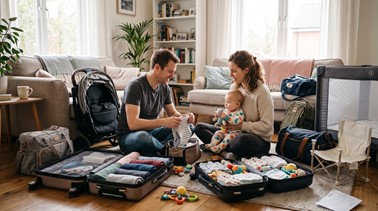
We remember staring at our own overflowing bags, wondering how someone so small needed so much stuff. Luckily, good planning turns the chaos into calm. This checklist walks you through every stage, from early budgeting to settling back home, so you can focus on making memories together.
Start With a Realistic Budget
Money worries spoil holidays, so sort your finances first. Babies add costs many first-timers forget, including extra luggage fees, cot hire, and bigger rooms. Write down every expected expense, then add roughly ten to fifteen per cent as a cushion.
Key costs to include:
* Travel (fuel, train tickets, or flights)
* Accommodation
* Food, formula, and snacks
* Activities, entry fees, and parking
* Travel insurance
Setting money aside each payday helps savings grow without pinching too hard. For more ideas, these tips to help your family budget for holiday travel cover off-peak bookings, separate savings accounts, and staycations.
Sometimes, though, life throws curveballs. Car repairs or surprise bills might eat into holiday savings right before your departure. In those moments, some parents look at small simple loan options to bridge short-term gaps. Whatever route you choose, check fees carefully, compare rates, and only borrow what you can comfortably repay.
Choose Baby-Friendly Destinations
Not every getaway suits our tiny travellers. Shorter journeys often work best for first trips, since newborns need frequent feeds and changes. Look for places offering:
* Lifts or ground-floor accommodation
* Kitchenettes or kettles for bottles
* Nearby supermarkets and pharmacies
* Quiet spaces for naps
Cosy cottages, seaside towns, and family holiday parks remain popular choices. Plus, staying closer to home means less stress if plans change suddenly.
Sort Paperwork Early
Admin tasks take longer than most parents expect. Travelling abroad means every baby needs a passport, and applications can take several weeks. Book photos early, because getting newborns to open their eyes and look straight ahead requires real patience!
Other documents worth checking:
1. Travel insurance for every family member
2. Booking confirmations, printed and saved on phones
3. Vaccination records, if your destination requires them
4. Health cover details and your GP's phone number
Our guide on what you need to know before going on holiday with your baby explains passports, flights, and accommodation in more detail.
Pack Smart, Not Heavy
Overpacking happens to almost everyone travelling with infants for the first time. Instead, begin a list a week or so before departure, and add items as they come to mind. Most destinations sell nappies and wipes, so pack enough for travel days plus a small buffer.
Essentials for your changing bag:
* Nappies, wipes, and nappy sacks
* Two spare outfits for your baby
* Bottles, formula, or breastfeeding supplies
* Muslin cloths and bibs
* A familiar blanket or comforter
* Infant pain relief suited for your baby's age
Roll clothes instead of folding them to save room. Also, pack one spare top for yourself, because spit-up is rarely aimed well.
Plan Travel Around Routines
Babies cope better when days stay predictable. Try timing departures around naps or bedtime, letting the gentle motion rock little ones to sleep. Driving offers flexibility, as you can stop whenever needed. If you're heading off by car, our article on family road trips with your newborn baby shares tips on car seats, entertainment, and packing.
Flying parents should feed during take-off and landing, since swallowing helps ease ear pressure. Meanwhile, rail travellers can book seats near toilets and baby-changing facilities.
Keep Your Baby Safe and Comfortable
Health and safety measures deserve their own spot on any checklist. Young skin burns easily, so pack sun hats, light layers, and shade covers for prams. At the same time, colder destinations will require snowsuits, mittens, and a warm sleeping bag for all of the family.
Hydration matters too, particularly on warm days or long journeys. Breastfed babies may want extra feeds, while bottle-fed infants need cooled boiled water on hand. Once you arrive, note down your nearest hospital and late-night pharmacy so help feels close by if anyone starts feeling ill.
Run a Final-Week Countdown
Seven days before departure, work through these quick steps:
1. Confirm bookings and check-in times
2. Charge baby monitors, phones, and power banks
3. Wash any favourite toys and comfort blankets
4. Download offline maps and soothing playlists
5. Pack medicines and documents into one pouch
Ticking off small tasks each evening stops last-minute panic. Better still, partners can split jobs so neither of you feels overwhelmed.
Prepare Your Home Before Leaving
Coming back to a tidy, stocked house makes post-holiday life easier. Before setting off:
* Empty bins and clear out fridge leftovers
* Freeze one or two ready meals for your return
* Set timers on lamps, if possible
* Ask neighbours to collect your mail
Doing little jobs now saves tired parents later!
Build Flexibility Into Every Day
Perhaps our biggest lesson? Holidays with babies rarely go as planned. Some days will see teething, unexpected rain, or skipped naps. Leaving gaps in your schedule means nobody feels rushed or disappointed.
Pick one main activity daily, then let everything else happen naturally. Long lunches, beach walks, and park visits often become our favourite moments anyway.
Enjoy Your First Adventure Together
First trips with a baby take extra effort, yet the reward is instant. Watching your baby discover sand, waves, or a new face brings joy no photo fully captures. With sensible budgeting, early paperwork, smart packing, and flexible plans, your next getaway can feel calm, affordable, and wonderfully memorable.