Plan the Last Ten Minutes of a Family Day Out Before the First Mile
The destination pin says you have arrived. The children can see the entrance. What nobody can see is the way into the car park, which turns out to be round the back on a different street. For a newly qualified driver taking the family somewhere unfamiliar, this is often the hardest part of the outing. You can take much of the pressure off without memorising a route. Plan the arrival as a small journey of its own.
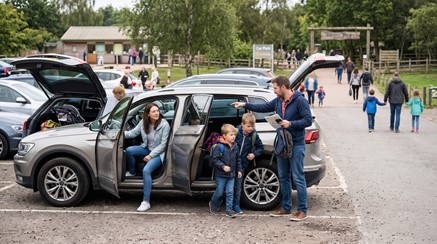
Look at the entrance people actually use
Start with the venue's own visitor information. A postcode may lead to the office, the pedestrian gate or the centre of a large site. Find the name of the road with the vehicle entrance and check whether the venue directs visitors to a public car park elsewhere. Look for booking arrangements, opening times and any height or vehicle restrictions that matter to your party. A roof box which fits happily on the open road deserves a second thought before entering a covered car park.
Then check what happens after you park. A walk which looks short on a map may involve a flight of steps or a road crossing with a pushchair. If somebody needs step-free access, check that route specifically. Identify a second suitable parking option before departure and find the walking route from there as well. Two realistic choices are easier to use than a list of eight car parks whose names mean little to anyone in the car.
Practise the decision without an audience
A first independent family outing need not be the first time you have faced a busy urban arrival. If you are still learning, explain the kind of journey you eventually want to make and ask your instructor what would be appropriate to practise now. A conversation about driving lessons in Battersea might start with something as ordinary as approaching an entrance near a park, noticing people on foot and deciding whether there is time and space to turn.
Separate the driving task from the social one. In a lesson you can concentrate on controlling the car, watching the street and choosing a safe course. On an outing, a relative may also be reading out signs and children may want to know when they can get out. Learn what helps you cope with the physical task before adding the pressure of a ticket time or a full back seat. A different family member can drive for an outing if the journey is beyond what feels manageable yet.
Brief the passenger before you leave
Choose one adult to deal with tickets, messages and directions. Agree what would be useful to hear. The name of the entrance road given in good time is more helpful than a sudden shout that the turning was just there. Explain that if a direction comes too late you will continue safely and find another way. No attraction booking is worth an abrupt change of direction. Children can have the important job of looking out for the venue after everyone is safely on foot.
Set navigation and organise anything needed for payment before setting off. Download booking details if reception is uncertain. Give the adult passenger the car park name separately from the venue name so a last-minute search does not simply bring up the same unhelpful pin. If you are the only adult, arrange things so that messages and booking problems can wait until you are safely parked. A phone full of useful information is of little help if you need to operate it while driving.
A simple arrival note can keep this preparation manageable. Put the vehicle entrance, the preferred car park and the alternative on the same page as the booking details. Add anything the group needs after leaving the car, such as a step-free route or a particular meeting point. Give the note to the adult passenger before departure. If you are travelling without another adult, read it before setting off and leave it alone while driving. The purpose is to make the information easier to find when you are safely stopped.
Include the children in the parts they can understand. Explain that reaching the building does not mean it is time to unbuckle or open a door. You will tell them when the car is parked and you are ready to help them out. Decide where bags, coats and the pushchair will be unloaded, taking account of the space and traffic around the vehicle. The exact arrangement will depend on the children and the parking place, so leave room to change it.
Before walking away, pause to check that everyone has what they need. It is easier to collect a ticket or an extra layer then than to send somebody back across an unfamiliar car park later. This short pause also lets the driver stop thinking about the approach and join in with the day out.
Give the fallback a fair chance
Decide in advance what will trigger the second option. A closed entrance, a full sign or a queue creating difficulties for other road users can each be a reason to move on. Agree that nobody will try to persuade the driver to squeeze into an unsuitable space because it is close to the gate. A longer walk is often the easier outcome, especially when it avoids unloading children and bags beside moving traffic.
Once parked, note the car park name, entrance and level before you leave on foot. Check the payment arrangements and closing time at the signs on site. Make a plan for the return journey while everyone is together and has some energy. If the event finishes after dark, identify the pedestrian exit you expect to use and leave enough time to walk back without hurrying a tired child.
When you try a second outing, reuse the decisions that worked. Was an earlier arrival useful? Did the passenger know when to stop talking? Was the alternative car park actually easier than the first choice? Those details become part of your family's travel routine. The next time a satnav announces that you have arrived, it can mean you are nearly there, with a clear idea of what to do next.