Mould in the Bathroom? Here's How to Protect Your Children
Most parents will spot it at some point. A patch of black creeping along the grouting above the bath or around the shower tray. Bathroom mould is one of the most common household problems in the UK, and it's easy to write off as something that just looks a bit grim. But if you've got babies or toddlers in the house, those dark patches are something you'll want to take seriously.
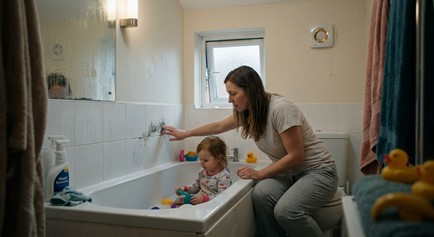
The NHS says children living in damp homes can be up to three times more likely to develop breathing problems. Babies and young children are especially at risk because their airways are smaller, so mould spores can cause a lot more irritation than they would in an adult. That's reason enough to look at why bathrooms are such a magnet for mould, and what you can actually do about it.
Why Bathrooms Are the Worst Room for Mould
Mould needs moisture, warmth and something organic to feed on. A family bathroom delivers all of that, every single day. Hot showers and baths fill the room with steam, and if that moisture can't escape quickly enough, it'll settle on walls, ceilings and tiles. Grout is particularly bad for this because it's porous. It absorbs water easily, which gives mould spores exactly what they need to get going.
And if you've got young kids, the bathroom gets used a lot more. With nightly baths, potty training and everyone constantly in and out of the room, moisture can build up quickly. Surfaces just don't get enough time to dry out properly between uses.
How Mould Affects Babies and Young Children
Mould releases tiny spores into the air. When your child breathes those in, it can trigger coughing, sneezing, a runny nose and irritated eyes. For children who already have asthma or allergies, the effects can be worse, with increased wheezing and more frequent chest infections.
The annoying part is that these symptoms often look like a cold that won't go away. You might not immediately connect a persistent cough with the mould growing behind the bathroom door. So if your child seems to have a constant runny nose or keeps coughing more at home than they do anywhere else, have a proper look around the bathroom and any other damp spots in the house.
What You Can Do to Prevent It
Ventilation
Good ventilation is the single biggest thing you can control. Open a window during and after baths, and keep the extractor fan running for at least 15 to 20 minutes afterwards. If your bathroom doesn't have a fan, even cracking a window slightly will help the moisture escape.
Dealing with Moisture
Wiping down wet surfaces after bath time also makes a real difference. It only takes a couple of minutes, but getting rid of standing water from tiles, walls and the bath itself means there's far less moisture sitting around for mould to feed on.
Reexamine Your Surfaces
Then there's the walls themselves. The material you've got on them matters more than most people realise. Traditional tiles with grouted joints create dozens of tiny channels where moisture sits and mould takes hold. One alternative is hygienic PVC wall cladding sheets, which cover the wall in solid panels with sealed joints instead of grouted gaps. There are no porous grout lines to absorb moisture, and the smooth surface is easy to wipe clean.
Tackle It Before It Spreads
If you've already got mould, deal with it properly rather than just painting over it. A diluted bleach solution or a dedicated mould spray will shift small patches on tiles and sealant, but do it when the kids are out of the room and rinse everything well afterwards. If the mould keeps coming back in the same spot no matter how often you clean it, that's usually a sign of a deeper problem, like a leak behind the wall or grout that's past saving, and it's worth getting someone in to look at it.
The good news is that most bathroom mould is preventable once you know what feeds it. Kids will keep splashing water everywhere at bath time, and that's fine. What matters is what happens in the twenty minutes after they're wrapped in a towel. Let the steam out, wipe the worst of the water away, and make sure the room gets a chance to dry before the next round. It's a small routine, but it's the difference between a bathroom that stays fresh and one where you're scrubbing the same black patches every few weeks.