Mini Cruise or City Break: Which Is Easier with Young Children?
Anyone who's tried to plan a holiday with a baby or toddler in tow knows it's rarely about what the adults fancy doing. Little ones care far more about routine, comfort and having somewhere quiet to nap than they do about landmarks or local cuisine. That's really what should drive the decision between a shorter break in a city and a few nights away on the water. If you're weighing up your options, it's worth having a look at mini cruise deals alongside the usual city break packages, just to see how the practicalities compare.
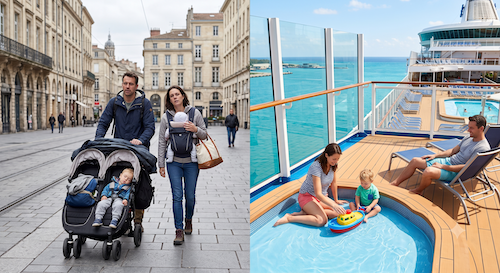
Both can make for a brilliant few days away, but they're quite different experiences underneath. A city break tends to mean picking one base and exploring outward from it, whereas a cruise bundles your travel, bed, meals and entertainment into a single package. Which suits you better really comes down to your child's age, your own tolerance for planning, and how much you want your days structured for you.
Getting there without a meltdown
Travel itself is often the trickiest bit. Long transfers, airport queues and having to change transport several times can be a nightmare with a toddler who needs snacks, naps and regular breaks on demand.
City breaks usually mean sorting out transfers between the airport, your accommodation and whatever you want to see, which can involve buses, taxis or trudging through busy streets with a pushchair and an armful of bags.
A cruise works a bit differently, since you unpack once and your room travels with you. For parents who'd rather not shift between hotels or lug suitcases about mid-trip, that can take a fair bit of stress out of the equation.
Somewhere to call home for the week
With babies and toddlers, where you stay matters more than usual. You need space for nappies, spare clothes, toys and bedtime bits, plus somewhere comfortable to retreat to when the day's got too much.
On a city break, your hotel or apartment is your base, but you're likely to spend most of the day out and about, working activities around nap times and making sure you can nip back if things go wrong.
A cruise cabin stays the same throughout, so children get used to it fairly quickly. Having meals, entertainment and everything else close by, rather than needing to plan each part of the day from scratch, is something a lot of parents find genuinely easier.
Mealtimes with a fussy eater
Toddlers can be unpredictable at the best of times, and tracking down food they'll actually eat in an unfamiliar city takes effort.
City breaks give you the freedom to choose where and when you eat, which is handy if your child has particular dietary needs or you like trying different places. The trade-off is the time spent scouting out family-friendly spots.
On board a cruise, there's usually food available for most of the day, so you can fit meals around your child's routine rather than the other way round. That's useful when hunger or tiredness strikes without warning.
Keeping them entertained
City breaks can be brilliant for the grown-ups, with museums, parks and sights to take in, but not everything on offer will suit a young child, and a packed sightseeing schedule can wear everyone out fast.
With a toddler, slower and shorter tends to work better: a couple of outings, plenty of breaks, and time just to play.
Cruises often come with pools, kids' clubs, play areas and family entertainment built in, so there's usually something to do without needing to leave the ship at all. That gives you options without the constant logistics of getting everyone out the door.
Sleep and sticking to a routine
Different beds and unfamiliar surroundings can throw sleep off no matter where you go. That's just part of travelling with small children.
City breaks can mean more adjustment, particularly if you're staying somewhere lively or trying to pack too much into each day. Choosing family-friendly accommodation and building in proper downtime helps.
Cruise cabins are usually smaller than a hotel room, and it can take a night or two to settle in, but having the same sleeping space for the whole trip tends to help once children get comfortable with it.
Bringing familiar bedtime things, keeping to normal routines as far as you can, and not overloading each day will make either type of holiday easier on everyone.
Working out the cost
City breaks can look cheap at first glance, but accommodation, meals, transport and days out add up quickly once you tot it all together.
A cruise often rolls several of those costs into one booking, which can simplify the budgeting side, though it's always worth checking what's actually included and what counts as extra, like excursions, drinks or travel insurance.
So, which is right for your family?
There's genuinely no single answer here. It comes down to your child's temperament, how you like to travel, and how much flexibility matters to you.
A city break tends to suit families who enjoy exploring and doing things independently. A mini cruise might appeal more if you want a change of scenery without having to plan every hour yourself.
Either way, the real aim with young children is a slower pace and realistic expectations, not trying to cram everything in. Do that, and you've got a good chance of a holiday everyone actually enjoys.