Little Legs, Big Balance: Introducing Toddlers to Inline Skating Safely
Encouraging toddlers to explore new activities can pave the way for a lifetime of active play and self-confidence. Inline skating is emerging as a popular option for young children, providing an ideal blend of physical exercise, coordination development, and pure fun. As parents seek out enjoyable outdoor pursuits, the appeal of gliding along local parks and pavements on tiny skates is hard to ignore. This article examines the benefits and practical steps to ensure a safe and delightful introduction to inline skating for young children.
The Benefits of Early Physical Activity Through Inline Skating
Physical activity in early childhood is vital for developing muscle strength, balance, and overall coordination. Inline skating encourages toddlers to engage in movement that improves their motor skills while stimulating both physical and cognitive development. Regular outdoor exercise can also enhance a child’s mood, foster social interaction, and promote family bonding during shared activities. In today’s busy environment, finding activities that balance health, fun, and learning is essential.
Integrating inline skating into a toddler’s routine not only boosts physical strength and balance but also aids in building self-esteem. Children who learn new skills tend to be more resilient when faced with challenges. It is important, however, for parents or caregivers to choose appropriate training methods and provide the right equipment to ensure the learning process is safe and engaging.
Choosing the Right Equipment for Little Skaters
Investing in well-fitting and protective gear is the first step in ensuring a successful introduction to inline skating. The market offers a variety of options designed specifically for young children, from adjustable skates to padded protective gear for the knees, elbows, and wrists. High-quality equipment can make the difference between a safe first experience and a discouraging setback.
For instance, selecting sturdy yet comfortable inline skates for children can help maintain the proper balance and control needed for beginners. Parents should consider models that are specifically designed to support little feet and can be adjusted as the child grows. Many retail shops now offer skates made with lightweight materials and enhanced support systems that provide the calm confidence required during early attempts at gliding. One product available online exemplifies this balance by incorporating extra stability without compromising on comfort, as demonstrated by inline skates for children.
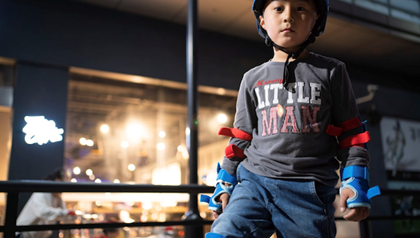
Besides selecting the appropriate skates, securing proper protective gear is non-negotiable. Helmets that fit snugly and pads that cushion falls are fundamental in reducing the risk of injury while allowing toddlers to experiment and improve their balance.
Essential Safety Measures for a Confident Start
While inline skating is an exciting prospect, safety remains paramount in every step of the learning journey. Establishing a controlled environment for initial practice is crucial. Quiet, smooth surfaces away from heavy traffic and other hazards make ideal settings for toddlers to get accustomed to the sensation of gliding. Many local parks and community centres offer designated areas that ensure both safety and enjoyment.
Before stepping onto skates, ensuring that the child understands simple safety rules can help build a sense of responsibility and caution. Caregivers should supervise closely, provide hands-on support, and celebrate small milestones, thus encouraging persistence and reducing the fear of falling. Some beginners find that using training wheels or stabilizers during initial learning phases can make a significant difference in building their balance.
In addition, it is wise to plan for gradual transitions from assisted steps to independent skating. Parents may start with short and frequent sessions, always emphasizing the importance of safety over speed or distance. Regular breaks and reassurances not only preserve energy but also help maintain a positive, low-pressure environment.
Tips for a Smooth Introduction to Inline Skating
Teaching toddlers a new physical skill requires patience and fun. Starting with a short demonstration of how to stand, balance, and move slowly on skates can make the experience feel less intimidating. Many community groups arrange mini-lessons where peers learn together, fostering both social interaction and healthy competition.
Practical advice includes focusing on one skill at a time. For example, parents might initially encourage children to simply practice standing in a stationary position before moving on to gliding steps. Complementing these early efforts with interactive games, such as gently chasing a ball or racing against a parent on a straight path, can transform practice sessions into moments of playful discovery.
Monitoring weather conditions and ensuring that surfaces are dry further reduces the risk of slips or falls. In colder regions, the right balance between warm clothing and freedom of movement is critical. Each family should tailor the practice session to the individual child's pace, ensuring no one is pushed too quickly into more advanced techniques.
Encouraging a positive mindset by valuing effort over speed and technique is essential for sustained enthusiasm. When toddlers learn that falling is a natural part of the process, their resilience grows and their enjoyment of the activity increases. Inline skating, when approached with care and preparation, can become a fun family tradition that improves not only physical fitness but also social skills and perseverance.
As local activities continue to diversify, inline skating stands out as an engaging way to introduce toddlers to an active lifestyle. With proper equipment, safe practice spaces, and patient guidance, tiny skaters can develop both physical strength and self-assurance, laying a solid foundation for future adventures.