Keep the Comfort: Saving Money Through Home Energy Efficiency
Rising energy bills can put a real strain on family budgets, especially when you're managing the costs of young children. The good news is that making your home more energy efficient doesn't mean sacrificing comfort or warmth. With a few thoughtful changes, you can create a cosy environment for your little ones while keeping more money in your pocket.
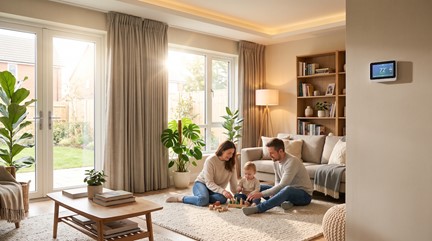
Understanding Where Your Money Goes
Most families don't realise how much energy they use simply keeping their homes comfortable. Heating accounts for a massive chunk of household energy consumption, particularly during winter months when you need to maintain a warm environment for babies and toddlers. Hot water is another major expense, and with young children requiring frequent baths, washing clothes regularly, and sterilising bottles, these costs add up quickly.
Lighting, appliances, and electronics also contribute to your overall energy spend.
When you're up during the night with a restless baby or entertaining energetic toddlers throughout the day, lights and devices tend to stay on longer than they might in a child-free household.
Simple Changes That Make a Real Difference
Heating Smarter, Not Harder
You want your home warm enough for safe nappy changes and comfortable floor play, but you don't need tropical temperatures throughout the entire house. Focus your heating where your family spends the most time. A programmable thermostat allows you to set different temperatures for different times of day, reducing heating when everyone is asleep under warm blankets.
Consider lowering your thermostat by just one degree. This small adjustment often goes unnoticed in terms of comfort but can reduce your heating costs noticeably over time. For families with young children, maintaining a consistent temperature of around 18-20 degrees Celsius in living areas provides adequate warmth without excessive energy use.
Draught-proofing is especially effective in older homes, where even minor gaps around windows and doors can account for 10-15% of heat loss. Check around windows, doors, and letterboxes for cold air sneaking in. Simple foam strips or brush seals are inexpensive and easy to install. You'll feel the difference immediately, and your heating system won't have to work as hard to maintain comfortable temperatures.
Hot Water Without the Waste
Young families use considerable amounts of hot water, but there are ways to reduce waste without compromising hygiene or comfort. Insulating your hot water cylinder with a jacket can keep water hot for longer, meaning your boiler doesn't need to reheat as frequently. Similarly, insulating exposed pipes prevents heat loss as hot water travels through your home.
Have a look at your boiler's temperature setting. Water heated to 60 degrees Celsius is hot enough for household needs and kills bacteria, but anything higher simply wastes energy. When bathing young children, you'll need to add cold water anyway, so there's no benefit to heating water to excessive temperatures.
Fixing dripping taps promptly saves both water and the energy used to heat it. A tap dripping hot water wastes energy continuously, and over weeks and months, this can cost you several pounds on your energy bill.
Insulation Is Your Best Investment
If you can only make one major improvement to your home's energy efficiency, insulation should be it. Proper insulation keeps warmth inside during winter and prevents overheating in summer, creating a stable environment that's ideal for young children.
Loft insulation is typically the most cost-effective upgrade. Heat rises, so without adequate insulation in your roof space, you're essentially heating the sky. Modern insulation standards recommend at least 270mm of loft insulation, but many homes have far less, or none at all.
Cavity wall insulation is another worthwhile investment if your home has unfilled cavity walls. The process involves injecting insulation material into the gap between your inner and outer walls, dramatically improving your home's ability to retain heat.
For solid-walled properties, internal or external wall insulation can be more expensive but still delivers substantial savings over time. These improvements also make your home more comfortable, eliminating cold spots and reducing condensation that can lead to mould growth.
Appliances and Everyday Habits
Choosing Efficient Appliances
When appliances need replacing, look for the highest energy rating you can afford. Modern washing machines, tumble dryers, and refrigerators are far more efficient than older models. Whilst the upfront cost might be higher, the energy savings accumulate month after month.
For families with young children, a washing machine is essential equipment. Washing at lower temperatures (30 degrees instead of 40) works perfectly well for most loads, particularly with modern detergents designed for cooler washes. This simple switch reduces the energy needed to heat water.
If you use a tumble dryer, clean the lint filter after every load. This helps the dryer work more efficiently and dry clothes faster. Better yet, when weather permits, hang clothes outside or use an indoor drying rack. Fresh air is free, and sunshine naturally sanitises fabrics.
Lighting That Works for Your Family
LED bulbs use a fraction of the energy that traditional incandescent bulbs consume and last for years. They're particularly worthwhile in areas where lights stay on for extended periods, such as hallways, kitchens, and children's rooms. The initial cost is higher, but you'll recoup this quickly through lower electricity bills.
Night lights for children's rooms are convenient for night-time feeding and nappy changes, but choose LED versions with timers or motion sensors to avoid leaving them on unnecessarily.
Renewable Energy Options
Beyond reducing energy consumption, generating your own power offers long-term financial benefits, and installing solar panels in your home can also positively impact your savings, particularly as energy prices continue to rise. Solar water heating systems are another option, using the sun's energy to heat water for baths, washing, and general household use.
These technologies require upfront investment, but various financing options and government schemes can help make them more accessible. For young families planning to stay in their home for many years, the cumulative savings can be substantial.
Windows and Doors
Double glazing significantly reduces heat loss compared to single-pane windows. If replacing all your windows isn't feasible, secondary glazing offers a more affordable alternative that still improves insulation considerably.
Heavy curtains or thermal blinds provide an extra barrier against cold, particularly during night-time hours. Close them at dusk to trap warmth inside. During sunny winter days, open curtains on south-facing windows to allow free solar heating.
Making It Happen on a Family Budget
Energy efficiency improvements don't need to happen all at once. Prioritise changes that offer the best return on investment for your specific situation. Some measures, like draught-proofing and switching to LED bulbs, cost very little and deliver immediate results.
For larger projects, research available grants and support schemes. Various programmes exist to help families improve home energy efficiency, sometimes offering free or subsidised insulation and heating upgrades.
Track your energy usage before and after making changes. Many energy suppliers provide detailed breakdowns of consumption, helping you see where your efforts are making the biggest difference. This information keeps you motivated and helps identify areas for further improvement.
Creating an energy-efficient home benefits your family's finances whilst providing a comfortable, healthy environment for your children. Every small change contributes to lower bills and a warmer home, giving you more resources to spend on what matters most to your growing family.