Is Your Bathroom Really Child-Friendly? Small Mould-Prone Spots Parents Often Miss
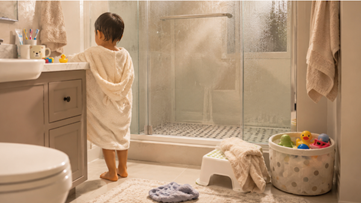
Bath time with young children is rarely calm.
The mirror fogs up. Bath toys end up everywhere. Your child is on the step stool brushing their teeth, and while you turn around to grab pyjamas, one small hand is already reaching for the edge of the shower screen.
A few seconds later, those same fingers may be near their mouth.
That is how young children explore. They touch the bath edge, the glass screen, the mat, the toys - whatever is close by. So in a family bathroom, cleanliness is not only about whether the room looks tidy. It is also about the small areas that stay damp, collect residue, or slowly change over time.
Shower screen seals, bath mats, shower curtains, bath toys and silicone joints are easy to overlook. But they can make a big difference to how fresh and easy to maintain a bathroom feels.
Small changes are worth noticing
Bathroom mould rarely appears all at once.
At first, you may notice a little limescale around the glass. Then a clear strip starts to look cloudy. Later, the corners turn yellow or develop small dark marks that return after cleaning.
It is easy to dismiss this as normal wear. Bathrooms are wet places, after all. But when materials become harder, rougher, sticky, discoloured or difficult to wipe clean, they may need more attention.
Shower screen seals are a good example. They sit low down, close to a child’s height, and are exposed to steam, soap, shampoo and cleaning products. To an adult, an old seal may just look a little tired. To a child, it may be something they lean on, touch after bath time, or brush against while playing.
If a seal feels rough, stays damp along the glass, or has dark marks that keep coming back, it may be time to clean it properly - or replace it.
Mould prevention starts with drying things well
A stronger cleaner is not always the answer.
Many heavy-duty bathroom cleaners have sharp smells and harsher ingredients. Used too often, they can also be tough on plastic parts, shower curtains, flexible seals and children’s bath toys.
A better first step is to stop moisture sitting around for too long.
After baths and showers, leave the extractor fan running or open a window. Wash bath mats and non-slip mats regularly, then dry them properly. When the weather allows, let them air in the sun.
Bath toys need the same care. Do not leave them sitting in a damp pile for days. Toys with small holes can trap water inside, so squeeze them out, rinse them and let them dry somewhere airy.
If you use a shower curtain, pull it open after use and wipe water from the bottom edge. If you have a shower screen, a quick wipe along the glass edge and seal can make a real difference. It takes less than a minute and is much easier than dealing with settled-in marks later.
Don’t choose bathroom fittings on price alone
Most parents check materials when buying children’s plates, toys or bedding. Bathroom fittings often get less attention. If they fit and look affordable, they go straight into the basket.
But small bathroom parts live in a tough environment. They deal with steam, water, temperature changes and cleaning products. The material matters.
PVC is commonly used in bathroom seals because it is flexible, water-resistant and easy to shape. Parents do not need to decide whether PVC is simply “good” or “bad”. Better questions are:
Does the product explain what it is made from?
Is it suitable for a damp bathroom?
Does it have a strong smell?
Are there real photos and clear sizing details?
Is there any relevant testing or compliance information?
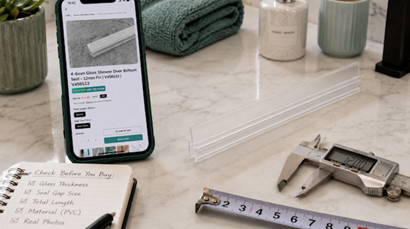
For example, if the seal around your shower screen has become yellowed, stiff or prone to dark marks, do not just choose the first part that looks similar. A shower screen seal strip sits directly on the glass edge and stays in a damp bathroom, so glass thickness, seal shape, PVC material details and product photos all matter.
One more thing: check whether you are looking at a real product photo or only a computer render. Many seals look similar online, but the real thickness, clarity, shape and flexibility can vary. Clear photos and proper measurements make it much easier to choose the right part.
Material information should be easy to find
Terms like REACH, SVHC and test reports can sound technical. Most parents will not want to read every detail, and they should not have to.
Still, it is helpful when a product page clearly explains the material, where the item is intended to be used, and whether any relevant testing has been carried out. Some specialist suppliers, including SIMBA Seals, show SVHC / REACH-related material information on their product pages. The point is not to turn parents into materials experts. It is simply to make the buying decision clearer.
No test report should be treated as a promise that a product is perfect for every home. Smell, cleaning, durability and real-life use still matter. But if a product explains very little, that is useful information too.
Is it dirty, or is it time to replace it?
Small bathroom parts rarely fail overnight. They usually fade, stiffen or become harder to clean.
A quick check is enough: look, smell and touch.
If a clear material has yellowed or darkened, or if black marks keep returning around the edges, it may be more than ordinary water staining. If a musty smell lingers after cleaning, or a new plastic item has a strong smell that does not fade, be cautious. If a flexible part has become hard, sticky, rough or cracked, it is probably no longer easy to keep clean.
If it is only surface limescale and the material still feels smooth and flexible, cleaning may be all it needs. But if the same area keeps developing marks, or the part has clearly aged, replacing it can be less effort than scrubbing it again and again.
Small habits make family bathrooms easier
You do not need a renovation to make a bathroom more practical for children.
Ventilate after bath time. Dry mats properly. Empty and air out bath toys. Pull shower curtains open. Wipe the bottom edge of the shower screen when you remember. Check seals and silicone joints now and then, especially where children stand, play or brush their teeth.
A family bathroom does not need to be spotless. It just needs to be manageable: drier where possible, easier to clean, fresher-smelling, and made up of fittings you understand well enough to trust.
Sometimes that starts with something as simple as checking an old shower screen seal, wiping away water before it sits too long, or choosing a replacement with clearer material information. Small details, but useful ones.