How to Recognise Common Dental Concerns in Young Children
Spotting dental concerns early in young children can make a lasting difference to their comfort and health. Early recognition helps prevent problems that might affect eating, sleeping, speech, and confidence. Understanding what’s typical and when to seek help supports parents in caring for their children’s smiles from the start.
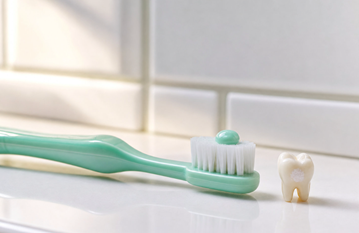
Parents of babies, toddlers, and preschoolers soon realise that dental health is a key part of everyday life, from comfortable eating to developing clear speech. Knowing what is typical can help families feel confident about normal teething patterns and notice when something seems unusual. While treatments such as veneers in London are usually for adults, the key point for parents is that early, informed attention to concerns lays the groundwork for healthier outcomes as children grow.
Understanding typical dental development in children
Most young children start teething at around six months, with first teeth usually coming in at the bottom front. The timing and order of new teeth can vary widely, so differences between children are usually not a cause for concern.
Spaces between the first teeth are normal and help make room for adult teeth that arrive later. Even when teeth seem late or unevenly spaced, these changes often resolve on their own as children’s mouths grow, as long as there are no other issues.
Early decay, trauma, and enamel appearance
Tooth decay can occur even in baby teeth and might first look like dull white spots or brown areas near the gumline. Sensitivity to brushing, small visible holes, or changes in colour are also signs to look for during regular tooth cleaning.
Children who have frequent sugary drinks or snacks, especially from bottles or sippy cups, are at greater risk of tooth decay. Brushing twice a day with an age-appropriate brush and toothpaste is helpful for prevention. Sometimes, dental injuries happen from falls or bumps; while obvious chips or knocked teeth are easy to spot, gradual colour changes after a knock (such as greyish teeth) may happen over time. If you notice sudden pain, swelling, colour changes, or damage, it is best to seek advice from a dental professional.
Alignment, habits, and the role of early intervention
Watching how children’s upper and lower teeth come together can help parents spot early bite problems, such as crossbites, overbites, or underbites. Signs might include the front teeth sticking out, not lining up, or meeting unevenly.
Frequent thumb or finger sucking, and prolonged use of dummies (pacifiers), can sometimes affect jaw shape or how teeth line up. Stopping these habits early, with patience and reassurance, can reduce the likelihood of lasting changes to tooth position or jaw growth.
Discolouration, daily care, and warning signs to watch for
Many types of stains in young children are harmless and come from foods or drinks. Good brushing routines usually keep these under control. If you notice spots that persist or teeth that feel rough or chalky, it may be an early sign of enamel issues or dental disease, and a dental check-up is a good idea.
Help your child by brushing twice daily with the right amount of fluoride toothpaste, and use a soft-bristled brush with gentle pressure to protect delicate enamel. Watch for symptoms such as pain, swelling, ongoing bleeding, changes in how teeth fit together, injuries, or teeth that are not appearing as expected for their age, as these may need a professional opinion. Many families choose to see a weybridge dentist or another family-friendly practice if they are unsure whether changes are normal. Daily care, balanced eating, and positive early dental visits help set children up for long-term dental health and confidence.
By noticing changes early and keeping up regular care, parents can help prevent small problems from becoming bigger dental health issues for their children as they grow.