How to Rebuild Your Family Dynamic During and After Rehab
Addiction affects far more than the person using drugs or alcohol. The behavioural changes brought on by substance use alone can have a huge impact on family dynamics, and that’s before the kinds of issues that typically come along with addiction. Frequent arguments and a lot of broken trust are typical symptoms of addiction within a family, and these can leave big scars, even once the addict enters recovery. For many people in recovery, shame and disgust at how their family suffered while they were in active addiction can be crippling, but it’s not impossible to repair family dynamics and regain the trust of your loved ones both during and after rehab. Here’s how:
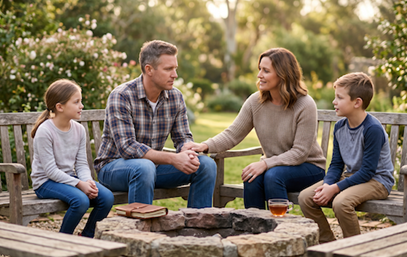
Understand What Addiction Has Done to the Family
Family relationships often change significantly during active addiction. Parents may spend years worrying about the next crisis. Partners may grow resentful after repeated lies or broken promises. Children may lose confidence in the adults around them. And the addict themselves may battle damaging cycles of shame and desperation that deeply impact their ability to function as part of a family. Fully understanding the impact of addiction on your family is the first step to tackling it. This is why addiction experts like PCP Cardiff encourage addicts to look the impacts of their addictive behaviours full in the face and gain a thorough understanding of them before attempting to repair anything.
Use Family Therapy If It Is Available
Many treatment providers include family therapy as part of the recovery process. Family therapy gives affected family members an opportunity to discuss issues that might be difficult to raise in ‘normal’ domestic situations. It also gives everyone a chance to speak in a structured environment rather than during arguments at home. Giving everyone a chance to be heard and understood can be extremely validating and beneficial, and ultimately makes sure that no unprocessed emotions fester ‘under the carpet’, so to speak.
Family therapy can be challenging. It’s likely that everyone involved, not just the person in recovery, will hear some harsh truths and have their perceptions challenged. However, in the right, structured setting, this can bring people closer together rather than driving wedges.
Start Having Honest Conversations
Many families develop unhealthy communication habits during addiction. It’s often easier for people to hold their tongues and ignore any elephants in the room than it is to challenge someone in active addiction, or to confront truths about the family dynamic. Alternatively, family members may develop an aggressive, confrontational communication style that rarely achieves anything productive. Unfortunately, this kind of evasive or explosive communication is no good for family relationships in the long term, and can have a bad impact on the development of very young children.
Rebuilding family relationships during recovery often involves relearning how to talk to one another. A family therapist can help a lot with this, but if you’re struggling to establish an open, honest, and conflict-free mode of communicating, it may be worth looking for a therapist or course that specialises in meaningful communication skills.
Accept That Trust Takes Time
Trust is usually one of the last things to return. Family members who have experienced repeated dishonesty, broken promises or financial problems may be reluctant to trust again immediately. This can be hard for the person in recovery to accept - but it’s important to understand that loved ones usually have good reasons to be wary of trusting again, and to respect those reasons.
Remember, trust is rebuilt through actions rather than promises. Consistency over time is usually far more important than anything said during a single conversation.
Make Amends Where Appropriate
Many recovery programmes encourage people to acknowledge the impact their addiction had on others. A true and genuine apology can be an important step. So can accepting responsibility for specific actions and taking practical steps to address the consequences where possible.
Remember, not every relationship can be repaired immediately, and some family members may need more time than others. Respect that, and give them the time they need. You can’t force this kind of thing.
Create a More Stable Home Environment
Recovery is a lot easier in an emotionally stable household where expectations are clear and communication is straightforward. Creating that kind of stability isn’t always easy, but it often helps to set boundaries, firmly agree on responsibilities, and address problems that arise directly and maturely rather than allowing them to build up over time.
Maintain Support After Rehab
Many families put enormous effort into treatment and then assume the difficult part is over once rehab ends. However, recovery is an ongoing process and, for many, the real work begins after discharge. Ongoing counselling, support groups and regular check-ins can help families deal with new challenges as they arise.
Family relationships damaged by addiction are rarely repaired in a matter of weeks. Most families rebuild trust gradually through consistent behaviour, honest communication and continued effort from everyone involved. It takes time, but it’s worth it.