How to Prevent Early Childhood Cavities Through Diet and Daily Habits
Tooth decay can start as soon as the first teeth emerge, so prevention matters for babies, toddlers, and pre-schoolers. Daily eating and brushing routines play a key role in your child’s dental health. Parents can make practical changes to help protect against early childhood cavities and encourage lifelong healthy habits.
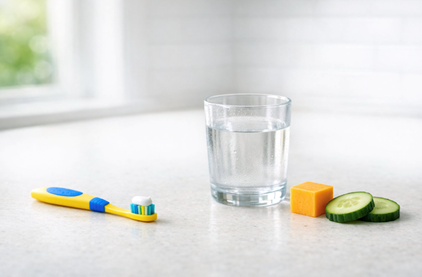
Dental issues can affect children from the beginning, with even baby teeth at risk for early cavities caused by frequent snacking or sugary drinks. Advice from a dentist Saffron Waldon can help parents understand preventative routines for young children. Good habits established in the early years help lay the foundation for healthy adult teeth and general well-being. Daily routines and simple diet changes can reduce the overall risk of tooth decay. Proactive care during these early years supports better outcomes as children grow.
Why early tooth decay is a concern for children
Cavities are not limited to adult teeth. Baby and toddler teeth have thinner enamel, making them more susceptible. Tooth decay can develop quickly in young mouths, causing discomfort that may lead to missed sleep or interruptions in eating and speech.
Daily habits established early can make a difference. Regularly having sugary foods and drinks feeds the bacteria responsible for tooth decay and increases the risk of enamel damage. Setting up solid dental routines can help reduce the risks of dental pain or more invasive treatment.
Feeding choices and drinks for healthy teeth
Milk and formula are important for babies, but they can increase decay risk if given at bedtime once teeth have emerged, particularly if children fall asleep with a bottle. Allowing sugars to remain on the teeth overnight can raise the risk of cavities as children grow. Offering water between meals helps rinse away food particles and supports young teeth as solid foods become part of their diet.
Juice, squash, and other sweetened drinks can contribute to cavities if consumed often. Diluting fruit juice and offering it only at mealtimes can reduce the impact on teeth. Avoiding sugary drinks in bottles helps limit prolonged sugar exposure on tooth surfaces, which is especially important in early childhood.
Smart snack and meal routines for dental health
How often children have snacks can be just as important as how much sugar they eat. Grazing throughout the day provides ongoing fuel for bacteria that cause cavities. Spacing snacks and keeping them to set times allows the mouth to recover in between.
Choosing snacks like cheese, plain yoghurt, raw vegetables, or oatcakes supports dental health. Sugary treats and dried fruits are better kept to mealtimes, when extra saliva helps neutralise acids. A combination of tooth-friendly snacks and fewer grazing opportunities can lower the risk of cavities for toddlers and young children.
Daily brushing routines and fluoride protection
Brushing should begin with the first tooth, using a soft brush and a small amount of age-appropriate fluoride toothpaste. Brushing twice daily, particularly before bed, removes plaque and applies fluoride for stronger enamel. Supervised brushing is important in the early years to ensure a thorough clean as children develop independence.
Brushing can become more consistent by linking it with daily routines, such as after bathtime or before bedtime stories, or by using a timer. Parents should use only a small smear of toothpaste, avoid rinsing after brushing, and supervise until children can spit on their own. These routines help make the most of fluoride’s benefits and support healthy baby teeth.
When to seek advice and easy changes to try
Look out for early warning signs like white spots near the gums, sensitivity to temperature, ongoing bad breath, or brown marks that do not wipe away. These may signal the beginning of tooth decay and should be assessed by a dental professional.
You can help protect your child's teeth by swapping sugary drinks for water, planning snack times, supporting tooth brushing, and choosing cheese or vegetables between meals, turning to a dentist in Loughborough if you have questions or concerns. These simple, manageable changes can support your child’s dental health and help reduce the likelihood of dental problems later.