How to Make Your Child’s First Dental Visit a Positive Experience
Scheduling your child’s first dental appointment can feel daunting, but early care sets the foundation for lifelong oral health. A positive first experience reduces anxiety and helps encourage good dental habits as your child grows. With thoughtful preparation and awareness of what to expect, you can help your child feel calm and confident when visiting the dental practice.
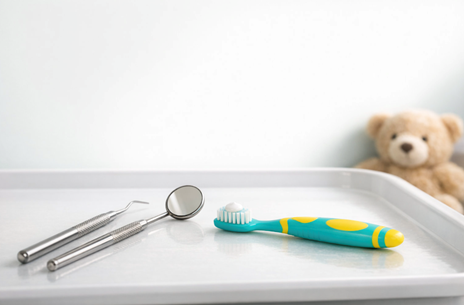
Parents want to build strong foundations for their children’s health, and dental care is an essential part of this process. Booking an early visit with a dentist in the city of London can ease worries and connect your child with healthy routines from the first tooth. Knowing how to prepare, what to expect, and how to support your child during the appointment makes the first experience more reassuring. This guide sets out practical steps for making the event less stressful for both parent and child, while helping to create a positive approach to future appointments.
Why timing matters for early dental care visits
Dental guidance typically recommends arranging a first dental appointment by your child's first birthday or once their first tooth appears. This early start allows any dental concerns to be identified quickly and helps parents adopt suitable oral hygiene routines from the beginning.
Some parents may book an earlier appointment if their child has issues such as tooth discolouration, sensitivity, or mouth pain. Scheduling a check-up before any problems arise helps introduce a positive dental routine, while visits that focus on problems may be less relaxed introductions to dental care.
Early dental visits also provide an opportunity for parents to learn about developmental milestones related to oral health. The dentist can explain what to expect as more teeth emerge, discuss teething symptoms, and address concerns about tooth spacing or alignment. Establishing this relationship early means you have professional support throughout your child's dental development, rather than waiting until a problem arises. Regular monitoring from an early age allows the dental team to track growth patterns and intervene if necessary, potentially preventing more complex treatments later. This proactive approach helps parents feel more confident in managing their child's oral health and creates a partnership with the dental practice that benefits the whole family.
Preparing your child for their initial appointment
Talking about the dentist in simple, age-appropriate terms can help your child know what to expect. For example, you could say the dentist will count their teeth and look at their smile, using straightforward language to keep things clear but not overwhelming.
Role-play at home, like practising “open wide” or counting teeth together, gives your child an idea of what may happen during the appointment. Try not to use phrases that might trigger fears or give unrealistic assurances, as these can unintentionally create worry if things go differently on the day.
What parents should bring and expect on the day
Booking the appointment for a time when your child is rested and not hungry can improve their mood and willingness to cooperate. Bringing a favourite cuddly toy or comfort blanket may provide reassurance and help distract your child in the waiting area or chair, especially if they seem nervous.
It is helpful to have information about your child’s daily routines—for example, what they eat, their brushing schedule, and if they use a dummy or suck their thumb. Many parents find that, with dentist Harley Street often highlighting the value of a relaxed approach, this allows the dental team to give individual advice tailored to your child’s needs.
What happens during and after the first dental visit
On a first visit, the dentist will usually do a gentle examination, counting teeth, checking the gums, and looking for signs of decay or any developmental problems. The dentist often discusses brushing technique, the use of fluoride toothpaste, and healthy eating habits, so you receive advice that supports good dental care at home.
Afterwards, reinforcing a positive experience at home can strengthen your child’s sense of accomplishment. Praise your child’s bravery and keep dental routine consistent to help them gain confidence for future appointments. If you notice ongoing pain, worrying discolouration, or injuries in your child’s mouth, it is important to seek a follow-up as early as possible; prompt attention often leads to better outcomes.