How to Keep Your Baby Nursery Fresh: Practical Odour Control and Hygiene Tips for UK Parents
Welcoming a newborn brings immense joy, countless cuddles, and a fair few adjustments to your daily household routine. Among the many practical challenges new parents face, maintaining a pleasant, hygienic environment in the baby's room often takes centre stage. Even with the best intentions, managing used nappies, damp muslins, and changing essentials in a compact UK bedroom or flat requires thoughtful planning. Alongside wipes, spare baby grows, and a washable changing mat, a well-positioned nappy bin can make everyday changes much easier to manage while keeping ambient room odours under control.
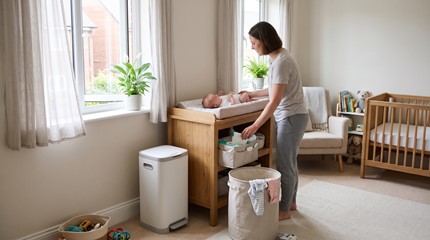
Achieving long-lasting freshness is rarely about relying on a single quick fix. Instead, it involves combining smart room ventilation, a well-organised changing station, and consistent waste management habits. Whether you are setting up your very first nursery or looking to refine an existing routine, here is a practical guide to keeping your baby's room fresh, clean, and welcoming throughout the day.
Understanding Nursery Odours and Daily Ventilation
Every home has its own unique microclimate, and UK houses, ranging from traditional Victorian terraces to modern, airtight apartments handle moisture and airflow differently. In a small nursery, stale air and lingering odours can accumulate quickly if natural ventilation is overlooked.
The Importance of Morning Airing
Making it a habit to throw open the nursery window for just five to ten minutes each morning can make a remarkable difference. Fresh air helps dissipate residual moisture from overnight room humidity and clears out overnight staleness. Of course, British weather can be unpredictable, so timing matters. During colder months, airing the room briefly while you take your baby down for their morning feed prevents the room temperature from plummeting while still refreshing the indoor air.
Managing Room Humidity
Babies generate a surprising amount of laundry, from dribble-soaked vests to bath towels. Drying damp baby clothes on radiators inside a closed nursery can spike humidity levels, creating a stuffy environment that holds onto odours more stubbornly. Where possible, dry laundry in a well-ventilated utility area or use a heated drying rack in a larger living space rather than sealing damp items inside the baby's bedroom.
Setting Up a Hygienic Nappy Changing Station
Where and how you organise your changing supplies plays a direct role in how easily you can maintain cleanliness. A cluttered changing table often leads to rushed changes, dropped wipes, and disorganised waste disposal, which in turn increases mess and odours.
Zoning Your Changing Area
* Immediate Reach: Keep everyday essentials—nappies, cotton wool, barrier cream, and a change of clothes—within arm's reach so you never have to leave your baby unattended on the table.
* Waste Management Placement: Position your waste disposal unit right beside or immediately underneath the changing surface. Minimising the distance a used nappy travels reduces the likelihood of drips or lingering smells in the air.
* Surface Hygiene: Choose storage caddies and changing mats that wipe down easily with mild, baby-safe disinfectant sprays at the end of each day.
When assessing your options for managing nursery waste, choosing the right equipment is essential for everyday convenience. When searching for a sturdy diaper disposal bin, it helps to look for models that offer reliable odor-containment mechanisms, such as multi-layer seals, alongside a standing-height design that allows for effortless one-handed disposal while you keep a steady hand on your baby.
Smart Waste Management and Bag Maintenance
Even the most organised changing station will struggle if waste management routines lapse. Newborns can go through ten to twelve nappy changes a day, meaning waste accumulates at a rapid pace.
Frequency of Emptying
While modern disposal systems are designed to lock away unpleasant odours, leaving waste to sit until the container is completely overflowing can overwhelm even the tightest seals. In a busy household, emptying the main nursery waste unit every two to three days or sooner if it contains particularly heavy waste, prevents odours from settling into nearby carpets and curtains.
Bag Compatibility and Sealing
Many households look for versatile solutions that accommodate standard bin bags rather than locking them into expensive proprietary refills. Ensuring your bags are tied securely before taking them out to your main household wheelie bin prevents leaks and keeps your indoor containers clean. If you notice any residue building up inside the unit during bag changes, a quick wipe down with warm soapy water and a mild antibacterial spray will keep the inner chamber fresh.
Establishing a Simple Daily and Weekly Cleaning Routine
Consistency is the secret to a perpetually fresh nursery. Breaking your cleaning tasks into manageable daily and weekly habits prevents chores from piling up.
Daily Resets (Under 5 Minutes)
1. Clear the Surface: Return stray creams and lotions to their caddies.
2. Sort Laundry: Toss soiled clothes straight into the laundry basket rather than leaving them draped over chairs.
3. Quick Wipe: Run a damp cloth over the changing mat surface after the final bedtime change.
Weekly Deep Cleans
Once a week, take a few extra minutes to thoroughly refresh the space:
* Vacuum or mop under the cot and changing unit where dust bunnies and stray talcum powder tend to gather.
* Wash washable changing mat covers, cot sheets, and soft toys according to manufacturer guidelines.
* Inspect your nappy disposal unit, give the exterior a wipe, and ensure the sealing mechanisms are functioning smoothly.
Conclusion
Creating a fresh, clean, and calming nursery environment does not require complicated cleaning regimes or expensive chemical products. By combining regular room ventilation, a thoughtfully organised changing station, and consistent waste disposal habits, you can keep everyday odours under control effortlessly. A well-managed space not only smells pleasant for visiting family and friends but also provides a serene, comfortable sanctuary for you and your little one to enjoy through all the milestones of early childhood.