How to Create a Calm Space for Your Child at Home
Every child has days when the world feels too loud. Busy rooms, bright lights, and big feelings can pile up fast, and meltdowns often follow. A calm space gives little ones somewhere safe to reset, and it needs neither a big budget nor a spare room.
Why a Calm Space Helps
Children are still learning to manage their emotions. When feelings swell, a quiet spot lets bodies slow down, so thinking brains can catch up. Over time, regular visits teach kids to notice how they feel and what helps. Habits like these sit at the heart of supporting your child's mental health and wellbeing as a family.
Choose the Right Spot
Look for a corner away from the television and busy walkways. A bedroom nook, a space beneath the stairs, or a tucked-away end of the lounge all work well. Keep the area visible, because young children need to spot their retreat before they can use it.
What to Include
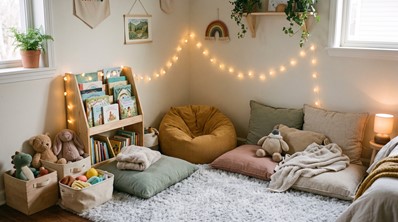
Keep the space simple. Too many toys turn calm corners into play zones. Instead, aim for these essentials:
1. Soft seating, such as a beanbag, floor cushions, or a small armchair.
2. Gentle lighting, such as a lamp or fairy lights in place of harsh overheads.
3. Cosy textures, including a blanket, a fluffy rug, and a favourite cuddly toy.
4. Quiet activities, such as picture books, colouring pages, or a sensory bottle.
5. A feelings chart with faces, so little ones can point to how they feel.
Seating deserves extra thought. Hospitals understand how much a chair affects mood, which is why they choose chairs designed for psychiatric hospitals to be sturdy, soft, and reassuring. At home, we can borrow that idea by picking a seat with rounded edges, a supportive back, and a stable base that cannot tip.
Introduce It Without Pressure
A calm space should never feel like a punishment. Instead, visit together during happy moments, read a story, and explain that anyone can use it. Children copy what they see, so when we retreat there ourselves, they learn that taking a break is healthy.
Parents need moments of calm too. Planning your own reset is easier with these strategies for managing stress and anxiety as a parent, which pair nicely with a family-friendly retreat.
Keep It Fresh
Review the space every few months. Swap books, wash blankets, and ask your child what they would like to change. Ownership increases the odds of regular use, particularly in busy households.
When to Ask for Help
Most children benefit from a quiet corner, yet some need extra support. If big feelings are frequent, last for weeks, or disrupt daily life, speak with your GP or health visitor. Early advice can make a real difference.
Final Thoughts
Calm does not require a makeover. A cosy corner, a few comforting items, and a gentle routine can give children tools for handling big emotions. Start small this weekend, and let the space grow with your family.