How To Choose Comfortable Accessories For Toddlers During Outdoor Play
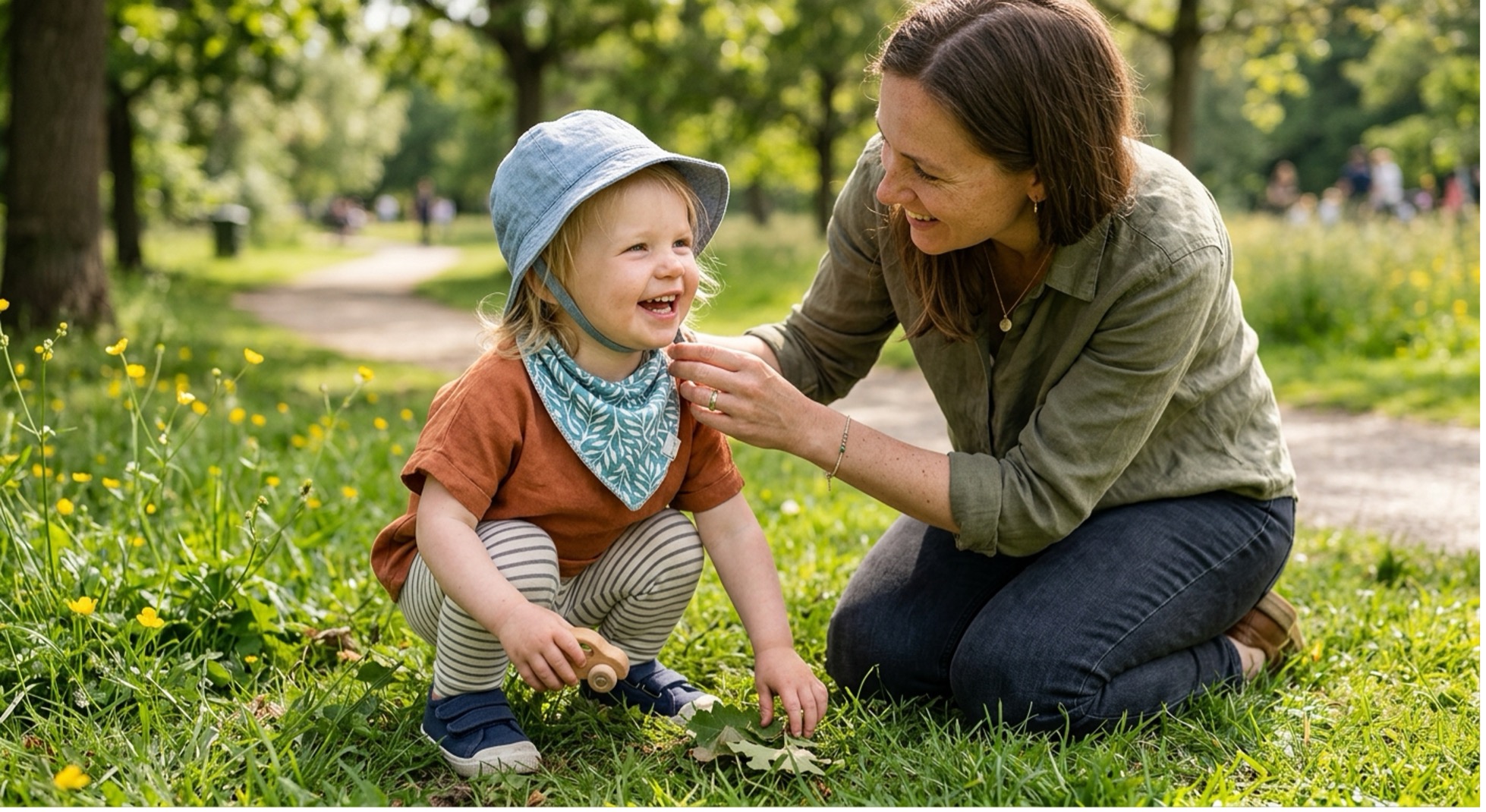
Going outdoors gives children the chance to run, climb and explore in ways they cannot always do at home. Whether it is a trip to the park, a family nature walk or time in the garden, outdoor play can encourage activity, curiosity and imaginative play.
When preparing a toddler for time outside, parents will usually think first about shoes, coats and weather protection. Accessories can be useful too, but comfort, practicality and safety should always come first. The right item should support a child's activity rather than distract from it.
Consider the Material First
Toddlers can have sensitive skin, so the material of any accessory is worth considering carefully. Fabrics should feel soft and comfortable rather than rough, stiff or scratchy.
Breathable materials can be particularly useful in warmer weather because they allow heat and moisture to escape more easily. Lightweight fabrics may also be more comfortable when children are running, climbing and playing.
Washability matters too. Outdoor adventures often involve grass, mud, sand, food and water, so accessories that are easy to clean tend to be more practical for everyday family life.
When choosing fabric items, consider how the material feels against the skin, how easily it can be washed and whether it is likely to remain comfortable after repeated use. Looking at the different fabric options used for products such as those available from 4inbandana can also help parents understand how materials vary, although softness, practicality and age-appropriate use should remain the priority.
Choose the Right Size and Fit
An accessory should fit comfortably without being too loose or too restrictive. Anything that constantly slips out of place may become distracting, while something too tight can quickly cause discomfort.
Toddlers are naturally active, so consider how an item behaves when the child bends, runs, jumps, climbs or sits down. If it needs frequent adjustment, it may not be the best choice for active play.
Children also grow quickly, so sizing should be checked regularly rather than assuming that something that fitted comfortably a few months ago still does.
Think About the Weather
Outdoor accessories should always be appropriate for the conditions.
On warm days, lightweight, breathable items are often most comfortable. Parents should also consider sun protection and avoid unnecessary layers that could contribute to overheating.
In colder weather, accessories may form part of a child's layers. The aim is to provide warmth without restricting movement.
Rainy and muddy days create different considerations. Washable, quick-drying items can be especially useful for children who enjoy puddles and messy outdoor play.
Thinking about the weather before leaving home can prevent discomfort later.
Prioritise Child-Friendly Designs
Safety should always come before appearance. Check items regularly for loose threads, rough edges, detachable pieces or signs of wear that could cause problems during active play.
It is also important to consider where the child will be playing. An accessory that feels perfectly comfortable on a walk may be less suitable for climbing equipment if it could catch on something.
Young children should always be appropriately supervised, and accessories should be checked regularly for damage.
Make Movement the Priority
Toddlers learn through movement. Outdoor play can involve running across grass, crawling, climbing, jumping and exploring uneven surfaces.
Accessories should therefore be as unobtrusive as possible. Bulky or badly fitting items can restrict movement or become a distraction.
A useful test is simply to watch the child. If they repeatedly pull at the item, try to remove it, complain about it or appear restricted while wearing it, another option may be more suitable.
The goal is for children to feel comfortable enough to focus on playing and exploring.
Consider Practicality for Parents
An item can be comfortable for a child but still impractical for everyday family life.
For regular trips to parks, playgrounds and outdoor activities, choose accessories that are easy to put on, remove, wash and store. Items that can withstand frequent cleaning are often more useful than those requiring special care.
Versatility can also be valuable. An accessory that works with several outfits or layers may prove more practical than something designed for only one occasion.
Match Accessories to the Activity
Different outdoor activities may call for different choices.
Lightweight accessories may be best for active trips to the park, while a nature walk might require something more suitable for changing weather. For messy play, washable materials can make life easier, and for longer family days out, comfort becomes especially important because children may wear an item for several hours.
There is rarely one accessory that works perfectly for every situation. The best choice depends on the child's needs, the activity and the weather.
Give Toddlers Some Choice
Toddlers often have strong opinions about what they wear. Where appropriate, this can be an opportunity to encourage a little independence.
Parents might offer two suitable options and allow the child to choose between them, perhaps selecting a favourite colour or pattern.
This gives children some control while allowing parents to maintain sensible boundaries around comfort, fit and practicality.
A Quick Check Before Leaving Home
Before heading outside, parents can quickly ask:
-
Is it comfortable against the child's skin?
-
Is it the correct size?
-
Does it allow free movement?
-
Is it suitable for the weather?
-
Are there any loose pieces, rough edges or signs of damage?
-
Can it be cleaned easily?
-
Will it remain comfortable during the planned activity?
A few simple checks can help prevent discomfort once the family is already out and about.
Final Thoughts
Choosing toddler accessories does not need to be complicated. Comfort, fit, safety, weather suitability and practicality are the most important considerations.
Rather than choosing something purely because of how it looks, parents can think about how it feels, whether it allows easy movement and whether it suits the activity.
After all, outdoor accessories should support a child's adventures, not get in the way of them.