How Smart Tech in the Classroom Could Mean More One-on-One Time for Your Little One
If you have a baby, toddler, or preschooler, the thought of them starting "big school" might feel like a lifetime away or it might be looming right around the corner. Either way, most parents share the same quiet worry when they think about Reception and beyond: With 30 children in a class, will my child actually get enough individual attention?
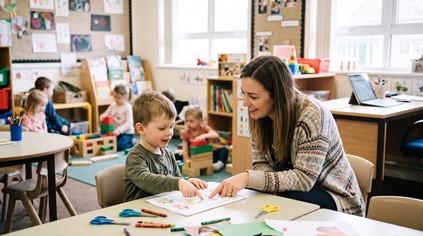
Between planning lessons, managing playtime, and keeping track of every child's progress, teachers have an enormous amount on their plate. Behind the scenes, a new wave of smart technology specifically AI (Artificial Intelligence) helper tools is starting to take over some of the heaviest admin work in schools. And for parents, the biggest benefit isn't about grades or test scores; it's about giving teachers their time and energy back to focus on your child.
Why Teachers Are So Stretched
Imagine trying to give detailed, thoughtful feedback to thirty children in a single class and doing it across multiple subjects every week. Even spending just a few minutes on each child's work adds up to hours of evening and weekend admin.
When teachers are exhausted from paperwork, it’s harder for them to stay energised for the things young children actually need: patience, creativity, and emotional support. Technology is stepping in to lighten that administrative load.
How AI Classroom Helpers Actually Work
While your toddler is currently mastering finger painting and building blocks, the classrooms they will eventually enter are using smart tools to handle routine marking and progress tracking. Platforms that let teachers Grade With AI work a bit like a super-organised teaching assistant.
It works a bit like a super-organised teaching assistant. A teacher uploads a piece of work which can even be a photo of a child's handwritten story or early maths worksheet and tells the tool what learning goals to look for. Within seconds, the tool highlights what the child did well and where they might need a gentle nudge, ready for the teacher to review.
What This Means for Your Child
For parents, the real magic of this technology comes down to three things:
* More time for play and care: Some teachers report saving up to 10 hours a week on paperwork. In the early years and primary school, that translates directly into more time spent reading stories on the carpet, helping a shy child settle in, or leading hands-on activities.
* Faster, gentler encouragement: Young children live entirely in the moment. If they practice writing their letters on a Monday, getting feedback a week later means very little to them. Faster tools mean teachers can celebrate their wins and help them fix small mistakes while the activity is still fresh in their minds.
* Fairness for every child: Humans get tired; technology doesn’t. Whether your child's work is the first one looked at or the very last at the end of a long Friday, these tools help ensure every child gets consistent, thorough attention.
Keeping the Human Touch
Understandably, many parents feel hesitant about technology creeping into early childhood. The good news is that these tools are designed to be assistants, never replacements.
A computer doesn't know that your child had a rough night's sleep, is nervous about a new baby sibling, or lights up whenever dinosaurs are mentioned. Teachers still review everything, add their own warm notes, and make the final call. The tech simply handles the repetitive admin so the human in the room can focus on being a teacher.
How Parents Can Use "Smart Helpers" at Home
You don't have to be a teacher to borrow a bit of this time-saving magic for life with under-5s. If you're curious about using AI as a gentle parenting helper without putting your little one in front of a screen here are a few easy ways to start:
* Turn "Why?" into storytime: When your toddler asks an impossible question about where rain goes or why dogs bark, ask a free AI tool to "explain how rain works in a 3-sentence bedtime story for a 3-year-old."
* Beat rainy-day boredom: Type in what you have lying around the house (e.g., "Give me three 10-minute sensory play ideas for an 18-month-old using a cardboard box and wooden spoons").
* Keep privacy in mind: Just as schools check privacy policies before using new tools, avoid uploading photos of your child's face or sharing their full name and personal details on public platforms.
Looking Ahead
Raising little ones is all about connection, play, and nurturing their natural curiosity. As smart tools quietly take over the paperwork behind the scenes in schools, the goal isn't to make childhood more high-tech it's to free up the adults in the room to do what they do best: care for, encourage, and inspire your child.