How Sensory Play Supports Brain Development in Babies and Toddlers
Little ones make sense of the world by feeling, looking, listening, sniffing and tasting their way through it. That’s why sensory play matters so much in the early years. Splashing in the bath, squishing a lump of dough, bopping along to a song or cuddling a soft rabbit can all teach far more than they appear to. A baby patting a crinkly book on the living-room rug is busy learning, even if it looks like a happy mess. These everyday moments build key skills and feed a child’s natural urge to explore.
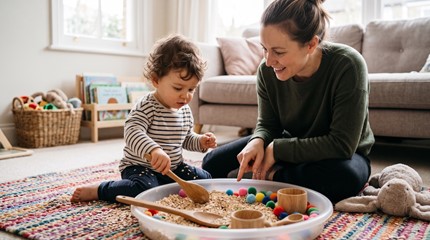
A young child’s brain grows at a remarkable pace. Every new sensation helps forge links between brain cells, and those links underpin learning, memory, talking and problem-solving. Parents can nurture that growth simply by offering safe, enjoyable chances to explore.
What Is Sensory Play?
Put simply, sensory play means any activity that wakes up one or more of the senses. Through hands-on discovery, babies and toddlers learn what different things feel, sound and look like. Stroking a fleecy blanket, hearing a blackbird in the garden, watching bubbles drift past or patting water in a bowl all count.
There’s no need for pricey toys or fancy kit, either. Ordinary things from around the house can make brilliant play materials, as long as they’re safe and an adult is close by. A wooden spoon and a saucepan have kept generations of toddlers busy.
Sensory play also invites a little experimenting. A child may notice that water slips through the fingers while sand clumps, or that a squeezy toy changes shape in a firm grip. Those tiny discoveries slowly build an understanding of how the world behaves.
1. Supports Brain Development
Perhaps the biggest gain lies in how sensory play feeds the growing brain. As children handle new textures, hear new sounds, spot new colours and meet new objects, their brains sort through fresh information and build links. A toddler poking at a wobbly jelly is gathering more data than any adult might guess.
Those links help with attention, memory and learning. Doing the same thing again and again also helps little ones feel at home in their surroundings.
Take a toddler tipping water in and out of a beaker over and over. Bit by bit, ideas such as full, empty, more and less start to make sense. It may look like simple splashing, yet real learning is taking place.
2. Develops Fine and Gross Motor Skills
Sensory activities get little bodies moving and little hands working in all sorts of ways. That steady practice strengthens both the small, fiddly movements and the big, whole-body ones.
Fine motor skills cover the small, precise movements of the fingers and hands. Grabbing chunky blocks, squeezing soft shapes and flipping board-book pages all sharpen grip and dexterity.
Gross motor skills involve the bigger movements, such as crawling, walking, stretching and keeping balance. Anything that tempts a child to shuffle towards an interesting object, or to explore a new corner of the room, gives that physical growth a boost. A bright ball rolled just out of reach can inspire a determined crawl.
Simple games work well here. Rolling a squishy ball back and forth, building a wobbly tower or holding out a bright toy for a baby to grab all encourage movement and coordination.
3. Encourages Language and Communication
Play opens up a stream of new words. While babies and toddlers explore, parents can chat about what’s happening and what the child is feeling.
At bath time, words such as wet, cold, splash, pour and empty fit naturally into the fun. With a basket of different fabrics, describing words like soft, rough, smooth and fluffy come easily. A grandmother naming each colour of a knitted blanket is giving a lesson without a single worksheet.
Babies tend to reply with smiles, squeals and waving arms. Toddlers may start echoing familiar words or pointing and naming objects. That first clear “ball!” is a moment few parents forget.
Chatting, singing and asking easy questions during play help children link words with real experiences. Those shared moments also deepen the bond between parent and child.
4. Builds Problem-Solving and Thinking Skills
Curious children are natural scientists. Sensory play invites them to poke, test and work things out, and as toddlers handle different objects, they start to grasp simple links between what they do and what happens next. A toddler dropping a spoon from a high chair for the twentieth time is running a very serious experiment.
A child might notice that a soft ball lands with a gentle thud while a wooden block clatters. Building towers, meanwhile, teaches a great deal about balance, size and shape.
Parents can feed this curiosity by giving children time to explore before stepping in to show them the answer.
A gentle question can go a long way. Asking “What happens if it goes upside down?” or “Is there another one hiding?” nudges a child to look closely and think independently.
5. Supports Emotional Development
Sensory play can soothe as well as stimulate. Many children find soft fabrics, quiet music or warm water calming and pleasant. A fretful toddler often settles once little hands are swishing through a bowl of warm water.
Gentle exposure to new sensations can help toddlers feel more at ease with them. Over time, that familiarity builds the confidence to try something unfamiliar.
Every child is different, though. Some dive happily into messy play, while others shy away from anything sticky, wet or scratchy at first. Those preferences deserve respect, and new experiences work best when offered slowly and without pressure. A little one who refuses to touch finger paint today may happily smear it everywhere next month.
Playing side by side also brings warm moments of encouragement and closeness. A shared giggle over a bubble that won’t pop is time well spent.
6. Improves Creativity and Imagination
Open-ended play gives imagination plenty of room to roam. Unlike toys built for one job, things like blocks, water, play dough and safe household items can be used in countless ways. A cardboard box can be a car in the morning and a castle by teatime.
A toddler might stack blocks into a tower, turn them into a pretend house or line them up in neat patterns. Water play can spark games of pouring, washing dolls or filling up cups for an imaginary tea party.
Families can also try some age-appropriate digital fun to play with colour and visual creativity together. For example, a green hair filter can offer a light-hearted way for families to try out different looks and chat about colours. Screen fun of this kind is no substitute for touching and making, but it can add sparkle to a creative conversation. A toddler giggling at a parent with bright green hair may well start naming every green thing in the room.
These experiences nurture creative thinking and let children grow their own ideas through trial and error.
Easy Sensory Play Activities for Babies and Toddlers
Getting started at home is easy. A handful of simple materials and everyday routines are all it takes.
* Texture exploration: A basket of safe fabrics, such as cotton, fleece and soft towels, gives babies plenty to feel and grab.
* Water play: Small, child-safe cups and jugs let toddlers splash and pour, with an adult watching every second.
* Music and sounds: Gentle tunes, nursery rhymes and simple shakers or drums help little ones tune in and listen.
* Colour exploration: Bright objects invite toddlers to spot, name or sort matching colours.
* Building activities: Large, age-appropriate blocks are perfect for stacking, arranging and working things out.
* Nature exploration: Leaves, petals and other natural treasures are lovely to look at together, as long as nothing unsafe ends up in a little mouth.
Safety always comes first. Materials need to suit the child’s age, small items that could cause choking are best kept well out of reach, and close supervision is essential. Water play in particular demands an adult’s full attention at every moment, however shallow the water.
Conclusion
Sensory play is a wonderful way to support a baby’s or toddler’s all-round growth. Simple activities built around touch, sight, sound and movement help children strengthen brain links, build motor skills, grow their language and let their creativity flourish.
Meaningful play doesn’t need costly gear or elaborate set-ups. Ordinary moments turn into rich lessons when a child has time, gentle cheering on and somewhere safe to roam. Folding sensory play into daily routines keeps that curiosity alive and makes growing up a lot of fun. The toys can fill the toy box. Only time, patience and a little mess can fill a childhood with discovery.