How Modern Play School Security Is Giving Parents Greater Peace of Mind at Drop-Off
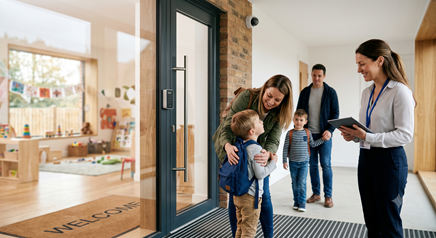
For parents of young children, the morning drop-off involves a considerable amount of trust. They are leaving their child in the care of teachers and nursery staff for several hours, often for the first time outside the family home. While parents naturally consider the quality of teaching, play facilities and staff experience, safety has become an equally important part of choosing an early years setting.
That concern is understandable when looking at the scale of early years education. According to UK government childcare statistics, around 1.7 million children were registered to receive funded early education and childcare entitlements in England in 2024. Ofsted also oversees tens of thousands of childcare providers across England. With so many young children spending part of their week in nurseries, pre-schools and other early years environments, safeguarding is not simply about supervision inside the classroom. It also involves controlling who enters the premises, managing visitors and ensuring children leave with the right authorised adult.
For parents, good security does not need to mean turning a play school into an intimidating environment. The most reassuring systems are often those that work quietly in the background. Secure entrances, clear visitor procedures, staff identification and carefully managed pick-up arrangements can create a safer setting while allowing children to enjoy a welcoming, relaxed place to learn and play.
Technology is also becoming part of this approach. Modern ai video surveillance platforms can help authorised staff monitor entrances, identify unusual activity and review incidents more efficiently when necessary. Coram, for example, provides an AI-powered physical security platform that combines video security with tools such as access control and intelligent alerts. Used appropriately in an early years setting, technology of this kind can support existing safeguarding procedures rather than replacing the teachers and staff responsible for children's day-to-day care.
Secure Entrances Can Make Drop-Off More Reassuring
One of the simplest questions a parent can ask when visiting a play school is: who can actually enter the building?
An open front door may be convenient during busy drop-off periods, but it can also make it more difficult for staff to know exactly who is coming and going. Modern play schools can use controlled entrances that allow authorised staff and parents to enter while keeping doors secured against unknown visitors.
This can be particularly important during the morning rush when several families arrive within a short period. Staff should be able to concentrate on welcoming children rather than constantly worrying about whether someone has entered unnoticed.
Good entrance security should still feel friendly. The aim is not to create barriers between families and staff, but to ensure that access to areas occupied by children is properly managed.
Knowing Who Is Visiting the Play School
Parents, delivery drivers, maintenance workers, prospective families and other visitors may all need to enter a play school during the day. A clear visitor management process helps staff understand who is on the premises and why they are there.
Visitors might be asked to sign in, provide identification or wait in a reception area before being allowed further into the building. Depending on the setting, temporary visitor identification can also make it easier for staff to recognise someone who should be accompanied.
These procedures can provide valuable reassurance to parents because they reduce the likelihood of an unfamiliar person being able to move freely around areas used by children.
Staff Identification Matters Too
Security is not only about monitoring visitors. Parents also want confidence that the adults working around their children are properly authorised to be there.
Clear staff identification policies can help. New employees, temporary workers, contractors and external specialists should be distinguishable from general visitors. Access permissions can also be limited so people only enter areas relevant to their responsibilities.
Of course, technology cannot replace proper recruitment, background checks, safeguarding training or staff supervision. Instead, physical security should form another layer within a broader safeguarding culture.
Making Pick-Up as Safe as Drop-Off
The end of the day presents another important challenge. Play schools need to make sure every child leaves with an authorised parent, guardian or nominated adult.
This becomes more complicated when grandparents, relatives, childminders or family friends occasionally collect a child.
A strong pick-up policy gives staff a clear process to follow. Parents should understand how to nominate another person and what verification may be required. Staff should also know what to do if someone unfamiliar arrives unexpectedly.
Simple procedures can prevent confusion while giving parents confidence that their child will not be released without appropriate checks.
Preparing for Emergencies
Parents rarely want to imagine an emergency occurring while their child is at play school, but knowing that a setting has prepared for difficult situations can be reassuring.
Early years providers should have clear procedures for events such as fires, medical emergencies, lockdown situations or an unauthorised person attempting to enter the premises.
Technology can support these plans through rapid alerts and better visibility, but staff preparation remains essential. Regular training helps employees understand where children should be taken, who is responsible for checking attendance and how parents will be contacted.
Emergency planning works best when responsibilities are established before an incident occurs.
Communication Builds Parent Confidence
Even sophisticated security measures offer limited reassurance if parents do not understand them.
Play schools can explain their safeguarding procedures during enrolment or parent orientation. Families might be told how visitors are managed, how authorised collection works, what happens during emergencies and whom they should contact with a safety concern.
This does not mean sharing sensitive security information. Instead, it means giving parents enough information to understand that thoughtful procedures are in place.
Communication is particularly valuable when new technology is introduced. Parents may reasonably have questions about where cameras are located, who can access recordings and how long information is retained. Clear privacy policies can help families understand how safety measures are being used responsibly.
Security Should Support Childhood, Not Dominate It
The best play school security is often almost invisible to children.
Young children should still be able to paint, play outdoors, make friends, explore classrooms and enjoy their first experiences of education without feeling as though they are constantly being monitored.
For that reason, play schools need to balance safety with privacy and independence. Cameras should never replace appropriate adult supervision, and security technology should have a clearly defined safeguarding purpose.
When physical security, trained staff and sensible policies work together, they can create an environment that feels both safe and welcoming.
FAQs About Play School Security
What security features should parents look for in a play school?
Parents can look for controlled entrances, clear visitor procedures, secure outdoor areas, staff identification, authorised pick-up policies and well-established emergency plans.
Should play schools use security cameras?
Cameras can support safeguarding when they are used responsibly and in accordance with privacy and data protection requirements. They should complement staff supervision rather than replace it.
How can play schools prevent unauthorised child collection?
Settings should maintain accurate records of authorised collectors and establish procedures for verifying unfamiliar adults before releasing a child.
Should parents ask about emergency procedures?
Yes. Parents can reasonably ask how the setting responds to fires, medical incidents, intruders and other emergencies, as well as how families would be informed.
Can stronger security make a nursery feel less welcoming?
It should not. Well-designed security works quietly in the background. Secure doors and clear visitor procedures can protect children while teachers continue to create a warm and friendly environment.
A Safer Start to the Day
For most parents, peace of mind at drop-off does not come from one camera, locked door or piece of technology. It comes from knowing that the play school has considered the different ways children need to be protected throughout the day.
Secure entrances, responsible visitor management, careful staff procedures, safe collection policies and good emergency planning all contribute to that confidence. Combined with open communication between families and educators, these measures can help parents walk away from the school gate knowing that safety is being treated as an everyday part of caring for their child.