From Baby Clutter to Community Value: How Parents Can Save Money and Give Outgrown Essentials a Second Life
One day, your toddler needs a baby walker, and seemingly the next, they're racing around the garden on a bicycle. Children grow quickly, but the belongings they leave behind have a habit of staying.
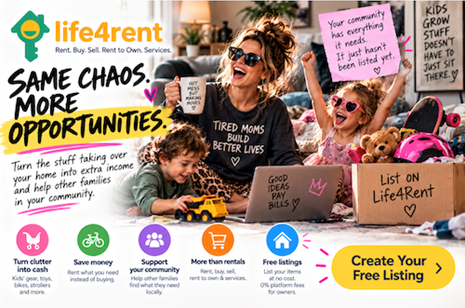
Before long, cupboards are filled with forgotten toys, the garage holds unused equipment, and perfectly good children's essentials occupy valuable space.
Rather than letting these belongings gather dust, parents can give suitable items a second life through renting, selling, or sharing them locally. It's a practical way to reduce household clutter, potentially earn extra money, and help other families access things they need.
The good news is that getting started doesn't require a major clear-out. A few thoughtful decisions about what to keep, sell, or rent can make a noticeable difference.
Why Outgrown Children's Belongings Deserve a Second Life
Raising young children involves buying products that may only be needed for a few months or years. Some items remain perfectly usable long after a child has outgrown them.
Finding another family that needs them can make more sense than keeping everything in storage.
Turn Unused Belongings Into Useful Resources
Start by looking around your home for items that are still in good condition but rarely used.
Suitable examples might include:
* Children's bicycles: Bikes that younger children have outgrown.
* Outdoor play equipment: Well-maintained garden games and age-appropriate play accessories.
* Toys and activity sets: Complete building sets, puzzles and educational toys.
* Travel accessories: Suitable luggage, travel organisers and family holiday equipment.
* Family activity equipment: Camping accessories, picnic equipment and outdoor games.
The important question isn't simply whether something still works. It's whether another family could use it safely and conveniently.
Renting or Selling: Which Makes More Sense?
Selling works well for belongings your family no longer needs.
Renting may be more suitable for equipment you occasionally use but don't need every week.
For example, a family might keep its camping equipment for summer holidays while making it available to others during unused periods.
Parents should also consider storage space, cleaning requirements, and the effort involved in arranging collections. An item that needs frequent repairs or complicated maintenance may not be worth renting.
How Life4Rent Helps Parents Make Better Use of Their Belongings
Online marketplaces can connect families who own useful equipment with people looking for affordable access to similar items.
One option is Life4rent, a marketplace designed for renting, buying, selling, rent-to-own arrangements, and accessing local services.
Free Listings and Potential Rental Income
Parents can create listings without paying an upfront listing fee. Owners also pay 0% Life4Rent platform service fees on rental earnings, although other transaction charges may apply depending on the arrangement.
The marketplace supports several ways to make use of suitable belongings.
Families might list equipment for short-term rental, offer something for sale, or explore rent-to-own arrangements where appropriate. Local services provide another option for people who have useful skills to offer.
Rental income isn't guaranteed. Demand depends on local interest, item condition, pricing, and availability.
However, even occasional rentals could help families recover some of the money spent on equipment they already own.
Set Realistic Prices and Expectations
Before deciding on a rental price, consider the item's age, replacement cost, condition, and likely demand.
A bicycle available for a weekend, for example, should have a price that reflects its condition and the convenience offered to another family.
Parents should also agree on collection times, return dates, and responsibilities if equipment is damaged. Clear expectations help prevent misunderstandings.
How to Check Whether Children's Items Are Safe to Reuse
Saving money should never come at the expense of children's safety. Before listing any baby or children's product, parents must carefully assess whether it's appropriate for another family.
Some belongings are unsuitable for reuse, particularly when their safety history cannot be verified.
Check Condition, Completeness and Safety Standards
Before offering an item:
* Inspect it for damage, loose components, and excessive wear.
* Confirm that all essential parts are present.
* Check applicable UK safety requirements and age recommendations.
* Make sure instructions and safety labels are available.
* Search for product recalls and safety alerts.
* Clean the item thoroughly before handing it over.
The UK government's product recalls and alerts service can help parents identify potentially unsafe products.
Avoid renting or reselling recalled items. Take particular care with car seats, protective helmets and baby sleeping equipment, where previous damage or unsuitable construction can create serious risks.
Second-hand car seats are generally best avoided unless their full history and safety can be established.
When safety cannot be confidently established, don't list the product.
How Parents Can Create Their First Free Listing
Starting with one suitable item makes the process manageable. Parents don't need to photograph every cupboard's contents or organise an entire household clear-out.
A thoughtful listing can help another family understand exactly what's available.
Five Simple Steps to Get Started
1. Choose an item: Select something useful, complete, and appropriate for reuse.
2. Check its condition: Examine the product, confirm safety requirements, and clean it.
3. Take clear photographs: Show the item from several angles, including any visible wear.
4. Write an accurate description: Include dimensions, age suitability, condition, and accessories.
5. Set reasonable terms: Explain pricing, availability, collection arrangements, and any relevant conditions.
Parents can Create a Free Listing and begin making suitable belongings visible to interested families.
Clear descriptions matter. A parent borrowing a garden game for a birthday party, for example, needs to know what's included and whether anything must be assembled.
It's also sensible to inspect rented belongings when they're returned. This helps identify missing pieces or damage before making the equipment available again.
Building a Local Community Through Everyday Sharing
The benefits of reusing children's essentials extend beyond one household. When neighbours make useful belongings available locally, families gain more options for accessing equipment without always buying new.
A local rental community becomes more useful as additional residents participate.
Encourage Other Parents to Get Involved
Parents can Rent out your items while encouraging friends, neighbours and local parenting groups to consider listing suitable equipment too.
It's also worth exploring nearby listings before purchasing something needed only occasionally.
For example, a family organising a children's garden party might prefer renting suitable outdoor games instead of buying equipment that will rarely be used again.
Availability will vary by location, and some neighbourhoods may have few listings initially. Building an active local community takes participation.
As more families contribute, opportunities to borrow, rent or purchase suitable items may gradually increase.
Make Local Exchanges Practical and Comfortable
Good communication matters when arranging rentals or purchases between families.
Agree on a convenient collection location, confirm the item's condition beforehand, and keep a clear record of rental arrangements.
For added reassurance, choose sensible meeting arrangements and avoid sharing unnecessary personal information.
These small precautions can make local exchanges easier for everyone involved.
Conclusion
From baby clutter to community value, small household decisions can make a meaningful difference. Selling outgrown belongings, renting occasionally used equipment, and sharing suitable resources locally can help families manage costs while reducing unnecessary storage.
The idea is simple: “Your community has everything it needs. It just hasn't been listed yet.” Start by choosing one safe, well-maintained item and creating your first free listing on Life4Rent. Then explore local listings and encourage other parents to participate. A useful neighbourhood sharing community can begin with something already sitting unused in your home.