Fostering a Child With Autism, SEND or Complex Needs in Yorkshire
Children with additional needs do best with carers who are well supported. Here is the help available to foster carers in Yorkshire and the Humber.
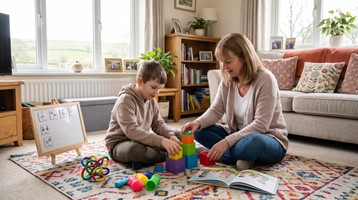
Some children come into foster care with autism, special educational needs and disabilities (SEND), or complex needs that affect their health, learning or behaviour. Looking after them can be demanding, and it can also be some of the most rewarding work a foster carer does. The key is not doing it alone.
This guide explains the training and support foster carers in Yorkshire and the Humber can expect, and why many people in the region may be better suited to it than they think.
Who are the children?
Children with SEND might have autism, ADHD, a learning disability, a speech and language difficulty, or a physical health condition. When a child has several of these, or needs a high level of help each day, they are often described as having complex needs. A diagnosis is a starting point, not the whole picture of a child.
The support you can expect
Foster carers with National Fostering Group are not expected to manage on their own. Support includes:
* a supervising social worker who visits regularly and helps you plan around the child's needs
* round-the-clock support from the agency, including evenings and weekends
* more than 250 free training courses, including therapeutic fostering training
* help working with the child's school, health services and social workers, so everyone around the child is pulling in the same direction
For children with autism, SEND or complex needs, there is an extra layer of help from National Fostering Group's clinical and therapeutic team:
* a neurodevelopmental assessment pathway covering autism, ADHD and trauma, so children can get a diagnosis sooner, with support put in place afterwards
* support led by a therapeutic lead for children with an Education, Health and Care Plan (EHCP)
* occupational therapy and speech and language therapy, from help with sensory needs and emotional regulation to communication tools such as symbols and voice-output devices
* for children with the most complex needs, the Invictus programme, which adds a peer mentor who has cared for a child with similar needs, an enhanced training package, and regular short breaks for carers
You can find more detail on the support and benefits page.
Day to day
No two children are the same, but carers looking after children with complex needs often say these help:
* a steady routine, with notice before anything changes
* plain, calm language, used the same way each time
* thinking about noise, lighting and busy places
* keeping in close contact with school and other professionals
Your supervising social worker and training will help you work out what the child in your care needs.
Strengths the region already has
Research by National Fostering Group found that adults in Yorkshire and the Humber are more likely than the UK average to say they have compassion (61% compared with 52%), empathy (61% compared with 51%) and resilience (54% compared with 41%). More than eight in ten (84%) say patience is essential for a foster parent, compared with 78% across the UK.
These are qualities people report about themselves, not a measure of ability, but they are the ones children with additional needs rely on. Yet separate research found that only 26% of Yorkshire and the Humber adults think they would make a good foster parent, even though far more say they have qualities such as compassion, empathy and resilience. Many more people may have what it takes than realise.
What carers find rewarding
In a survey of UK foster carers commissioned by National Fostering Group, 60% said supporting children through challenges is one of the most rewarding parts of fostering. You can hear one carer's experience in the podcast Fostering a child with autism.
Talk to your local team
"Fostering a child with SEND or complex needs can be demanding, which is why we put as much into supporting our carers as we do into finding them. Every family has a supervising social worker, access to training and round the clock help and advice, and we work alongside schools with our own agency specialist education team and health services so carers never feel they're doing it alone," says Andrea Grantham, Area Director for NFA North at National Fostering Group.
Read the guide to fostering a child with autism, or contact NFA North, which supports foster families across Yorkshire and Lincolnshire from its office in Elland, West Yorkshire.