Five Tips for Setting an Example Around Alcohol With Kids
Children learn far more from what they see than what they are told. When it comes to alcohol, parental behaviour plays a significant role in shaping attitudes and habits later in life. In the United Kingdom, where drinking is often part of social life, the way adults approach alcohol can strongly influence how young people understand it.
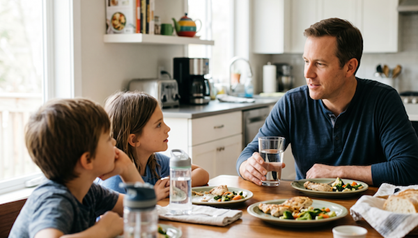
Setting a positive example doesn’t mean drinking; it means demonstrating a balanced, responsible relationship with alcohol. Small, consistent actions can have a lasting impact.
Drink in Moderation
One of the clearest ways to set a good example is by practising moderation. Children notice how often and how much adults drink, even if it’s not discussed openly. Regular heavy drinking, even in a social context, can normalise excess.
By contrast, showing restraint, such as limiting drinks, choosing alcohol-free days, or stopping at a sensible point, helps reinforce the idea that alcohol is something to be managed, not relied upon. It also demonstrates self-control in a practical, visible way.
Avoid Glorifying Alcohol
It’s easy to fall into the habit of portraying alcohol as a reward or a necessity; phrases like “I need a drink after today” or “this will make things better” can send unintended messages. Over time, children may begin to associate alcohol with stress relief or emotional coping. Which, of course, isn’t good and is actually a sign that you need alcohol help.
Instead, try to present alcohol in a neutral light. If you do drink, frame it as a choice rather than a solution. Showing that you can relax, celebrate, or unwind without alcohol is equally important.
Be Open and Honest in Conversations
Children are naturally curious, and questions about alcohol are likely to arise. When they do, honesty is key. Explain what alcohol is, how it affects the body, and why adults may choose to drink it.
You don’t need to overcomplicate the conversation - keep it age-appropriate and factual. Acknowledging both the social role of alcohol and its potential risks helps children develop a balanced understanding. Avoid scare tactics, as these can sometimes backfire if they don’t match what children observe elsewhere.
Set Clear Boundaries and Expectations
While modelling behaviour is important, clear rules also play a role. Children need to understand what is and isn’t acceptable, particularly as they approach their teenage years.
This might include rules about underage drinking, expectations around parties, or guidelines for future situations. Consistency is crucial; mixed messages can lead to confusion. When boundaries are explained calmly and backed up by your own behaviour, they are more likely to be respected.
Show Healthy Ways to Cope and Socialise
Perhaps the most powerful example you can set is demonstrating that alcohol is not essential for enjoyment or coping. Engage in activities that don’t revolve around drinking, such as family outings, hobbies, or social events where alcohol isn’t the focus.
Equally, show how you manage stress in healthy ways, whether through exercise, conversation, or relaxation techniques. This helps children build their own toolkit for dealing with challenges without turning to substances.