First Painting Activities for Toddlers and Preschoolers
There is a certain look of wonder on a toddler's face the first time they drag a wet brush across paper and colour appears. Painting is one of the richest early activities you can offer a young child, building fine motor skills, colour recognition, concentration and confidence all at once. It is also, let's be honest, one of the messier ones, which is why many parents put it off.
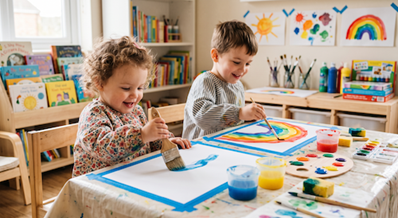
The good news is that first painting sessions do not need to end with paint on the ceiling. With the right setup and age-appropriate activities, even an eighteen-month-old can enjoy painting with minimal chaos. Here is a practical guide to getting started, from the first taster session to simple projects your preschooler will ask to repeat.
When Can Little Ones Start Painting?
Most children can begin exploring paint from around twelve to eighteen months, starting with finger paints and taste-safe options, then moving to chunky brushes from around age two. By three, most children can manage a proper brush, and by four they begin painting recognisable shapes and figures with real intent.
Every child is different, so follow their interest rather than their age. Some toddlers will sit absorbed for twenty minutes, while others are done in three. Both are completely normal, and short, happy sessions build more enthusiasm than long, supervised marathons.
Setting Up a Low-Mess Painting Station
The secret to relaxed painting sessions is accepting a little mess and containing the rest. A wipe-clean tablecloth or an opened-out bin bag taped to the table protects surfaces. An old shirt worn backwards makes a free smock. Masking tape holds the paper still, which prevents the classic toddler frustration of chasing a sliding page with a wet brush.
Watercolours are a brilliant choice for this age group precisely because they are the most washable option. Unlike acrylics, which stain the moment they touch fabric, watercolour lifts out of clothes and wipes off tables with plain water. Keep a damp cloth within arm's reach and cleanup takes two minutes.
Activity 1: Magic Water Painting
For the very youngest artists, skip the paint entirely. Give your toddler a cup of water and a chunky brush, and let them paint the patio slabs, the fence, or a piece of dark coloured card. The water darkens the surface like magic, then fades as it dries, ready to paint again.
It sounds too simple to work, but water painting delivers all the brush practice with zero mess, and toddlers find the appearing-disappearing act genuinely fascinating.
Activity 2: Giant Paper, Tiny Artist
Tape a large sheet of paper, the bigger the better, to the floor or an easel and let your child work across the whole surface. Big arm movements come naturally to toddlers, who paint from the shoulder rather than the wrist. Lining paper from the DIY shop is inexpensive and gives them metres of space.
Add one colour at a time for the youngest children. Two colours that mix nicely, like blue and yellow, quietly introduce the magic of colour mixing when they inevitably blend.
Activity 3: Printing With Everyday Objects
Before fine brush control develops, printing gives instant results. Cut a potato in half, dip it in paint, and stamp. Sponges, bubble wrap, leaves, and toy car wheels all make wonderful textures. This is a lovely way to talk about shapes and patterns while little hands stay busy.
Printing sessions also produce genuinely lovely wrapping paper and cards for grandparents, which makes the activity feel purposeful for older toddlers.
Activity 4: First Watercolour Pictures
From around age three, children are ready for a proper little painting session with watercolours and real paper. Start with simple, satisfying subjects: a rainbow, a sunny sky, a green field with flowers. Show them how to rinse the brush between colours, then let them take over. Resist the urge to correct. The purple grass phase is short and rather wonderful.
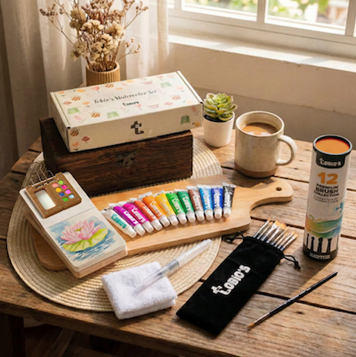
If you would rather not assemble supplies yourself, simple art kits for little hands take the guesswork out of it, bundling child-friendly paints, brushes and paper in one box so you can go from cupboard to painting in five minutes.
Activity 5: Painting to Music
For a calmer end-of-day activity, put on gentle music and encourage your child to paint how it sounds. Fast twinkly music might become dots and dashes, while slow music becomes long, sweeping lines. There is no right answer, which makes this perfect for children who worry about getting things wrong.
This one is sneakily brilliant for emotional development too, giving little ones a way to express feelings they do not yet have words for.
Handling the Tricky Moments
A few common wobbles are worth preparing for. Some toddlers want to paint their hands rather than the paper, and within reason, letting them is fine; that is what the smock is for. Some will paint one glorious stroke and announce they are finished, which is also fine. Praise the stroke and pack up without fuss, because forcing a longer session teaches them painting is a chore.
The moment to actually end a session is when the water play takes over completely or the brush starts heading towards the walls. Finish on a positive note, name something specific you loved about their picture, and they will come back eager next time.
What Painting Is Really Teaching
While your child is happily making a puddle of brown, a remarkable amount of development is happening. Gripping and guiding a brush builds the same fine motor strength they will later need for writing. Choosing colours and deciding where to put them builds decision-making and planning. Watching colours mix is early science. Finishing a picture and seeing it displayed on the fridge builds real pride.
Perhaps most valuable of all in a screen-filled world, painting teaches children that they can make something from nothing with their own two hands.
Keeping the Habit Going
The families who paint regularly are the ones who make it easy. Keep everything in one box so setup is instant, display finished artwork where your child can see it, and date a painting every few months. You will be amazed, and a little emotional, looking back at how those first splodges become suns, houses and wobbly portraits of you.
Start simple, expect mess, celebrate everything, and you will be raising a little artist before you know it.