Designing a Toddler-Friendly Home That Still Feels Like Yours
Life with a baby or toddler is wonderfully chaotic. One minute they’re peacefully playing with blocks, the next they’re halfway up a bookshelf with a biscuit in each hand. It’s no surprise that many parents start looking at their home differently once little ones arrive – sharp corners, slippery floors and open staircases suddenly stand out more than ever.
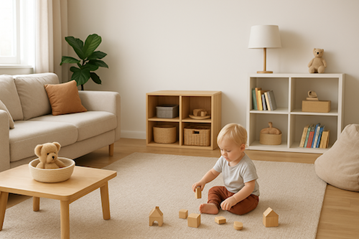
The good news? You don’t need a full rebuild to create a safer, calmer, more child-friendly space. With a bit of planning – and a few smart upgrades – you can have a home that works for your children and still feels like yours.
Start with safety (and make it invisible)
Safety is always the first priority, but it doesn’t have to look clinical.
* Secure the basics: Fit stair gates, window locks, cupboard latches and socket covers in the areas your toddler can reach.
* Anchor heavy furniture: Bookcases, chests of drawers and TVs should be fixed to the wall so they can’t be pulled over.
* Soften sharp edges: Corner protectors on coffee tables and low units can prevent a lot of bumps and bruises.
When planning a bigger refresh, think about built-in safety instead of temporary fixes: rounded worktops, slip-resistant flooring and sturdy built-in storage. Home remodelling specialists like HouseIdea often talk about “designing safety in” from the start – it’s easier and usually looks much better than adding lots of plastic gadgets afterwards.
Create a calm, flexible living space
The living room often has to do everything – playroom, relaxation zone and sometimes home office. Instead of fighting that, design it to be flexible.
* Use soft, washable materials: Choose rugs that are easy to clean and cushions with removable covers. You’ll thank yourself later.
* Low, accessible storage: Baskets or low cupboards mean toys can be tidied away quickly and toddlers can learn to help.
* Defined zones: A simple rug can mark out a “play zone”, while a small reading corner with a beanbag and bookshelf creates a cosy quiet spot.
If you’re remodelling, consider built-in storage along one wall. It gives you a place to hide toys at the end of the day so the room can go back to feeling like an adult space once bedtime arrives.
Rethink the nursery and bedroom
Your baby’s room doesn’t stay a “baby room” for long. When planning changes, think about how the space will work over the next five years.
* Investment pieces: A cot that converts into a toddler bed, a changing table that becomes a normal chest of drawers, and neutral wardrobes all grow with your child.
* Low-level independence: Low bookshelves, a small rail or hooks for their clothes, and a toy box they can open themselves encourage independence and tidy habits.
* Soft lighting: Dimmer switches and warm lamps make bedtime easier and give you flexibility for night feeds, stories and quiet play.
Make the kitchen and dining area work for everyone
The kitchen is often the heart of family life – and the source of many toddler adventures.
* Create a safe “helper zone”: A sturdy learning tower or a designated corner where children can help with mixing, washing vegetables or playing with dough lets them be involved without being underfoot.
* Think about surfaces: If you’re updating worktops or flooring, choose materials that are tough, easy to wipe, and not too slippery when wet.
* Family-friendly dining: A table big enough for high chairs, colouring and snacks makes family time easier. Bench seating with storage underneath is an excellent option for stashing toys and craft supplies.
Smart storage: the secret to staying sane
You don’t realise how much stuff a small child needs until it’s everywhere. Clever storage makes daily life feel less overwhelming.
* Basket systems: One basket for blocks, one for soft toys, one for books – simple categories help children learn where things go.
* Hidden storage: Ottomans, benches with storage, and built-in cupboards in hallways are perfect for shoes, coats and buggy accessories.
* Rotation: Keep some toys stored away and rotate them every few weeks. It reduces clutter and makes old toys feel new again.
When to bring in the professionals
Some changes are easy to DIY, but if you’re considering bigger updates – knocking down walls for an open-plan family area, redesigning a cramped bathroom, or adding built-in storage – it can really help to involve experienced designers and re-modelers.
Teams like HouseIdea specialise in turning family needs into practical layouts, thinking about things like:
* How pushchairs move through the hallway
* Where children’s coats and bags will live
* How to keep messy areas (like the kitchen) slightly separate from quiet spaces
* Future needs as children grow older
Working with a professional means you’re not just guessing what might work – you’re drawing on ideas that have already been tested in other family homes.
A home that grows with your family
Creating a toddler-friendly home doesn’t mean filling every room with plastic or giving up on your own style. It’s about making thoughtful changes so the space feels safe, welcoming and easy to live in – for everyone.
Start small with safety and storage, then think about how each room can support your child’s next stages: crawling, walking, playing, learning and, eventually, wanting more privacy. With a bit of planning now, your home can grow alongside your family – and stay a place where both little ones and grown-ups feel comfortable, relaxed and truly at home.