Common Mistakes to Avoid While Using Your Breast Pump
You've finally settled into a quiet moment, pump flanges in place, only to realize after ten frustrating minutes that barely any milk has collected in the bottle. If this scenario sounds familiar, you're far from alone. Studies suggest that a significant number of breastfeeding parents encounter difficulties with their breast pump at some point, whether it's discomfort during sessions, unexpectedly low output, or equipment that just doesn't seem to cooperate. These struggles often stem from a handful of common but easily correctable mistakes.
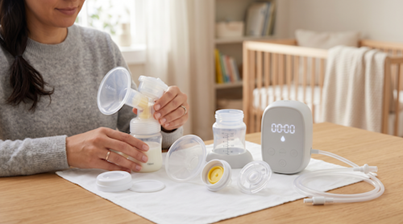
This article is designed to help you identify the most frequent errors parents make while pumping and, more importantly, show you exactly how to fix them. From assembly mishaps and technique problems to milk flow concerns and scheduling inconsistencies, we'll walk through practical solutions that can transform your pumping experience. Whether you're a first-time parent navigating the learning curve or someone returning to pumping after time away, the breastfeeding advice ahead will help you pump more comfortably, efficiently, and confidently.
Mistake #1: Improper Pump Assembly and Setup
One of the most overlooked yet impactful mistakes happens before you even begin a session: incorrect pump assembly. When parts aren't connected properly, the pump can't create the sealed vacuum it needs to extract milk effectively. The result is weak suction, frustrating sessions, and sometimes no milk output at all despite the motor running perfectly fine. Many parents assume the pump itself is faulty when the real culprit is a simple assembly error.
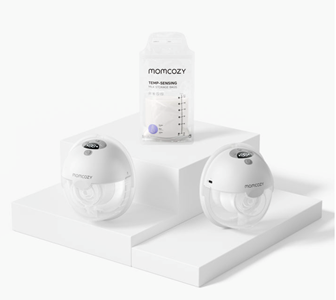
Proper pump assembly starts with understanding how each component works together. The breast shield connects to the valve, which attaches to the backflow protector, which then links to the bottle. Each connection point must be secure and airtight. Before your first use, take time to study your pump's manual and practice assembling the parts without pressure. Run the pump briefly after assembly to listen for air leaks - a hissing sound typically indicates a loose connection somewhere in the system. Getting this foundation right means every session afterward starts on solid ground.
Key Assembly Errors to Watch For
The most common pump assembly mistakes include placing the valve membrane upside down or forgetting it entirely, which immediately breaks the suction seal. Another frequent error is failing to align the backflow protector correctly, allowing milk to travel toward the motor and potentially damaging the unit. Using components from different pump models or mixing parts from various brands can also create subtle fit issues that compromise performance. To verify your setup, try this quick check: assemble everything, place your palm over the flange opening, and turn the pump on. You should feel strong, consistent suction against your hand. If the suction feels weak or intermittent, disassemble each piece and reconnect them one at a time, ensuring each clicks or seats firmly into place. Replace any membranes or valves that appear stretched, torn, or warped, as even minor wear on these small parts significantly reduces pumping efficiency.
Mistake #2: Incorrect Pumping Techniques and Positioning
Even with a perfectly assembled pump, poor technique can sabotage your efforts. Many parents default to cranking the suction to its highest setting, assuming stronger means more milk. In reality, excessive suction causes nipple pain, tissue swelling, and can actually restrict milk flow by compressing the ducts. Your body responds best to a suction level that mimics your baby's natural nursing rhythm - firm enough to stimulate letdown but gentle enough to remain comfortable throughout the session. If you're wincing or gritting your teeth, that's your signal to dial it back.

Body positioning matters more than most parents realize. Hunching forward to watch milk collect in the bottle compresses your chest and restricts duct drainage, particularly from the upper portions of the breast. Instead, sit upright or lean back slightly, supporting your lower back with a pillow. Let gravity assist rather than fight against it. Hold the flanges in place without pressing them hard into your breast tissue, as excessive pressure flattens the areola and blocks milk from flowing freely into the shield. These pumping tips may seem minor, but together they dramatically affect both comfort and output over a full session.
Optimizing Flange Fit and Suction
Flange size is arguably the single most important factor in comfortable, productive pumping, yet it's the element parents most often get wrong. A correctly sized flange allows your nipple to move freely in the tunnel with a small amount of areola drawn in during suction. If you see your nipple rubbing against the tunnel walls, turning white, or if excess areola is being pulled in and causing pinching, your fit needs adjustment. Nipple size can change over the course of your breastfeeding journey, so measure periodically rather than assuming your initial size remains correct. To find your ideal fit, measure your nipple diameter at the base after a pumping session when tissue is slightly drawn out, then select a flange approximately two to three millimeters larger than that measurement. Many brands, including Momcozy, offer multiple flange sizes to help parents find the right fit without compromising comfort. For suction settings, start at the lowest level and increase gradually until you reach the strongest setting that remains completely comfortable. Many parents find that beginning with a faster cycle speed to trigger letdown, then switching to a slower, deeper cycle for milk extraction mirrors what works best biologically. This approach to adjusting your technique turns pumping from an uncomfortable chore into a manageable routine that supports sustained milk production.
Mistake #3: Neglecting Milk Flow and Output Issues
When milk output drops or flow becomes irregular, many parents panic and assume their supply is drying up. While supply fluctuations are normal, ignoring persistent milk flow problems allows them to compound over time. Blocked ducts, incomplete breast drainage, and insufficient stimulation can all reduce output gradually, and each missed opportunity to address these issues makes recovery harder. The key distinction is understanding whether you're dealing with a temporary slowdown triggered by stress, dehydration, or a skipped session versus a pattern that signals something needs to change in your approach.

Poor milk flow often traces back to timing and technique working against your body's natural rhythms. Pumping when you're tense, rushing through sessions, or stopping too early before the breast is adequately drained all contribute to diminished output. Your body operates on a supply-and-demand system - when milk remains in the breast consistently, production signals slow down. Additionally, skipping the second or third letdown during a session leaves significant milk behind, training your body to produce less over subsequent days. Recognising these patterns early gives you the chance to intervene before a temporary dip becomes a lasting supply concern.
Strategies to Boost and Regulate Milk Production
Hands-on pumping is one of the most effective techniques for improving milk flow during sessions. Before turning on your pump, spend two to three minutes massaging your breasts using gentle circular motions, working from the chest wall toward the nipple. During pumping, use breast compressions whenever you notice flow slowing -gently squeeze and hold different areas of the breast to push milk toward the ducts and trigger additional letdowns. This combination of massage and compression can increase output by a meaningful margin compared to passive pumping alone. Frequency adjustments also play a critical role; adding even one short pumping session per day, or power pumping for twenty minutes on, ten off, then ten on for a few consecutive days, sends strong production signals to your body. Stay well-hydrated throughout the day and focus on calorie-dense, nutrient-rich meals rather than specific "milk-boosting" foods, since overall adequate nutrition supports sustained lactation far more reliably than any single supplement. When you notice flow irregularities, address them within a day or two rather than waiting to see if things improve on their own - your body responds fastest when corrective action is prompt.
Mistake #4: Inconsistent Pumping Schedule and Hygiene Lapses
Skipping sessions or pumping at random times throughout the day confuses your body's supply-and-demand signals. Breast milk production thrives on predictability - when your body expects regular removal of milk at consistent intervals, it calibrates output accordingly. Parents who pump only when they remember or when it feels convenient often notice a gradual decline in supply over weeks, then struggle to rebuild what was lost. Establishing a pumping schedule that roughly mirrors a newborn's feeding pattern, typically every two to three hours during the day and at least once overnight in the early months, keeps production signals strong and steady.

Equally critical is maintaining strict hygiene with every session. Pump parts that contact milk must be thoroughly cleaned after each use to prevent bacterial growth that can cause infant illness or breast infections like mastitis. Rinsing parts under water without soap, leaving damp components in a closed bag, or reusing collection bottles without proper washing between sessions all introduce contamination risks. After each session, disassemble all parts completely, wash with hot soapy water or place them in a dishwasher basket, and allow everything to air dry on a clean surface. Sanitise parts at least once daily, especially during your baby's first three months or if either of you is unwell. Pairing a consistent pumping schedule with rigorous cleaning habits protects both your supply and your baby's health simultaneously.
Practical Solutions and Best Practices for Effective Pumping
Bringing all these corrections together into a cohesive routine makes the difference between dreading pump sessions and feeling confident each time you sit down. Start every session with a thirty-second assembly check - confirm valves are seated correctly, connections are airtight, and your flange size still fits comfortably. Before turning the pump on, spend a minute or two relaxing your shoulders, sitting upright with back support, and gently massaging your breasts to encourage letdown. Set your suction to the lowest comfortable level and increase only as needed, remembering that pain is never productive. During the session, use breast compressions when flow slows and allow enough time for multiple letdowns rather than cutting sessions short. After pumping, disassemble every part immediately, wash thoroughly with hot soapy water, and air dry on a clean rack. Build your pumping schedule around consistent intervals that work within your daily life, setting phone reminders if needed to avoid accidentally skipping sessions. Track your output loosely over several days rather than obsessing over a single session's volume, since daily totals matter more than individual numbers. These best practices work together as a system—when pump assembly, technique, hygiene, and timing all align, your body receives clear, reliable signals to maintain strong milk production while you pump comfortably and efficiently.
Building a Confident and Effective Pumping Routine
The most common breast pump mistakes - improper assembly, poor technique and positioning, neglecting milk flow changes, and maintaining an inconsistent schedule with lax hygiene - are all correctable once you know what to look for. Each error feeds into the next; a poorly assembled pump leads to weak suction, which causes you to crank settings too high, which creates discomfort that makes you skip sessions, which ultimately undermines your supply. Breaking this cycle at any point creates positive momentum in the other areas.
By taking a few extra moments to verify your pump assembly, ensuring your flange fits properly, responding quickly to changes in milk flow, and committing to a predictable routine with clean equipment, you set yourself up for sessions that feel productive rather than punishing. Pumping doesn't have to be a source of stress or self-doubt. With these adjustments in place, you can approach each session knowing you're giving your body exactly what it needs to respond well. Trust the process, be patient with yourself as you refine your approach, and remember that small, consistent improvements in your technique add up to meaningful results over time. Your pumping goals are well within reach.