Children’s Screen Time and Eye Strain: Simple Tips for Families
Screens are now part of everyday family life. From video calls with grandparents to cartoons, learning apps and the occasional “just five more minutes”, many children spend time looking at tablets, phones, computers and televisions.
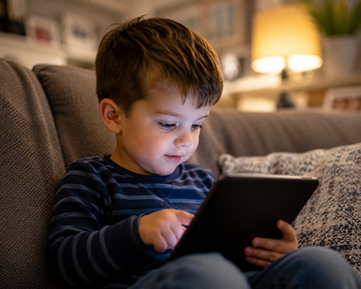
For parents, it can be tricky to know what is normal and what might be a sign that your child’s eyes are feeling tired. If your little one rubs their eyes, blinks more than usual, complains of headaches or seems unsettled after screen time, it may be worth looking at their screen habits.
The good news is that a few simple changes at home can make screen time more comfortable for growing eyes.
Why screen time can make children’s eyes feel tired
When children are absorbed in a game, programme or video, they often blink less than usual. Blinking helps spread tears across the surface of the eye, keeping it comfortable and refreshed. When blinking slows down, the eyes can start to feel dry, gritty or irritated.
Children may also hold tablets and phones very close to their faces, especially when they are concentrating. This makes the tiny muscles inside the eyes work harder to keep everything in focus. Over time, this can lead to tired eyes, blurred vision or headaches.
Dry air at home can add to the problem too. Central heating, air conditioning and poorly ventilated rooms can all make eyes feel less comfortable, particularly during longer periods of screen use.
Signs your child may have screen-related eye strain
Every child is different, but common signs can include:
* rubbing their eyes
* frequent blinking
* red or watery eyes
* saying their eyes feel sore, tired or “funny”
* headaches after screen time
* squinting or sitting very close to the screen
* struggling to refocus after looking away from a device
These symptoms are often temporary, but if they keep happening, it is sensible to book an eye test or speak to an optician.
Three easy screen-time habits to try at home
1. Keep screens at a comfortable distance
Encourage your child to hold tablets and phones a little further away from their face. As a simple guide, try to keep handheld devices at around arm’s length where possible.
For computers and televisions, make sure your child is not sitting too close. A comfortable viewing distance helps reduce the effort their eyes need to make when focusing.
2. Use gentle, even lighting
Try to avoid screen time in a completely dark room. A bright screen against a dark background can feel harsh on the eyes.
Instead, use soft room lighting and position screens so there is not too much glare or reflection. This can make watching or playing more comfortable, especially in the evening.
3. Build in regular breaks
Little eyes need time to rest. A simple habit is to encourage your child to look away from the screen regularly. You could ask them to look out of the window, spot something across the room, have a stretch or go and choose a toy for a few minutes.
For older children, the 20-20-20 rule can be helpful: every 20 minutes, look at something around 20 feet away for 20 seconds. Eye-care organisations including RNIB and NHS-linked guidance recommend regular screen breaks to help reduce eye strain and dryness.
Making screen time work for family life
Most parents know that screen time is not always avoidable. It can be useful during travel, illness, busy mornings or those moments when everyone simply needs a pause.
Rather than aiming for perfection, focus on balance. Choose good-quality content, watch together when you can, and try to keep screens out of bedtime routines where possible. The American Academy of Paediatrics also encourages families to think about the quality of digital media, not just the number of minutes spent using it.
What about dry or irritated eyes?
If your child’s eyes look red or feel dry after screen use, start with the basics: a break from the screen, a drink of water, fresh air if possible, and plenty of blinking.
Some families may also use eye drops as part of their family eye-care routine. If you are considering drops for a child, it is always best to check the product is suitable for their age and speak to a pharmacist, optician or GP if you are unsure.
For families looking for a gentle option to support tired, dry or irritated eyes, Sato Pharm Dorama Neo eye drops can be used as part of a wider approach that includes regular breaks, good lighting and healthy screen habits.
A gentle reminder for parents
Eye strain from screens is common, but it should not be ignored if symptoms are frequent or long-lasting. If your child often complains of headaches, blurred vision, sore eyes or difficulty seeing clearly, book an eye test.
Small changes at home can make a big difference. With sensible breaks, better screen positioning and a little attention to lighting, you can help make screen time more comfortable for your child’s developing eyes.