Birth Injuries: Most Common Types and Taking Legal Action
For the majority of parents, giving birth is the best experience they can go through, where they finally get the chance to hold their child in their arms. However, there is also a situation when this experience transforms into a nightmare, when there are complications that lead to birth injuries. There are many reasons why they occur: some of them might be because of medical problems, but others can also be the result of medical negligence.
Medical negligence occurs when doctors fail to offer the standard of care to the patients, and unfortunately, the consequences can be life-threatening for kids or lead to lifelong disabilities. Dealing with a birth injury is never easy and will have effects on the family. In this article, we will explore this topic further, so keep reading to learn more.
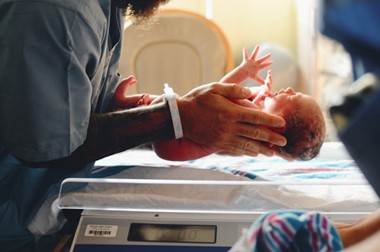
A closer look at birth injuries
Birth injuries refer to any physical harm that happens before, during, or after childbirth. The factors why they occur are diverse, but the most common ones fall under one of the following factors: oxygen deprivation, medical complications, difficult labour process, and medical negligence. The effects on the baby's life can lead to severe consequences, as the baby can have a permanent disability for the rest of their lives.
There are also birth injuries that occur due to medical malpractice, where these injuries could have been totally avoidable. Healthcare professionals always need to offer the best standards and protocols for their patients. If they don’t provide the standard of care, this can lead to medical malpractice.
Parents who were victims of these situations should start pursuing legal justice for what they have gone through. It is best to consider the help of a personal injury lawyer, who will help parents better navigate the legal procedures. These legal specialists are also the best at being able to gain the maximum amount of compensation for parents, while they can spend time with their little one.
What are the most common types of birth injuries?
Cerebral Palsy (CP)
Unfortunately, cerebral palsy is among the most common birth injuries, a neurological condition that affects the child's ability to move, as well as maintain their posture and balance. This condition is mostly caused by damage to the brain, but there are also causes that remain unknown. Unfortunately, there is no cure to solve 100% of this birth injury. Instead, parents can consider therapy and medication for the child, which can improve, to an extent, the quality of life of their little one. There are also cases when the victims of this injury will need lifelong care.
Hypoxic-Ischemic Encephalopathy (HIE)
This condition is the direct result of the newborn not getting enough oxygen or enough blood during delivery and labour. The consequence of not receiving them is the death of a portion of the brain tissue. This will lead to changes in the way the brain functions and delays in the development and growth of the kid.
This injury can or cannot be linked to medical malpractice, as it can also occur because of problems that arise during labour.
Brachial Plexus Injuries (Erb’s Palsy)
Brachial Plexus Injuries, also dubbed Erb’s Palsy, are a nerve condition that leads to injuries in the nerves of the arm and shoulder. This results in a loss of function for the muscle. The causes of this injury are also diverse. One of them can be difficult vaginal childbirth, and the other is medical malpractice, when the medical provider applies excessive force.
Fractures
Bone fractures are also common injuries during childbirth. This is most likely the result of the trauma present during the birth and the force used to get the baby out. Unfortunately, not all fractures are recognized immediately, and this can lead to delayed diagnosis and treatment. They are severe, since they will damage the mobility of the child in the long term, and they can also lead to neurological damage, especially when talking about skull fractures.
Intracranial Hemorrhages
Intracranial hemorrhages, or brain bleeds, can also occur during childbirth, when the blood vessels break, and lead to bleeding. This injury can be either minor or severe. The difference in severity depends to a great extent on how fast the child receives proper treatment.
Cephalohematoma
Usually, a cephalohematoma is a harmless and normal condition, which means that blood collects between the skull and scalp of the newborn. In usual conditions, the blood will naturally disperse and will not harm the infant. But there is also more negative news: the blood vessels can rupture, which can lead to dangerous conditions and complications, among which we can mention anemia, jaundice, skull fractures, and infection.
Facial Nerve Damage
Facial nerve damage is the loss of muscle movement in the newborn’s face. The cause of this is the pressure on the facial nerves, both during and before giving birth. Healthcare professionals will see this injury most when the baby starts crying. If they notice limited movement in the face, or if the eyes don’t close properly, then this is probably the result of facial nerve damage.
The bottom line
There are many ways in which you can describe the process of giving birth: complex, joyful, painful, and also tragic. The act of holding the baby carried for 9 months is a blessing, and most parents describe it as the best feeling in the world. However, there are also parents who experience negative emotions after seeing that their baby has a birth injury. Some of the birth injuries could have been preventable, but some of them are unavoidable.
In this article, we have explored the most common birth injuries, which can affect the baby before, during, or after the childbirth process. All of them are unfortunate events that need different types of treatment. Keep in mind that if you and your child have been the victims of medical negligence, you can also start the journey of taking legal action for the physical and emotional distress you have gone through.