7 Types of Activities That Support Development in Babies and Toddlers
Early childhood is a time of amazing growth and discovery. From their first smile to their first steps and beyond, babies and toddlers learn best through experiences that engage their senses, encourage movement, build social skills, and spark curiosity. Thoughtful activities tailored to each stage help strengthen cognitive abilities, language, motor skills, emotional awareness, and problem-solving.
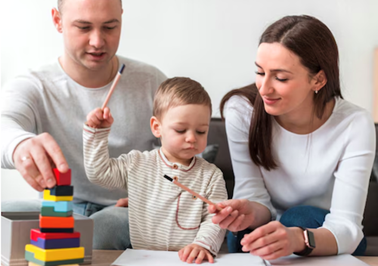
Below are seven activity types with clear examples and simple ways to incorporate them into everyday life so you can support your child’s development at every turn.
1. Sensory Play: Exploring the World Through Touch and Feel
Sensory play encourages children to engage with textures, sounds, and materials that stimulate their senses. These activities help build neural pathways in the brain, boost curiosity, and improve concentration.
Examples of Sensory Activities
* Filling a shallow tray with rice or water and letting them scoop, pour, and splash
* Playing with non-toxic play dough, clay, or cloud dough
* Feeling different fabrics like silk, cotton, wool, and burlap
Developmental Benefits:
* Improves fine motor skills
* Encourages exploration and discovery
* Supports language development as children describe what they feel
Tips for Parents: Keep materials safe and supervised. Start with simple textures and gradually introduce new ones to maintain interest.
2. Movement and Gross Motor Activities
Large-body movement activities are crucial for developing strength, balance, coordination, and confidence. They also support healthy sleep patterns and can help burn energy in positive ways.
Movement Activities to Try
* Encourage tummy time for babies to strengthen neck, back, and shoulder muscles
* Set up a pillow obstacle course for toddlers to crawl and climb
* Play “follow the leader” with walking, hopping, and skipping
Developmental Benefits:
* Enhances balance and coordination
* Builds confidence in physical abilities
* Supports the healthy growth of muscles and bones
Tips for Parents: Create safe, open spaces free of sharp edges. Use soft mats or rugs to cushion falls and encourage exploration.
3. Language and Storytelling Activities
Language development blooms when babies and toddlers are exposed to rich vocabulary and interactive communication. Talking, reading, and singing help them understand sounds, express needs, and build early literacy skills.
Language-Boosting Ideas
* Read aloud daily, even to very young babies
* Describe everyday tasks (“We’re brushing your teeth now”)
* Sing simple songs with repetition and rhythm
Developmental Benefits:
* Expands vocabulary
* Improves listening skills
* Encourages early literacy and communication
Tips for Parents: Follow your child’s interests. If they point at animals in a book, name them and describe their actions to expand context.
4. Creative and Artistic Play
Artistic activities allow children to express emotions, practise decision-making, and explore creativity without pressure. These activities can be as simple as scribbling with crayons or as involved as building a collage.
Creative Play Ideas
* Finger painting with child-safe paints
* Drawing shapes and colors with large crayons
* Using stickers to decorate paper
Developmental Benefits:
* Encourages creativity and imagination
* Strengthens fine motor coordination
* Builds confidence in self-expression
Tips for Parents: Use large, easy-grip tools and non-toxic materials. Let your child take the lead without worrying about “perfect” results.
5. Social and Emotional Interaction
Emotional and social development is shaped by relationships and interactions with caregivers and other children. Activities that foster connection help babies and toddlers feel secure, understand feelings, and learn empathy.
Social Play Ideas
* Peek-a-boo and gentle turn-taking games
* Playing with siblings or other children under supervision
* Mirror play, where toddlers make faces and name emotions
Developmental Benefits:
* Builds trust and attachment
* Supports emotional regulation
* Encourages empathy and cooperation
Tips for Parents: Respond warmly to your child’s cues, validate feelings, and use simple words to help them label emotions.
6. Problem-Solving and Cognitive Games
Cognitive development thrives when children encounter challenges that require thinking, memory, and experimentation. These games help toddlers learn cause and effect, shapes, colors, and object permanence.
Cognitive Activity Ideas
* Stack blocks and let your child knock them down and rebuild
* Simple age-appropriate puzzles
* Hide toys under cups and let your child find them
Developmental Benefits:
* Boosts memory and attention
* Encourages logical thinking
* Improves hand-eye coordination
Tips for Parents: Celebrate effort rather than success. If your child tries and doesn’t complete a puzzle, praise the attempt and gently guide the next move.
7. Everyday Life Activities That Teach Skills
Some of the most powerful developmental moments happen during routine tasks. When everyday moments become interactive and engaging, children learn skills that last a lifetime.
Daily Activities That Help Development
* Letting toddlers help with sorting laundry by color or type
* Encouraging self-feeding at meal times
* Singing while bathing to make routines fun
Developmental Benefits:
* Builds independence
* Enhances routine understanding
* Expands practical life skills
Tips for Parents: Be patient with slower progress. Hand over small tasks and celebrate each accomplishment to build confidence.
Including Pets in Developmental Activities
Many families share space with pets, and gentle inclusion can be meaningful for children’s emotional and social growth. Animals can inspire conversation, care, and responsibility when interactions are supervised and safe.
For example, talking about what your dog “does” during play or feeding times can build vocabulary and empathy. Exploring how pets eat and prepare for meals may also become teaching moments (always supervised, of course).
While the links below are not directly related to child development, they can be part of responsible pet-care discussions and help you explore quality nutrition and pet supplies:
* Learn about different kinds of dog food to understand balanced nutrition for pets.
* See options like open farm dog food that emphasise ingredient transparency and responsible sourcing.
* Check resources like Best Dog Food Stores in Canada for reputable pet nutrition options in your area.
Discussing responsible pet care alongside child development activities can broaden a child’s understanding of nurturing, care, and routine.
How to Make These Activities Part of Everyday Life
Development doesn’t only happen during “structured play.” Incorporating supportive activities into daily routines makes learning feel natural and fun.
Practical Ideas
* Morning Routine: Chat about the day as you get dressed
* Mealtime: Let toddlers help with simple tasks like placing napkins
* Walk Time: Count steps, name objects you see, or describe colors
* Bath Time: Sing songs and talk about body parts
These moments reinforce language, motor skills, and social interaction without pressure.
Final Thoughts
Learning through play, interaction, and everyday experiences gives babies and toddlers a strong foundation for emotional, social, physical, and cognitive development. These seven activity types provide varied ways to support growth, foster confidence, and make learning joyful.